The Environmental Archaeology Program Collections
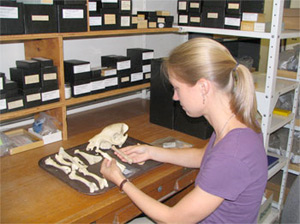 The Environmental Archaeology Program collections include modern comparative and archaeological specimens of zoological, botanical, and pedological materials. Our modern comparative collections forms the foundation of our research as well as for biological and ecological studies. The EA Program’s collections are strongest in zoological comparative and zooarchaeological specimens, while our archaeobotanical/macrobotanical comparative, archaeopedological holdings are growing. Our Environmental Archaeology collections are integrated, combining both comparative and archaeological materials, and are one of only a few such collections in the United States or the world. Our osteological fish comparative collection is one of the largest in North America. The region of our greatest strength is in southeastern North America and the Caribbean. We also have excellent comparative collections from northwestern South America and Mesoamerica and these have shown considerable growth.
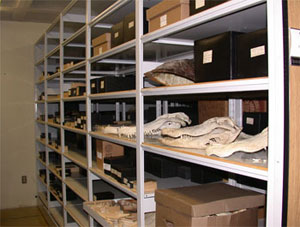 Our modern zoological comparative collections represent over 12,000 vertebrate and invertebrate skeletal specimens. For most of these, our database includes basic weights and measures of the living organism and its skeletal parts. These specimens were collected with the ultimate goal of complete coverage of the taxonomic diversity of our region of study, and include multiple specimens of some taxa varying by age, sex, and individual morphology. Our botanical comparative collection is comprised of macrobotanical specimens including 300+ seeds (carbonized and unmodified) and 50+ woods of tropical and temperate species. The soil collection includes approximately 1,000 catalogued control samples. Every effort is made to include detailed collection data with all modern comparative specimens. Such data include, for example, information on locality, habitat, and season of collection. These data are accumulated for incorporation into historical databases on climate and environmental change. Additionally, detailed analytical data on specimens (including morphometrics, chemical analyses, etc.) are also collected in many cases.
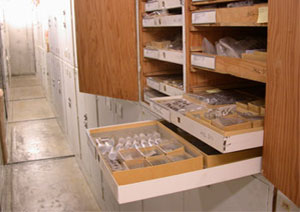 The archaeological materials curated by the EA Program includes over three million catalogued specimens. Accessioned archaeological collections have extensive associated cultural documentation including site reports, analyses, and selected background literature. The EA Program also archives laboratory reference materials and the Elizabeth Wing Library and reprint collection.