From September 26 to October 5, 2025, we conducted a field survey across western Texas and southeastern New Mexico, targeting Giant Skippers (Agathymus Freeman spp.; Hesperiidae: Megathymini) and the elusive Stallingsia maculosus (Freeman) (Hesperiidae: Megathymini). Our focus was on key habitats ranging from the Lower Rio Grande Valley to Big Bend area in TX and Queen in NM. The trip aimed to document species occurrences, collect ecological data, and photograph adults and larval host plants.
Highlights:
- Stallingsia maculosus (Freeman): This species has not been observed in the U.S. since 1980. We surveyed historical habitats near Roma, Starr Co., TX, including patches of 15 healthy Manfreda plants, and visited the National Butterfly Center, which is actively restoring host plants. While no adults were seen, GPS-tagged habitat and host plant data were collected, providing baseline information for future searches.
- Agathymus estelleae (Stallings & Turner): Potentially common in Amistad National Recreation Area in Del Rio, TX. Although larval tents were widespread on Agave lechuguilla, with approximately 100 infested plants in a single patch, without seeing the adults, they are difficult to distinguish from the sympatric mariae rindgei.
- Agathymus chisosensis (Freeman): Observed in the Big Bend area, near Chisos Basin foothills in Brewster Co., TX. At one location, we observed more than 10 pupal tents on Agave havardiana within 30 minutes during a casual walk. We also documented Agave clusters across 1,200–1,800 m elevation gradients. This species is locally common and appears to be doing well in Chisos Basin.
- Agathymus mariae (Barnes & Benjamin) & neumoegeni (Edwards): Found near Queen, Eddy Co., NM along Queen Highway. Adults were observed—three A. mariae and eight A. neumoegeni (Fig. 1)—near Agave lechuguilla and A. parryi (Fig. 2). GPS points, habitat photos, and larval activity (pupal trapdoors, frass) were recorded.
Ecological Insights:
- Over 50 Agave and Manfreda stands were surveyed, noting habitat degradation from grazing, drought, urbanization, and invasive species.
- Larval boring and frass confirmed active populations even where adults were absent.
- Microclimate data (temperature, humidity) were recorded for key sites, to be used in future ecological and phenological analyses.
Specimens & Imaging:
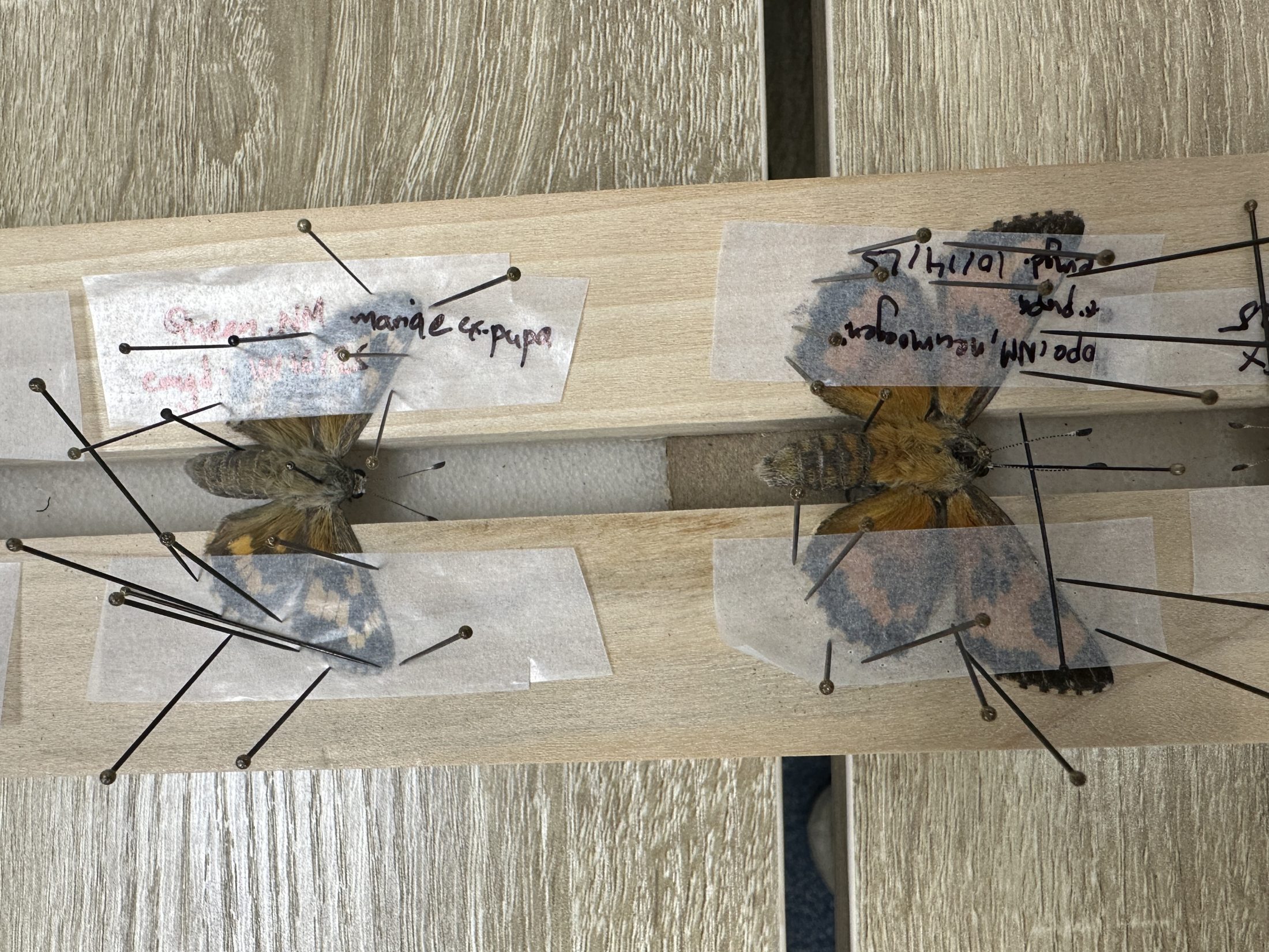
- Collected voucher specimens (Fig. 3) were prepared for genitalic and morphological study.
- Over 700 high-resolution images were captured, documenting adult behavior, larval stages, host plants, and habitats.
- Infested Agave leaves and pupal structures were prepared for museum displays.
Impact & Future Work:
- This survey fills important gaps in the distribution and ecological knowledge of Agathymus in southwestern North America.
- GPS-tagged occurrences will be integrated into the McGuire Center geodatabase and shared with biodiversity repositories.
- Data and specimens will support ongoing taxonomic revisions, conservation recommendations, and public outreach, including future publications and museum exhibits.
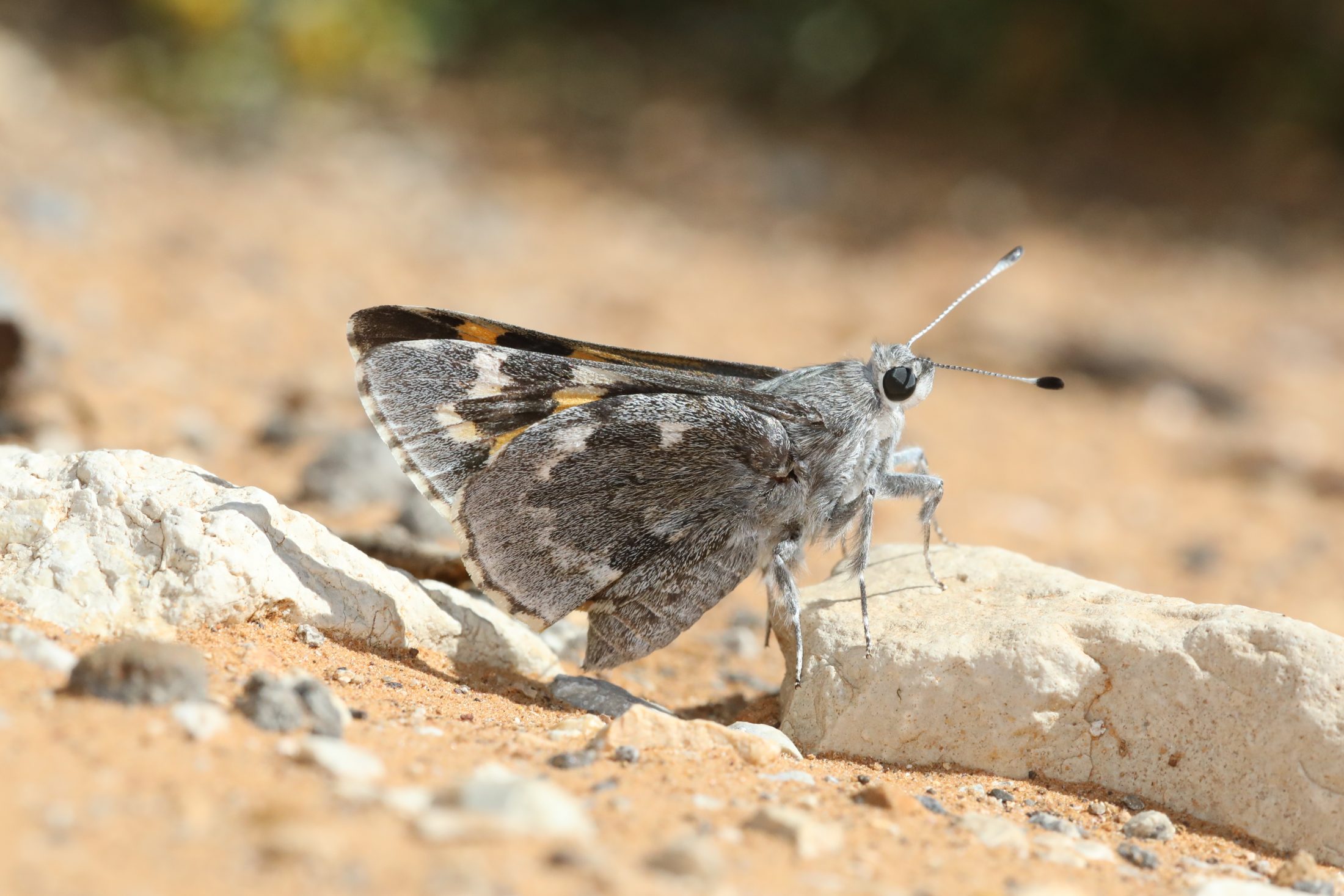
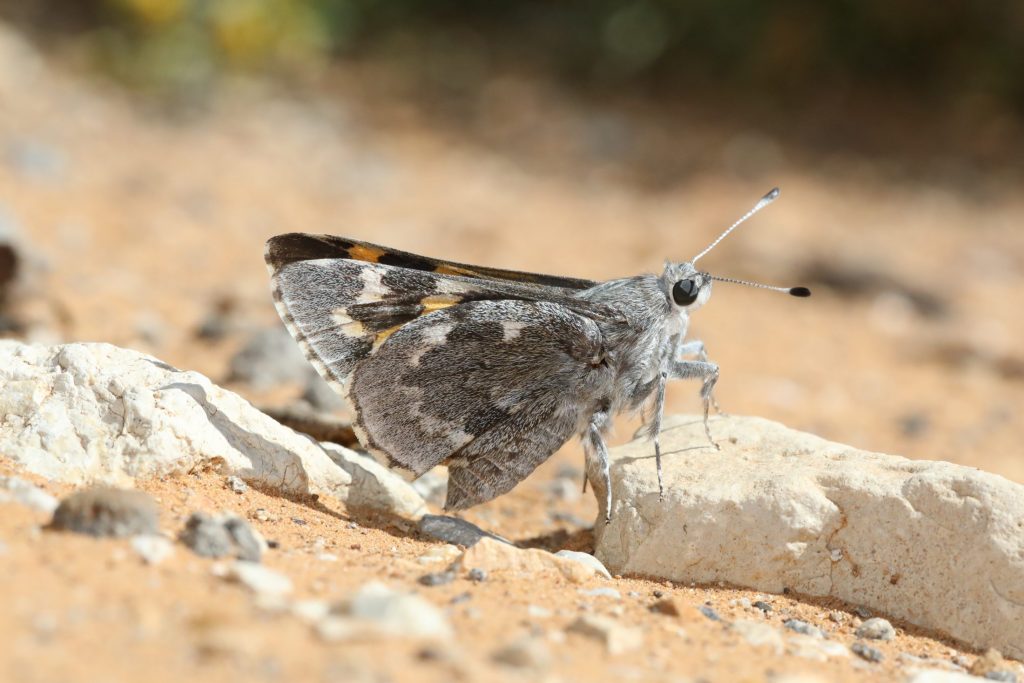 Fig. 1. Agathymus neumoegeni nr. Queen, Eddy Co., NM.
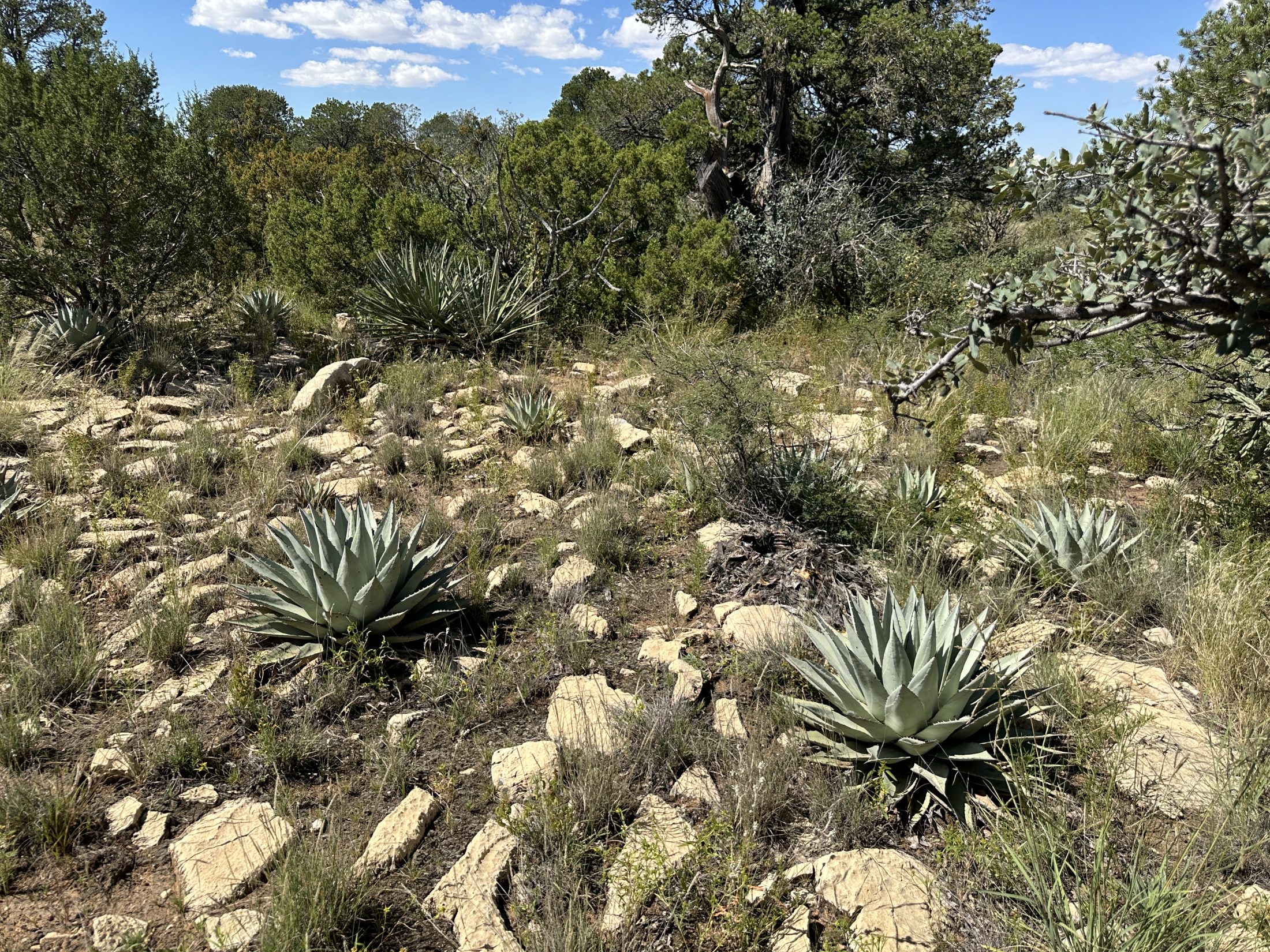
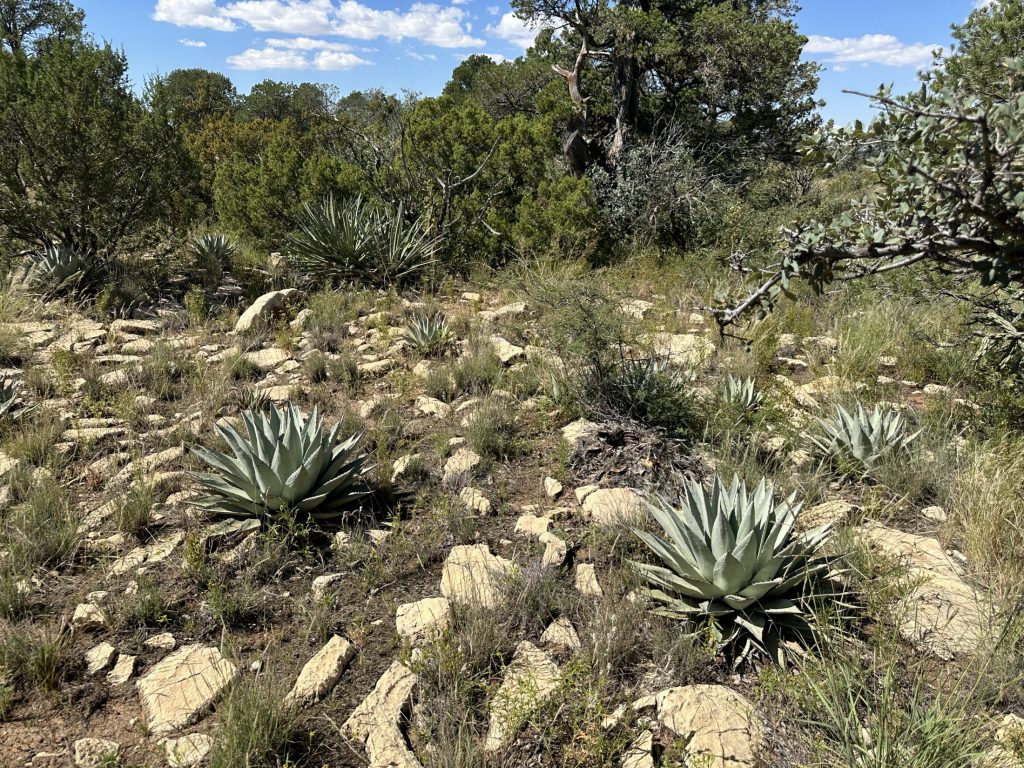 Fig. 2. Typical habitat for Agathymus neumoegeni nr. Queen, Eddy Co., NM.
 Fig 3. Spread-out voucher specimens of Agathymus from New Mexico.
Sajan K C is a graduate student pursuing a Ph.D. through the College of IFAS, Department of Entomology and Nematology. Sajan K C is advised by Dr. Vaughn Shirey, Assistant Curator of Lepidoptera in the FLMNH McGuire Center, and Dr. Keith Willmott, Curator of Lepidoptera in the FLMNH McGuire Center.
Anisha Sapkota is a graduate student pursuing a Ph.D. through the College of IFAS, Department of School of Natural Resources and Environment. Anisha Sapkota is advised by Dr. Vaughn Shirey, Assistant Curator of Lepidoptera in the FLMNH McGuire Center.
The 2025 Fall Student Travel Awards are supported by the FLMNH Department of Natural History, including funds from the Louis C. and Jane Gapenski Endowed Fellowship and the Shirey Lab. If you would like to help support this fund for future student awards, please go to:
Louis C. and Jane Gapenski Endowed Fellowship Shirey Lab