Location of Research: Ecuador. Provinces of Pichincha, Imbabura, and Napo.
Dates of Research: August 3-16, 2025
Objectives
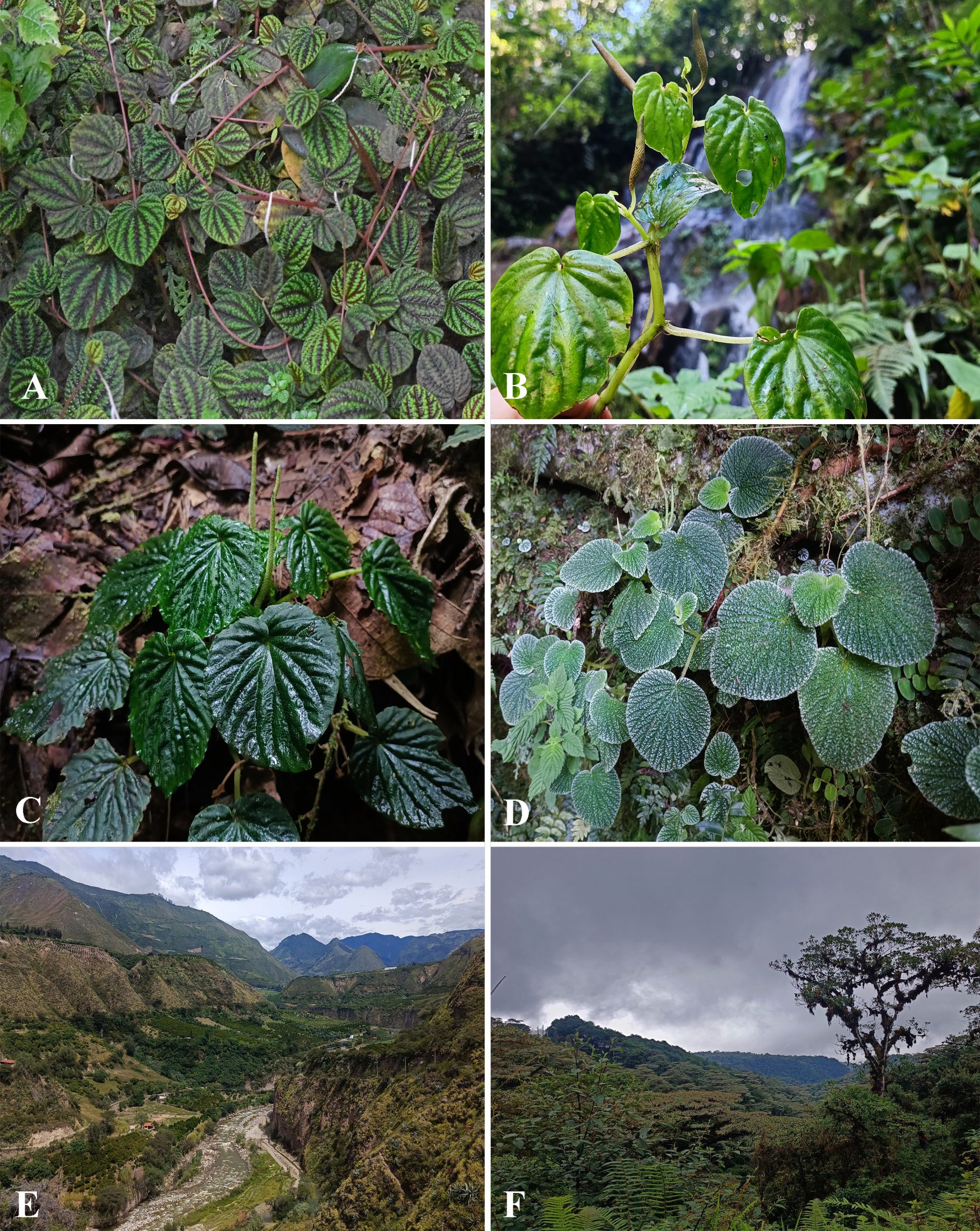
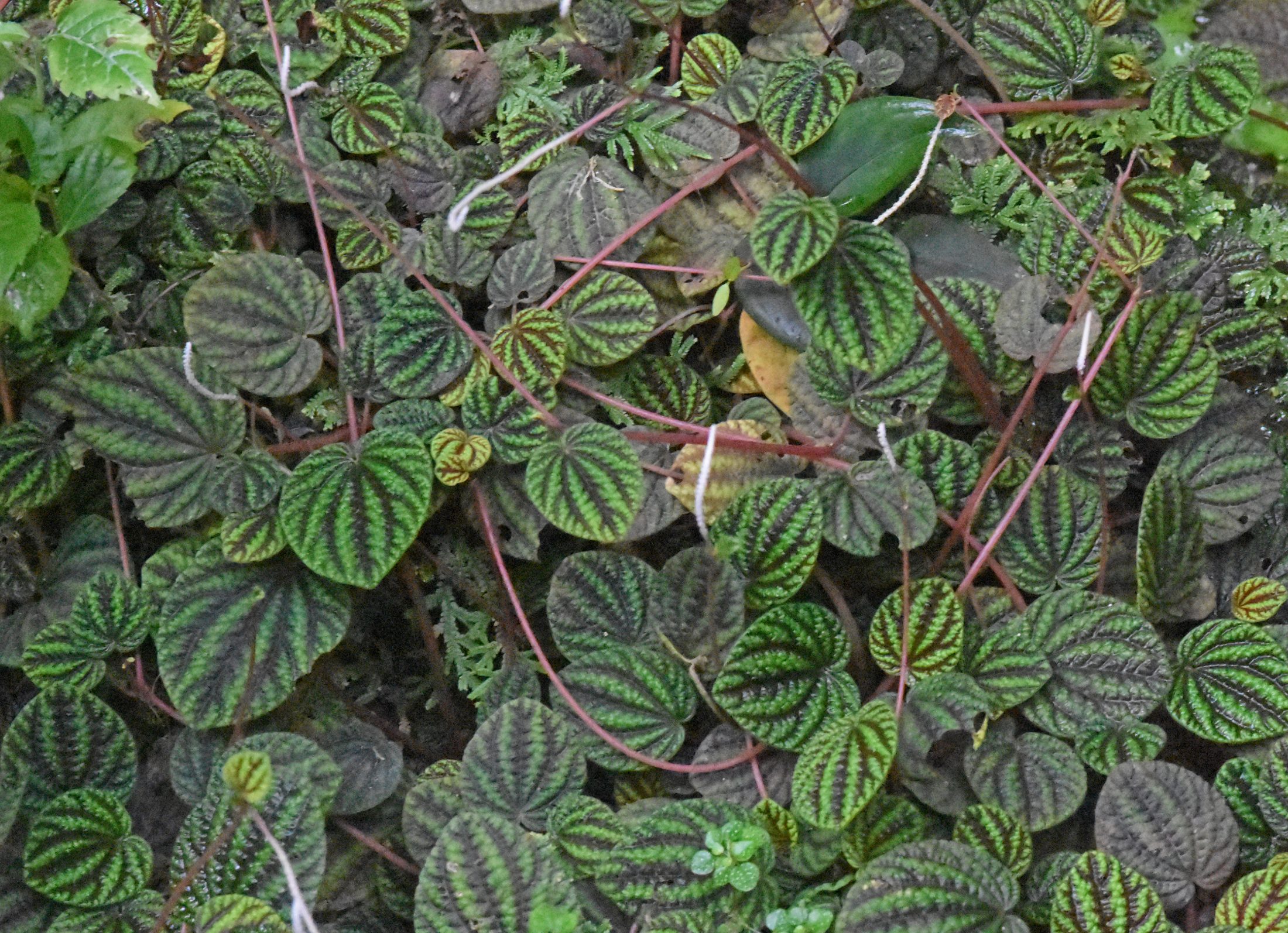
Ecuador is one of the mejor center of diversity of Peperomia in the Neotropics. The field trip combined herbarium research and fieldwork to document the diversity of Peperomia in Ecuador, with emphasis on the terrestrial subgenus Multipalmata. Goals included: 1) documenting species richness across different ecosystems, 2) studying historical collections at QCNE and QCA herbarium in Quito, and 3) expanding the taxonomic and phylogenetic sampling for my doctoral research.
Methods
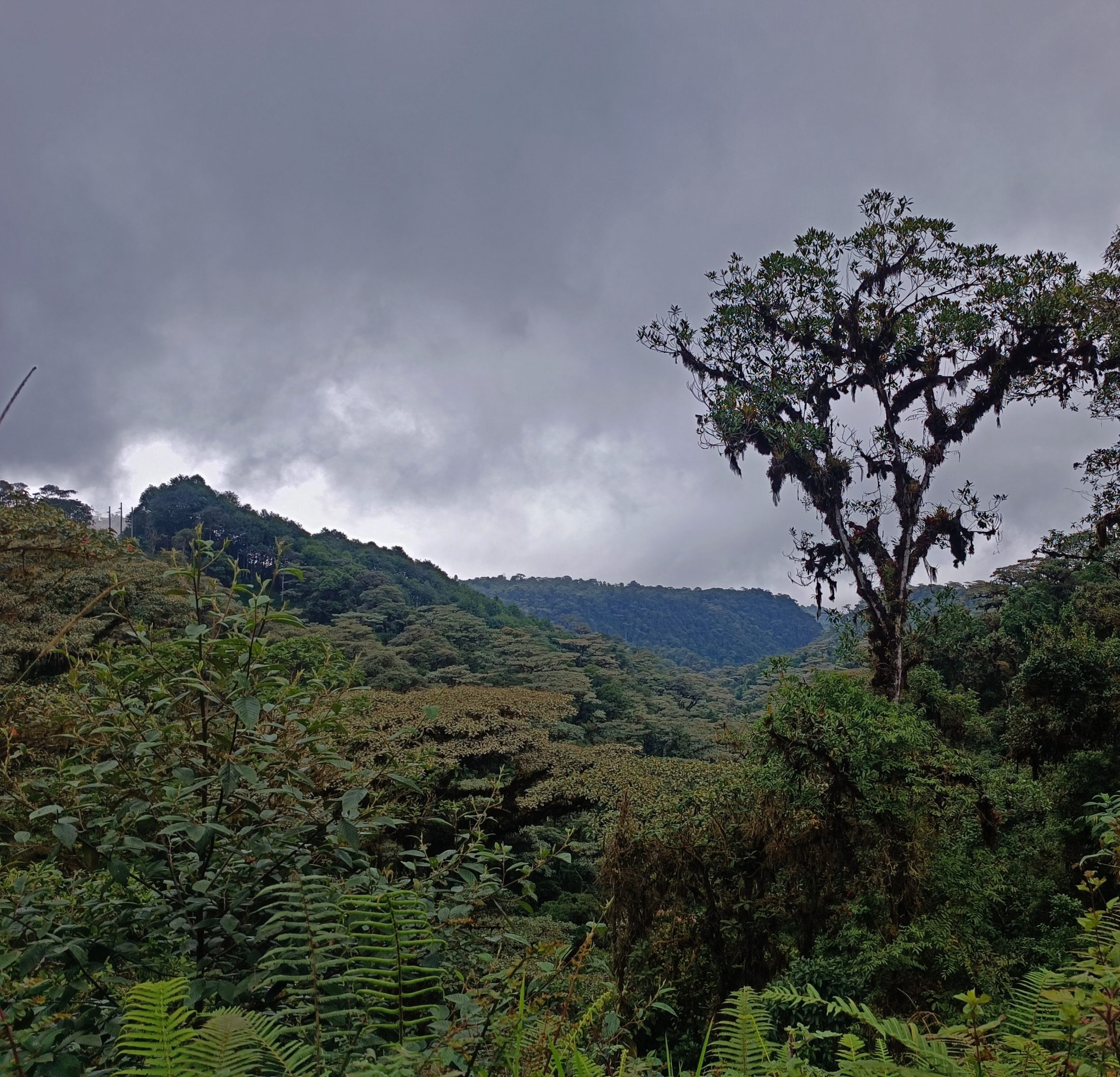
Four days were dedicated to herbarium work at QCNE and QCA, and nine days to fieldwork across three provinces. Collections covered the Chocó biogeographic region in the Pacific, inter-Andean valleys of Imbabura, and the elevational gradient of Napo from Páramos to Amazonian lowlands. Species were deposited at Ecuadorian herbaria, with duplicates to be sent to FLAS. All activities were conducted under permits granted by the Ministerio del Ambiente, Agua y Transición Ecológica de Ecuador (Resolution No. MATTE-DNB-CM-2023-0292)
Results
– 118 plant specimens collected, including 103 Peperomia, meaning 95.100 species.
– 12 new species to science discovered, mostly in subgenus Multipalmata. Some of
them never collected before.
– 20 species of the terrestrial lineage Multipalmata documented, strengthening
taxonomic sampling.
– My collections represent over 40% of the known Peperomia diversity of Ecuador.
– Herbarium research validated species identification and complemented new
collections. I identified over 1200 herbarium specimens from QCA and QCNE that
were misidentified or lacked identification.
– 88 species live plants samples were delivered to the living collection of Quito
Botanical Garden,
Conclusion
This expedition was among the most successful to date, significantly advising the documentation of Ecuadorian Peperomia. The materials gathered will contribute to species descriptions, phylogenetic analyses, and collaborative efforts with Ecuadorian institutions for the conservation of this hyperdiverse genus.
Jose Esteban Jimenez Vargas is a graduate student pursuing their Ph.D. in through the College of Liberal Arts and Sciences, Department of Biology, advised by Dr. Lucas Majure, Assistant Curator at the Florida Museum of Natural History and Keeper at the University of Florida Herbarium.
The 2025 Summer Student Travel Awards are supported by the FLMNH Department of Natural History, including funds from the Louis C. and Jane Gapenski Endowed Fellowship. If you would like to help support this fund for future student awards, please go to:
Louis C. and Jane Gapenski Endowed Fellowship