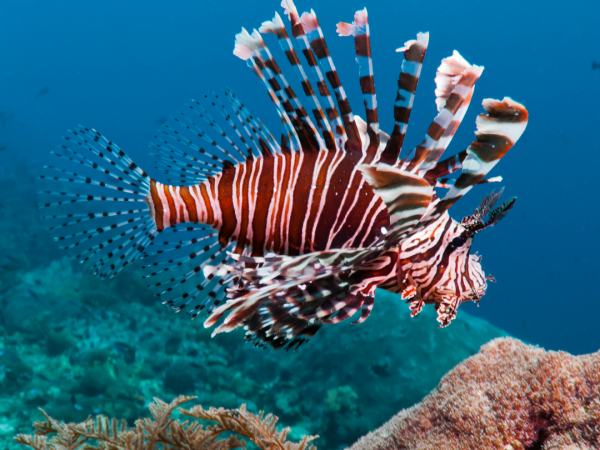
Tell Me About: Invasive Lionfish
In the 1980s, the first invasive lionfish was spotted near Dania Beach, Florida. Since then, the species has spread up the east coast of the U.S. and throughout the Gulf of Mexico. Read to learn about the invasive species’ presence in Florida and the impact it has on our ecosystem.
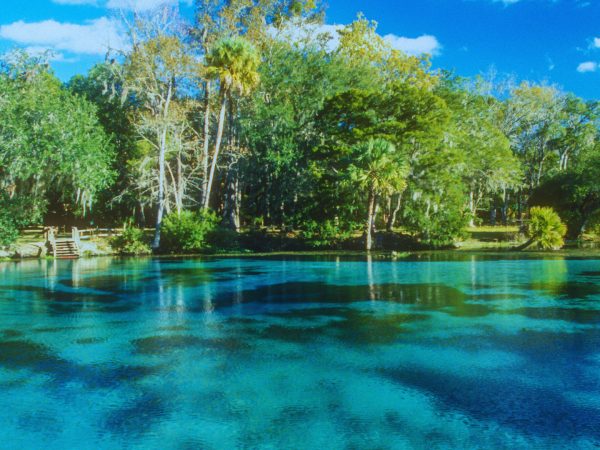
10 Reasons to be Thankful in Florida
Our state is a unique paradise worth preserving.

Action of the Week: Make Laundry Day More Sustainable
Many laundry supplies can have a serious impact on the environment. But don’t fret; there are ways to make laundry day a more sustainable chore.
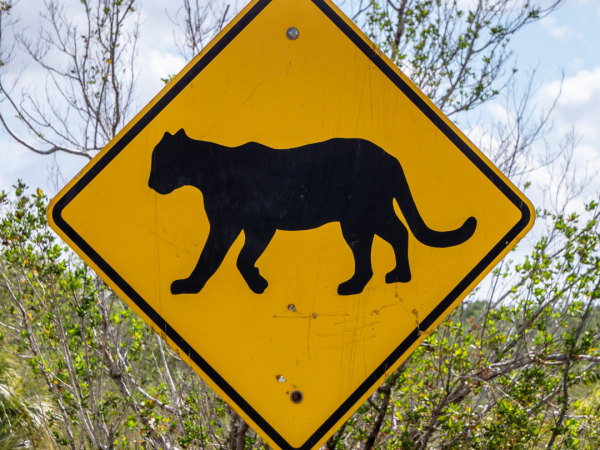
Action of the Week: Go Slow This Holiday Season to Help Protect Florida Panthers
On Nov. 12, 2023, the FWC announced two panther deaths in one day, amounting to five within one week. The cause of death? Vehicle strikes.

Hydrogen by the Hour: Navigating the Nation’s Green Hydrogen Frontier
“Green hydrogen” is a promising buzzword you may have heard on the news, but what is it, and what is it used for?

Florida’s Environment: 11 Stories to Watch for November
To pair with the rest of our educational content in each Earth to Florida newsletter, we bring you monthly updates … Continue
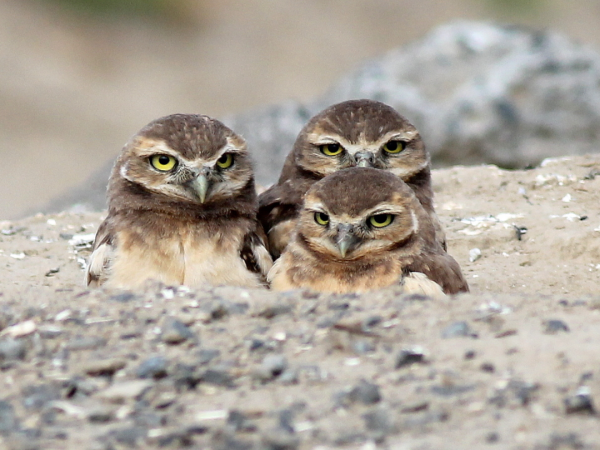
Tell Me About: Burrowing Owls
Who’s that? It’s the Florida burrowing owl!
The burrowing owl, one of the smallest in Florida, lives in open, sandy fields throughout the peninsular region of the state. It stands at around 9 inches tall, has sandy brown feathers, and bright yellow eyes. The burrowing owl is designated as a threatened species by the state of Florida, so there are certain rules to know if you see one in the wild. Be sure not to get too close and risk upsetting the owl or its burrow; if the owl sees you and bobs its head, makes noises, or flies around you, then you’re probably too close!
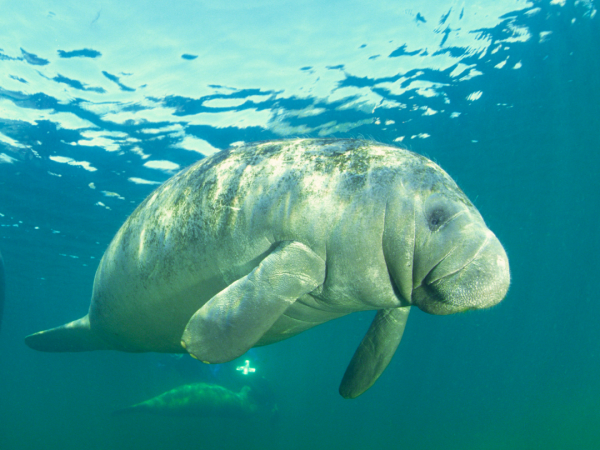
Action of the Week: Celebrate Manatee Awareness Month
Manatees in Florida are not only a huge draw for ecotourism, but also are important for maintaining the health of the ecosystem.

Tell Me About: Miami Cave Crayfish in Florida
The U.S. Fish and Wildlife Service recently proposed to list the Miami cave crayfish as a threatened species under the Endangered Species Act.
Florida’s Environment: 11 Stories to Watch for October
To pair with the rest of our educational content in each Earth to Florida newsletter, we bring you monthly updates … Continue