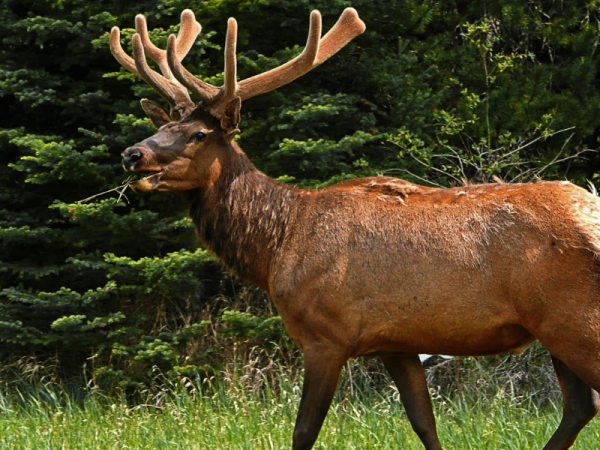
How Can We Monitor Mass Migrations Globally and Conserve Biodiversity into the Future?
Climate change is causing mass migrations across the globe. These migrations will impact public health, global food supply and human well being.
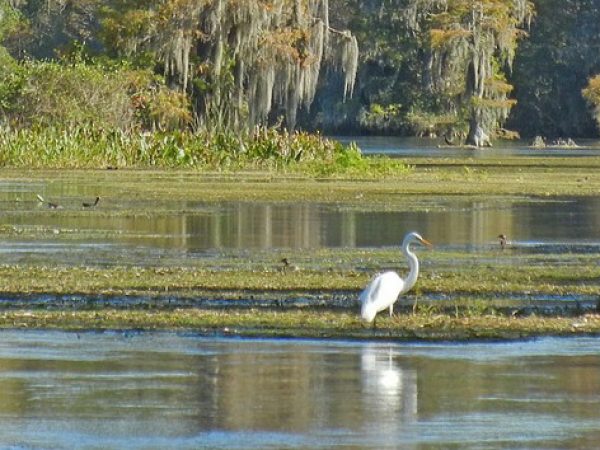
Land is a Critical Resource, IPCC report says
Keeping global warming to well below 2ºC can be achieved only by reducing greenhouse gas emissions from all sectors including land and food.
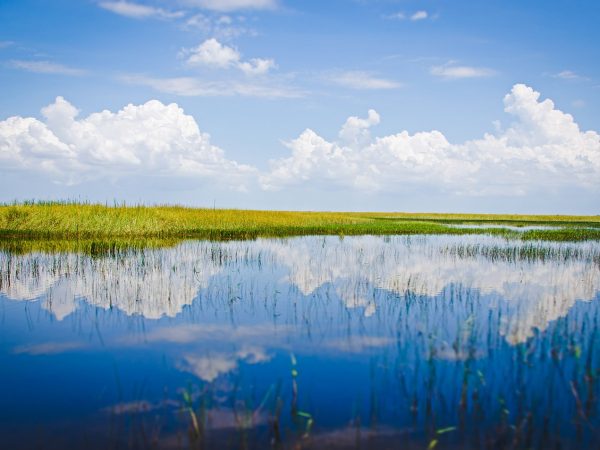
Climate Change Alters What’s Possible in Restoring Florida’s Everglades
Some progress has been made toward restoration, but evidence of unanticipated effects from climate change is forcing experts to reassess what is possible.
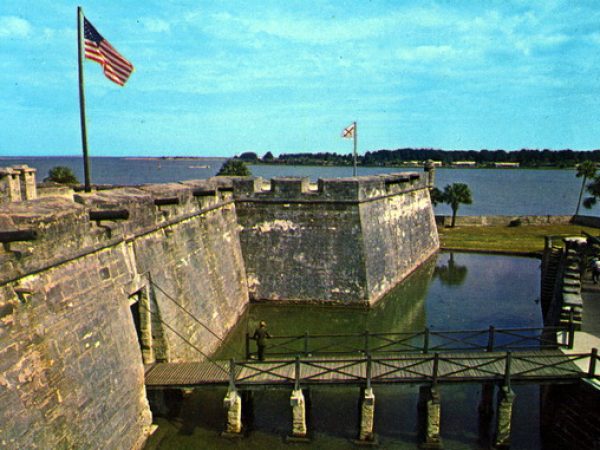
Change is Hard: Preserving Florida’s Past in an Uncertain Future
How can we protect cultural heritage sites, historic buildings, archaeological sites and longstanding traditions from climate change?
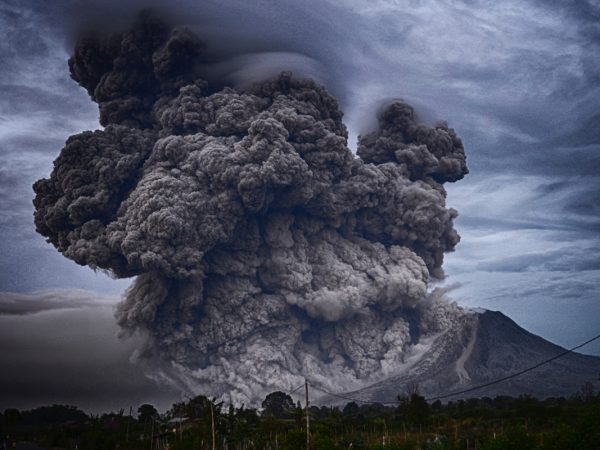
Climate Change is Almost Too Big a Problem to Study. The solution? Volcanoes.
Volcanoes blanketed by tropical rainforests are a natural laboratory to study climate change.
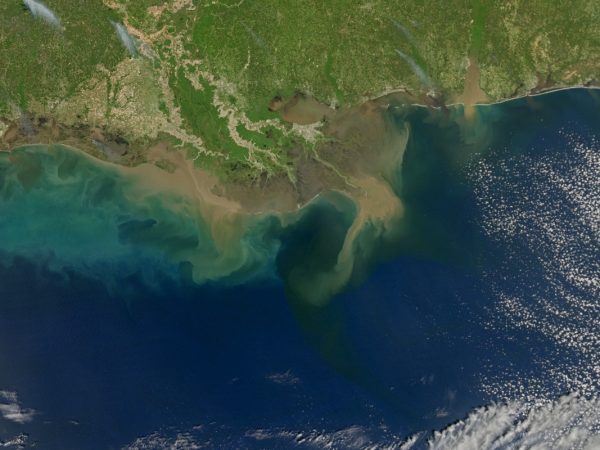
By 2100, the Ocean will Be a Different Color
Incorporating the colored dissolved organic matter responsible for the color change improves the accuracy of climate models.
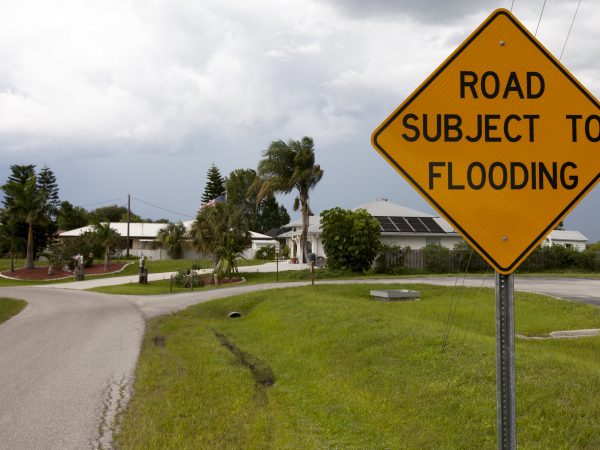
Sea Level Rise Increases Frequency of High Tide Flooding
Today, routine high tides can result in a phenomenon known as nuisance flooding. And, it’s expensive.
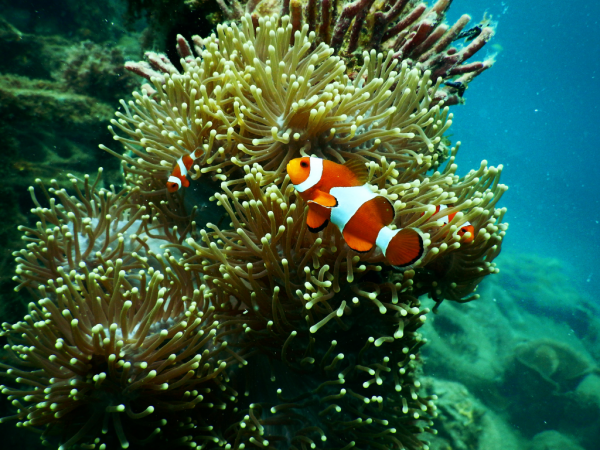
Coral Reefs Are in Trouble: Here’s How You Can Help
Read on to learn more about the benefits of coral reefs, major threats, and practical steps you can take to save our corals.
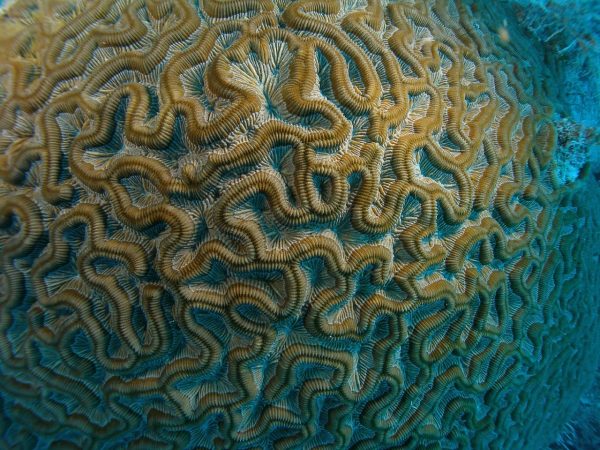
Australian Scientists Turn to Florida for Guidance on Coral Reef Restoration
Scientists from Florida and Australia are teaming up and sharing data to help save corals from extinction.
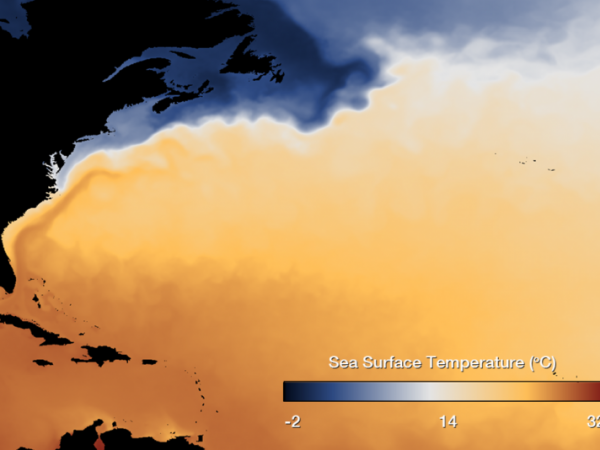
Climate Change is Weakening The Ocean’s Currents. Here’s Why That Matters.
Weakening ocean currents can increase ocean acidification and make it difficult for marine life to survive.