Rapid Infiltration Basin’s (RIBs) are a method of replenishing our groundwater resources.
What is it?
Rapid Infiltration Basins (RIBs) are one of the many methods of groundwater recharge that we use in Florida. As we use water each day, that wastewater goes to a treatment facility for processing. After treatment, that water must be ‘recharged’ back into our groundwater supply. RIBs are essentially sinkholes built upon a layer of sand. Underneath this lays a semi-permeable clay layer called a Hawthorne. The Hawthorne layer acts as a barrier that traps water in a shallow underground layer. Over time, that water seeps through, until it reaches deeper underground water resources. During this process, the water will undergo filtration as it passes through each layer into the groundwater until it eventually reaches the Floridan Aquifer. 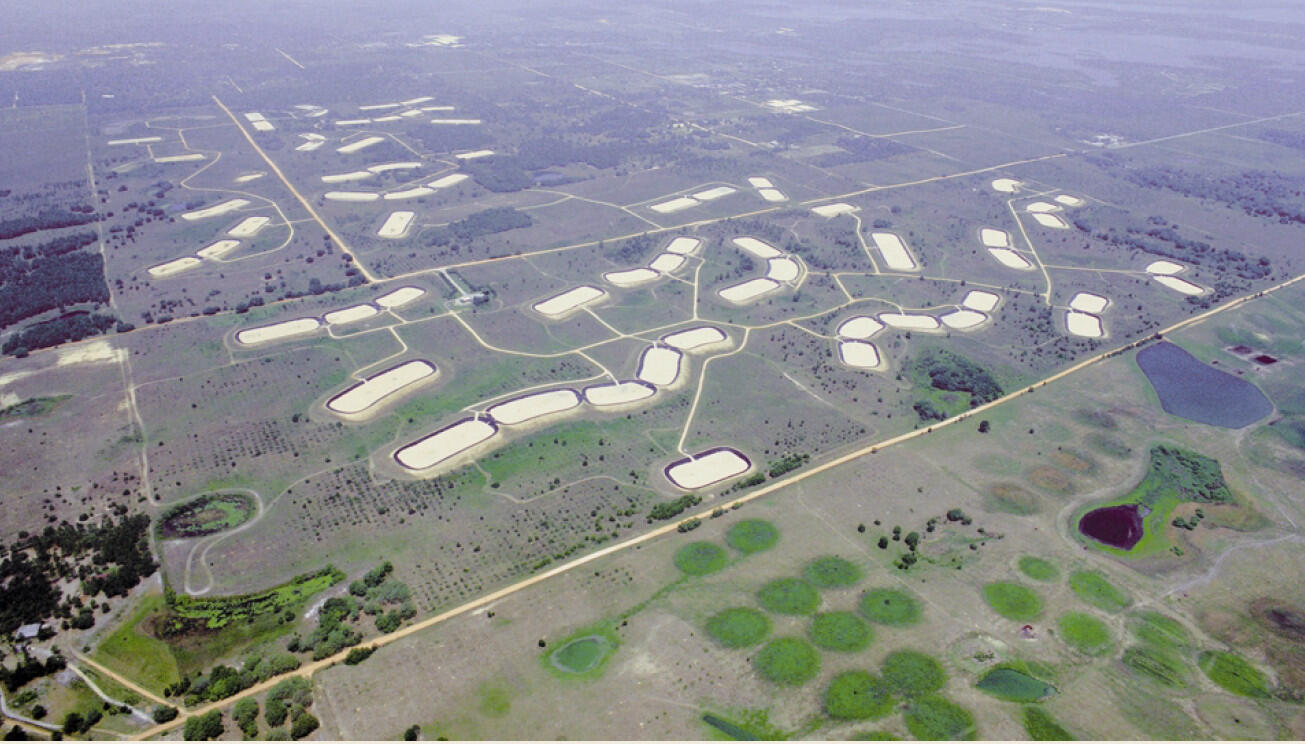
Why it matters
The Floridan Aquifer provides approximately 90% of Florida’s drinking water. In order to replenish this critical resource, wastewater treatment facilities will process and clean water that we use each day, allowing us to pump it back into the ground system.
However, recent studies have shown that RIBs are ineffective at controlling the amount of nitrogen in the water. While necessary for successful plant growth, too much nitrogen can lead to significant consequences such as harmful algal blooms and contaminated drinking water.
Some researchers have identified new designs for RIBs, which effectively control the levels of nitrogen content in the water as it proceeds through the soil into the aquifer. Innovative technologies like this enable us to continue using this process and sustainably use our water sources.
What you can do
Every time you flush the toilet or wash your hands, you become part of this important system of water management! You can get involved by learning about your local wastewater management plant and practicing some wastewater-safe behaviors!
Try to limit your water use by taking shorter showers and turning off the sink while brushing your teeth. Additionally, help wastewater managers keep our water clean by disposing of feminine products or “flushable” wipes in the appropriate bin. Although marketed as ‘flushable’, these wipes can get caught in the machinery of wastewater treatment plants, causing interruptions in the process. Even proper fertilizer application can help to limit the runoff of excess nitrogen into our sewage system.
You can contact your local district office to ask questions about permitting projects or call 850-245-8589 with general questions about wastewater management.
Information from Water Conserv II Distribution Center, Jessica Cormier University of Central Florida, UF/IFAS, FDEP. Image from USGS