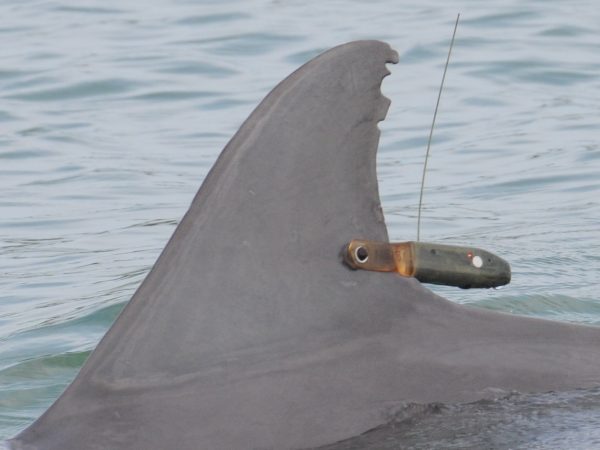
Where They Go: How Animal Tracking Can Help Save Florida’s Marine Life
Radio, GPS and satellite technology have made it possible for scientists to monitor a variety of marine species even more closely.
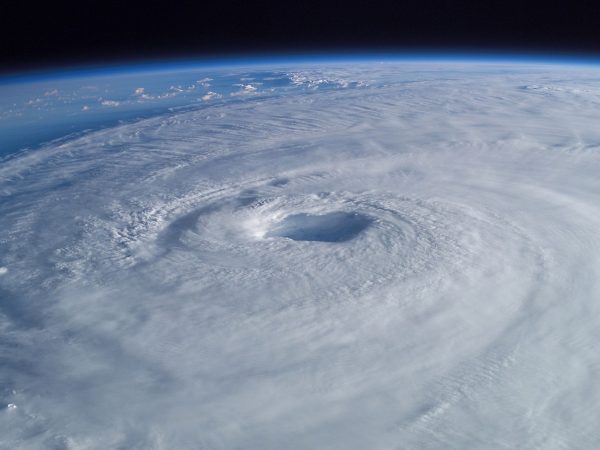
Action of the Month: Prepping for a Hurricane
Preparing for dangerous weather is an important part of building community resilience and promoting a speedy recovery once a storm has passed.
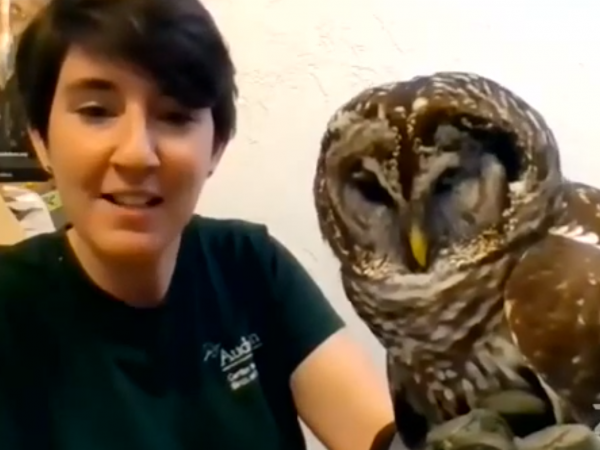
Virtual Friday Q&A Brings Science Into Homes of K-12 Students
The Friday Q&A series provides K-12 students the opportunity to learn from a diverse field of scientists from home.

Action of the Month: Catch up with Climate Change in Florida
Follow along with TESI coordinator Sadie Mills as she debriefs us on recent warming trends and gives tips on how we can keep tabs on climate change in Florida.
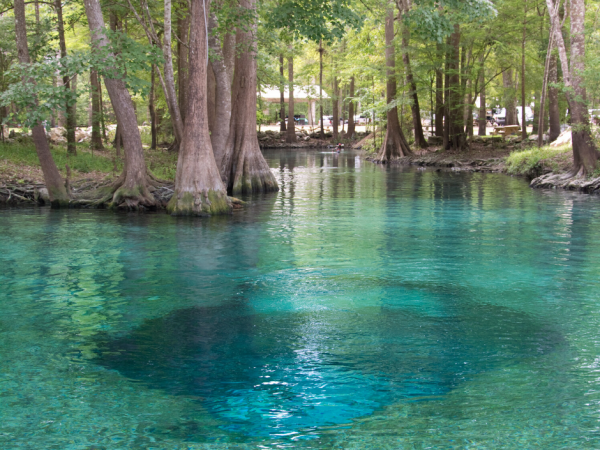
U.S. Supreme Court Sides with Environmental Groups in Clean Water Act Decision
Meanwhile, two first-of-their-kind studies aim to provide much-needed baseline data for management and policy decisions affecting the Gulf of Mexico and Florida’s freshwater springs.
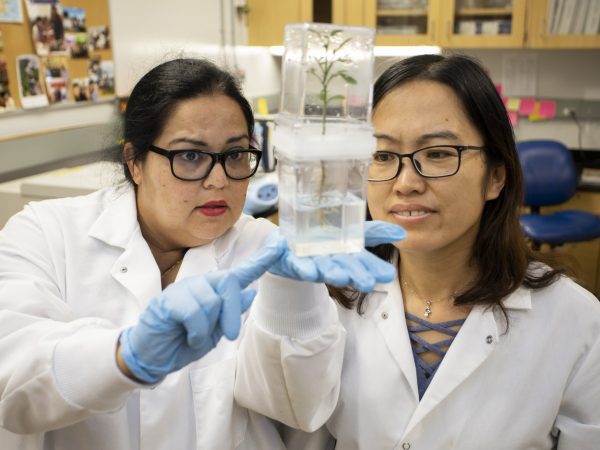
In the Face of a Shuttered World, Some Labs and Conservation Efforts Persevere
Despite COVID-19 closures, land conservation plans move forward and some animal and plant research has remained operational.
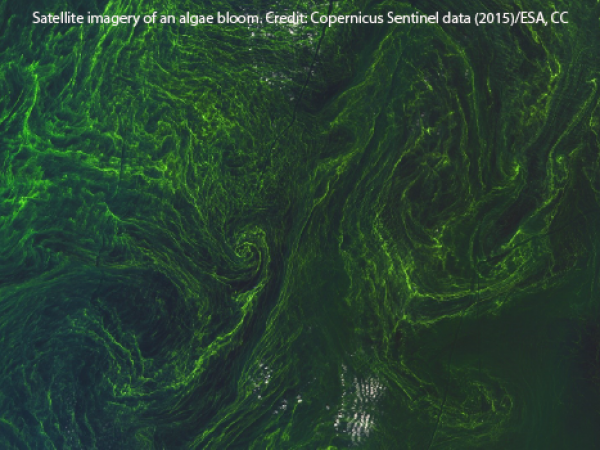
Keeping Our Waters Safe: Researchers Test New Water Quality Technology
Drones, satellites and unmanned cameras collect what scientists call high resolution data.
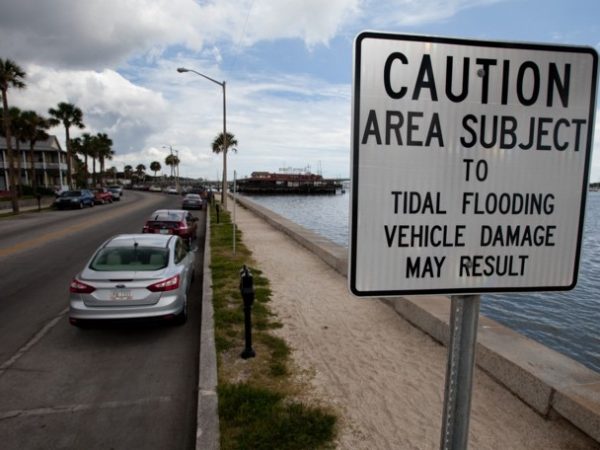
Not Just a Visitor: How Florida Coasts are Preparing for Climate Change
St. Augustine officials are working to protect the oldest part of the nation’s oldest city.
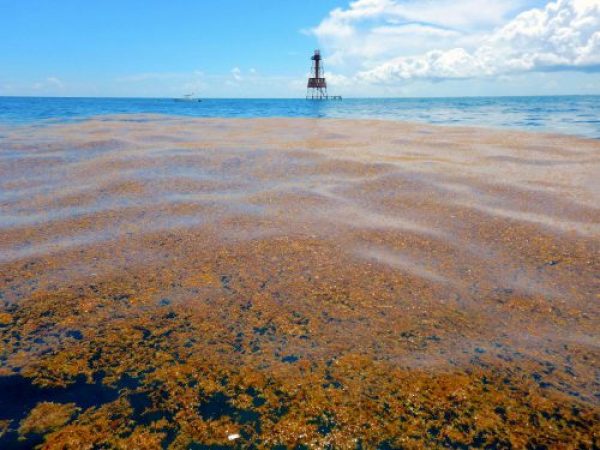
Summer is Coming and So is Sargassum
Classified as an essential habitat, sargassum is now becoming a burden to some parts of the ocean and to coastal economies.
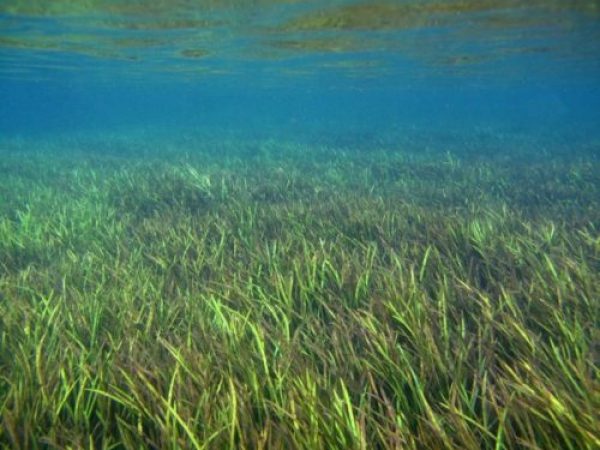
The Nitrate Debate: Reducing Nitrogen Pollution Alone Won’t Stop Algae in Florida Springs, Researchers Say
Researchers at the 2020 Water Institute Symposium said the reality in the state’s springs is much more complicated.