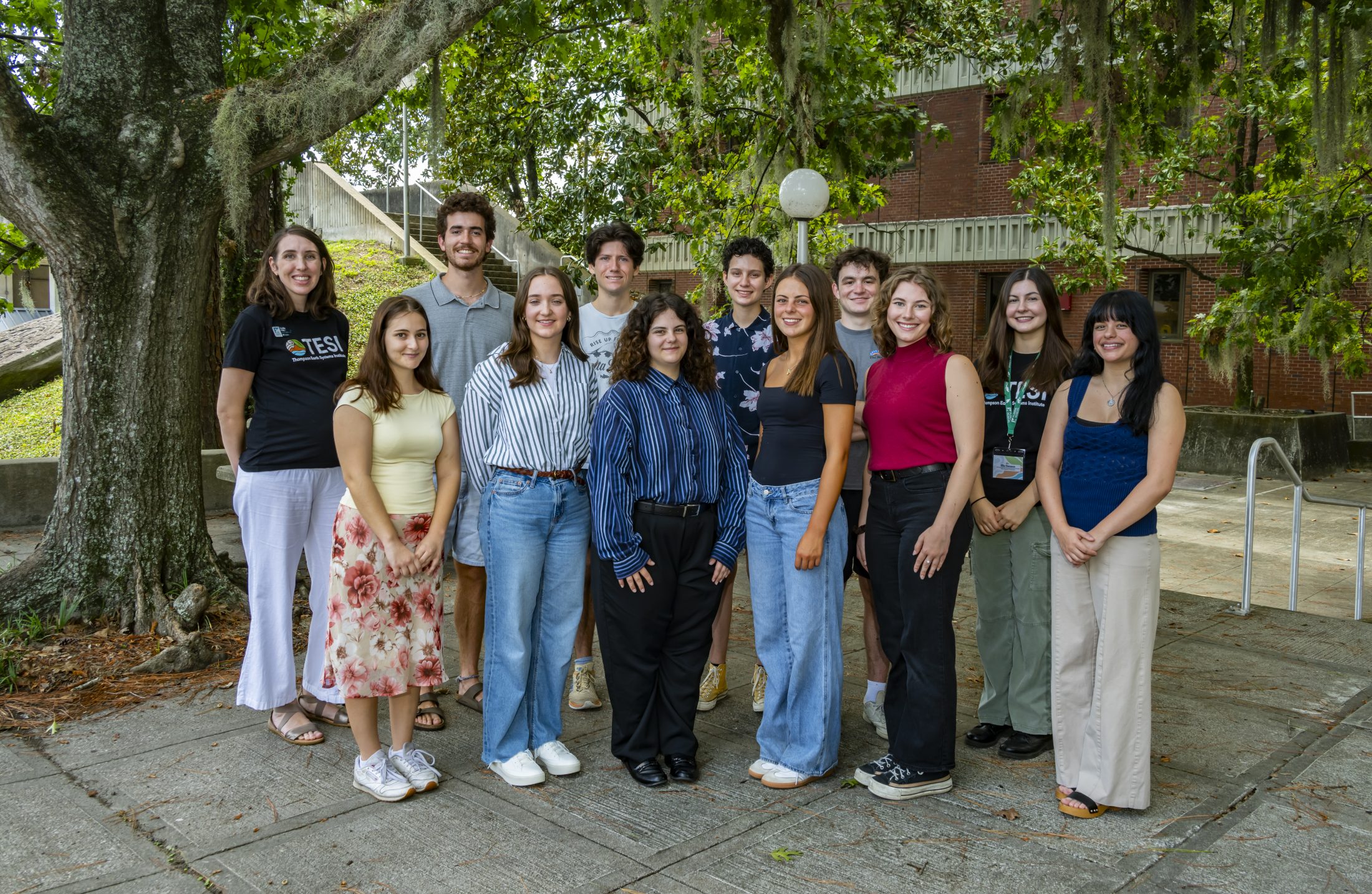
On August 18-20th, 2025, the new TESI Environmental Leaders Fellows started the semester with an orientation at Dickinson Hall, including a tour of the mammals collections, and field days exploring Ordway Swisher Biological Station with Dr. Matt Hallett and the path of Florida water from aquifer to treatment plants with Matthew Stanley.
Continue reading to learn about what our 2025 cohort experienced and learned during this unique opportunity.
Monday, August 18
Location: Dickinson Hall
Activities:
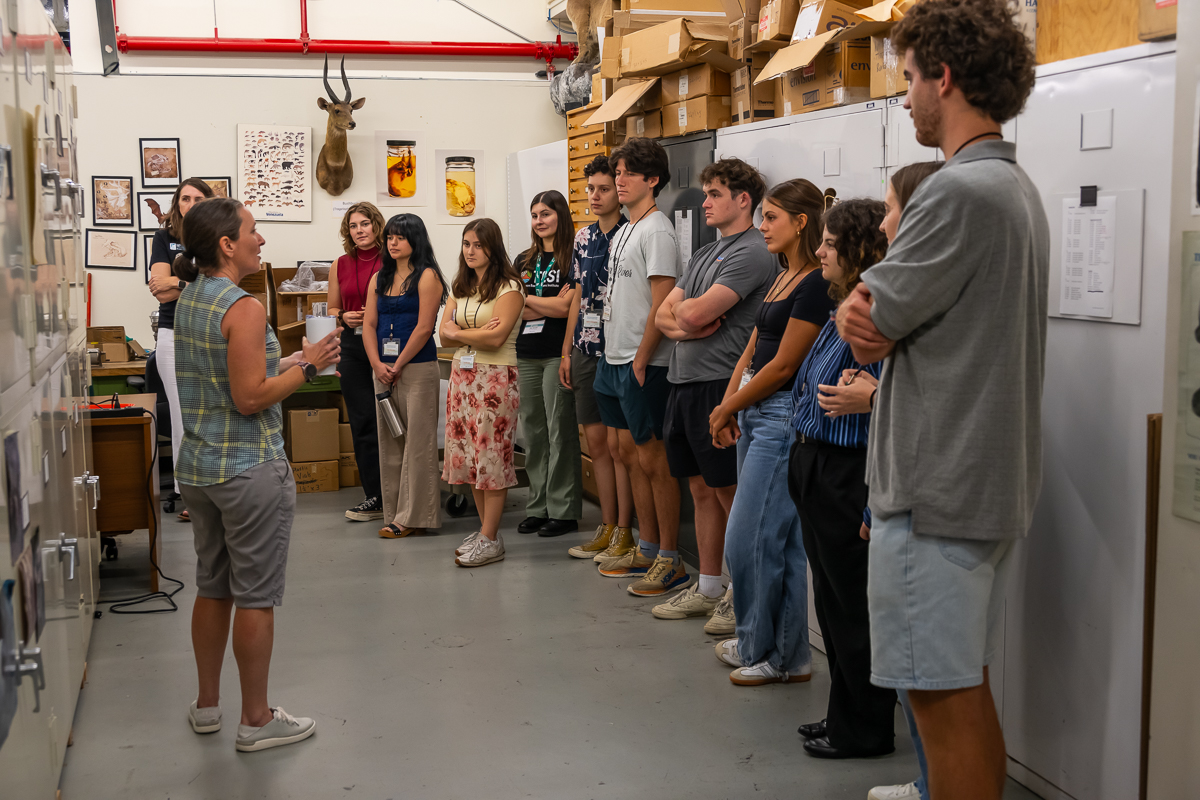
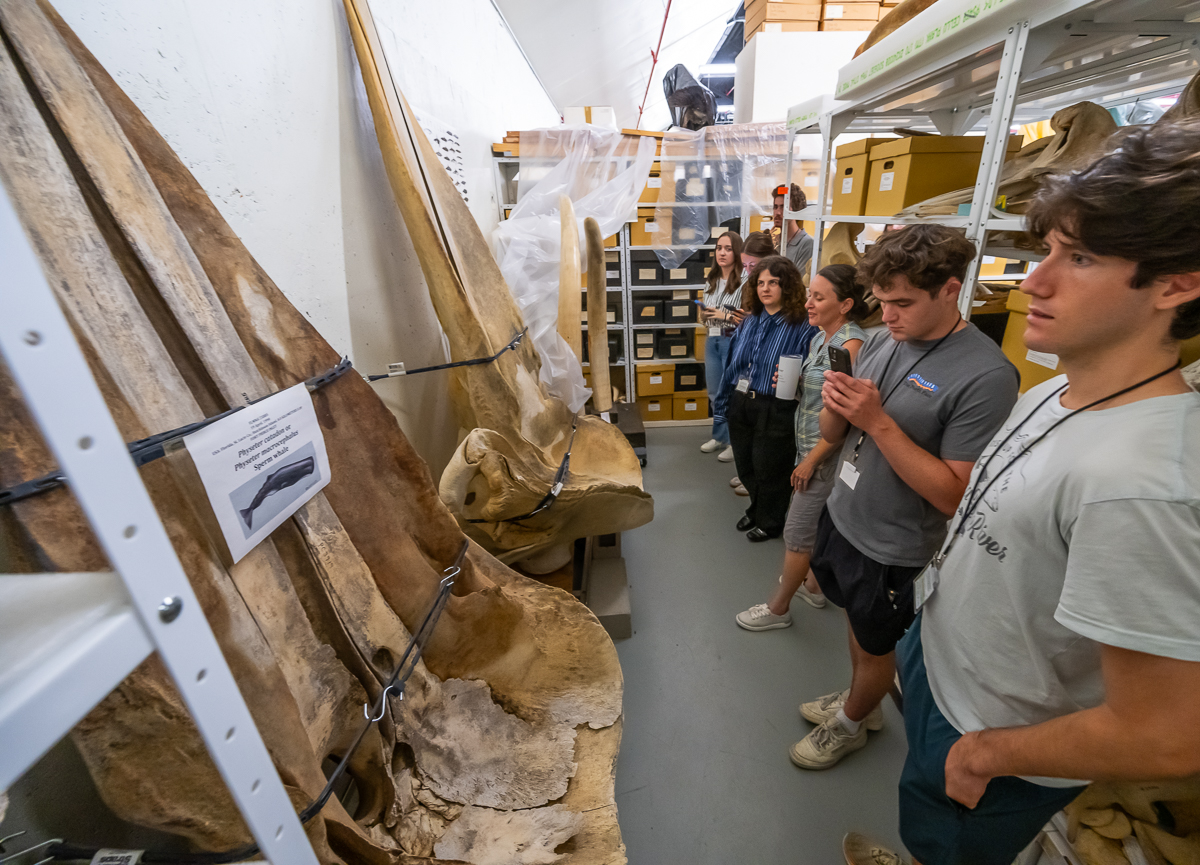
Fellows kicked off the fall semester with an orientation at Dickinson Hall on campus. Icebreakers and activities got the fellows talking and learning about one another. Following an overview of the program, fellows got to take a tour behind the scenes of the Florida Museum to experience the mammal collection with Mammology Collections Manager Dr. Verity Mathis. The Florida Museum hosts a vast collection of mammal specimens from across the world, introducing fellows to museum science and how collections are organized. Fellow Max Overdevest stated that the collections tour “…illuminated the scientific and educational values of a properly maintained specimen collection. Research collections seem to be a overlooked part of the value that Museums provide.”
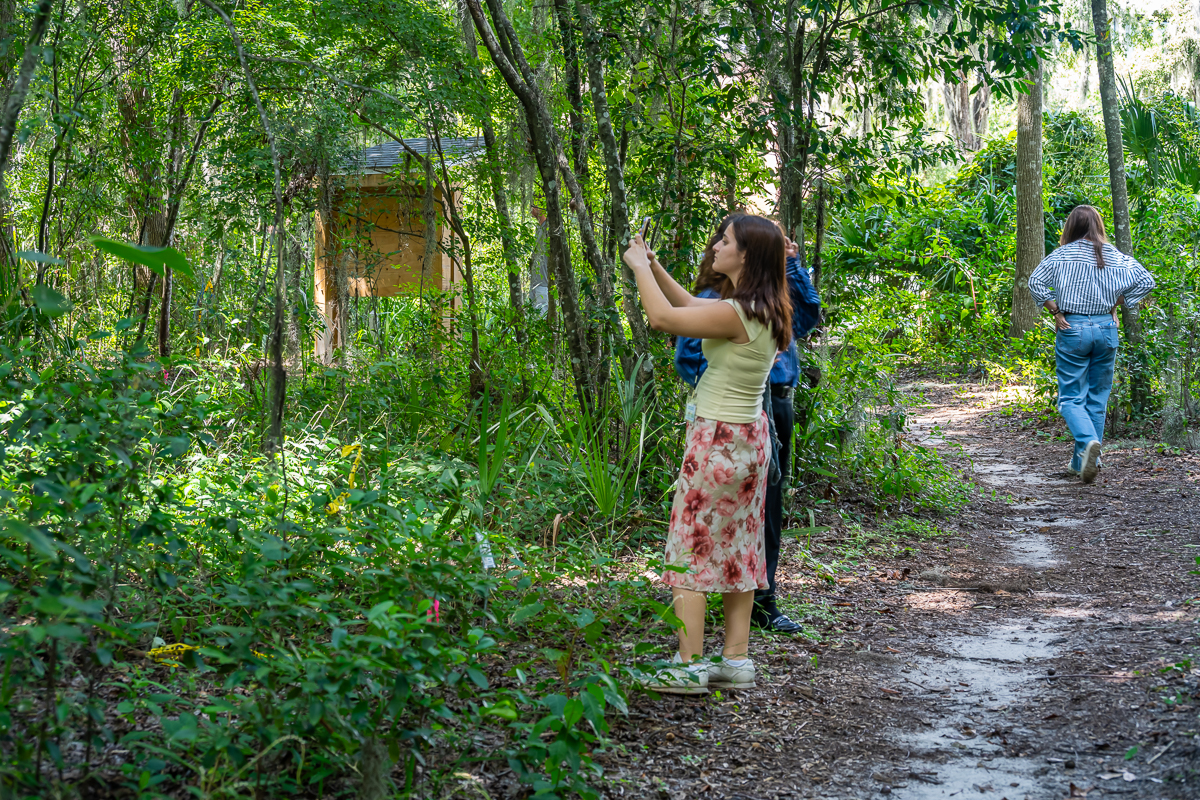
The cohort also got to take a walk through McCarty woods to practice using smartphone technology for citizen science with Merlin Bird ID, iNaturalist, and Seek by iNaturalist. Some species observation highlights included American sweetgum, a metric paper wasp, and Northern cardinals, to name a few.
Tuesday, August 19
Location: Ordway-Swisher Biological Station
Activities:
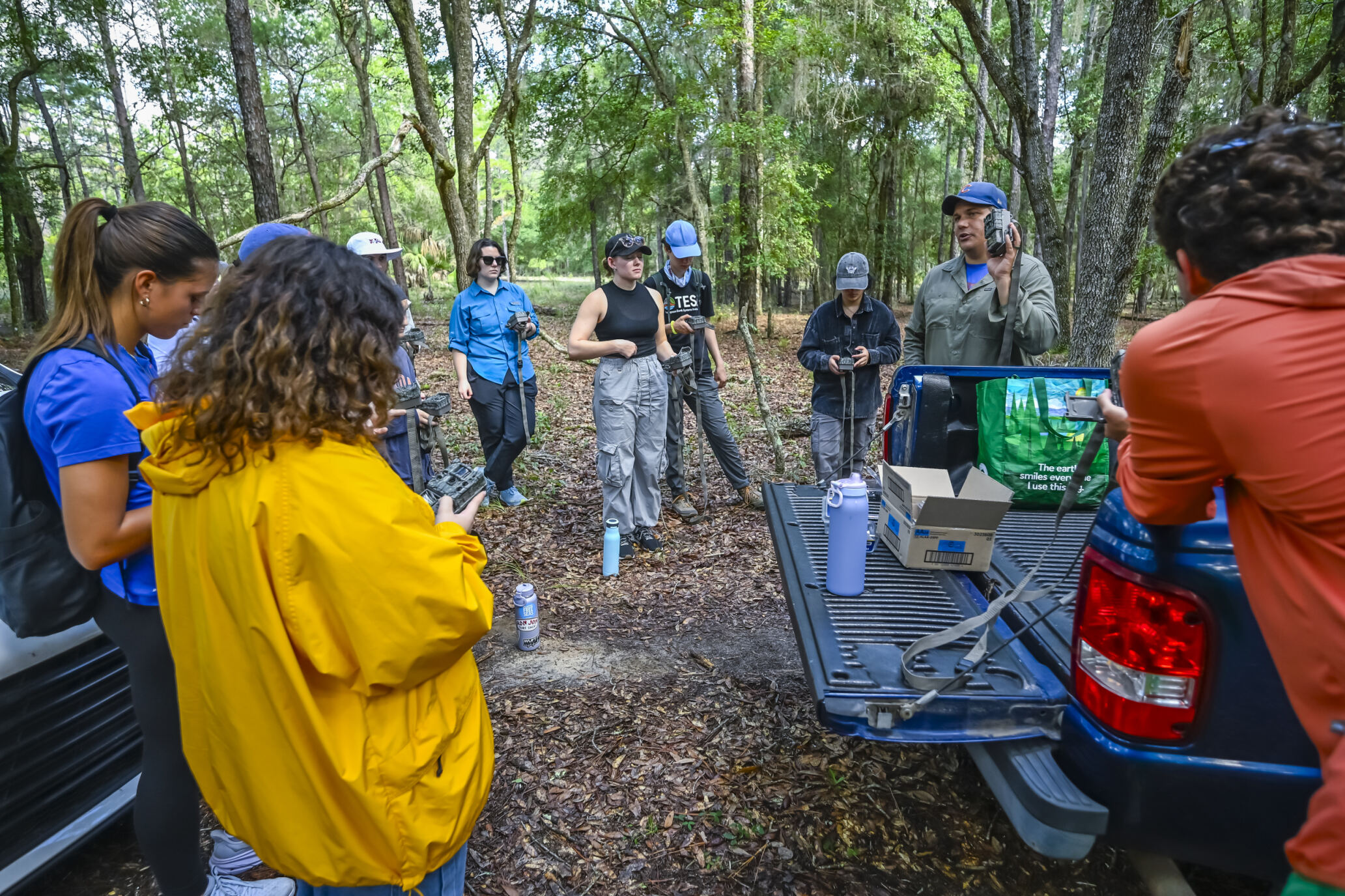
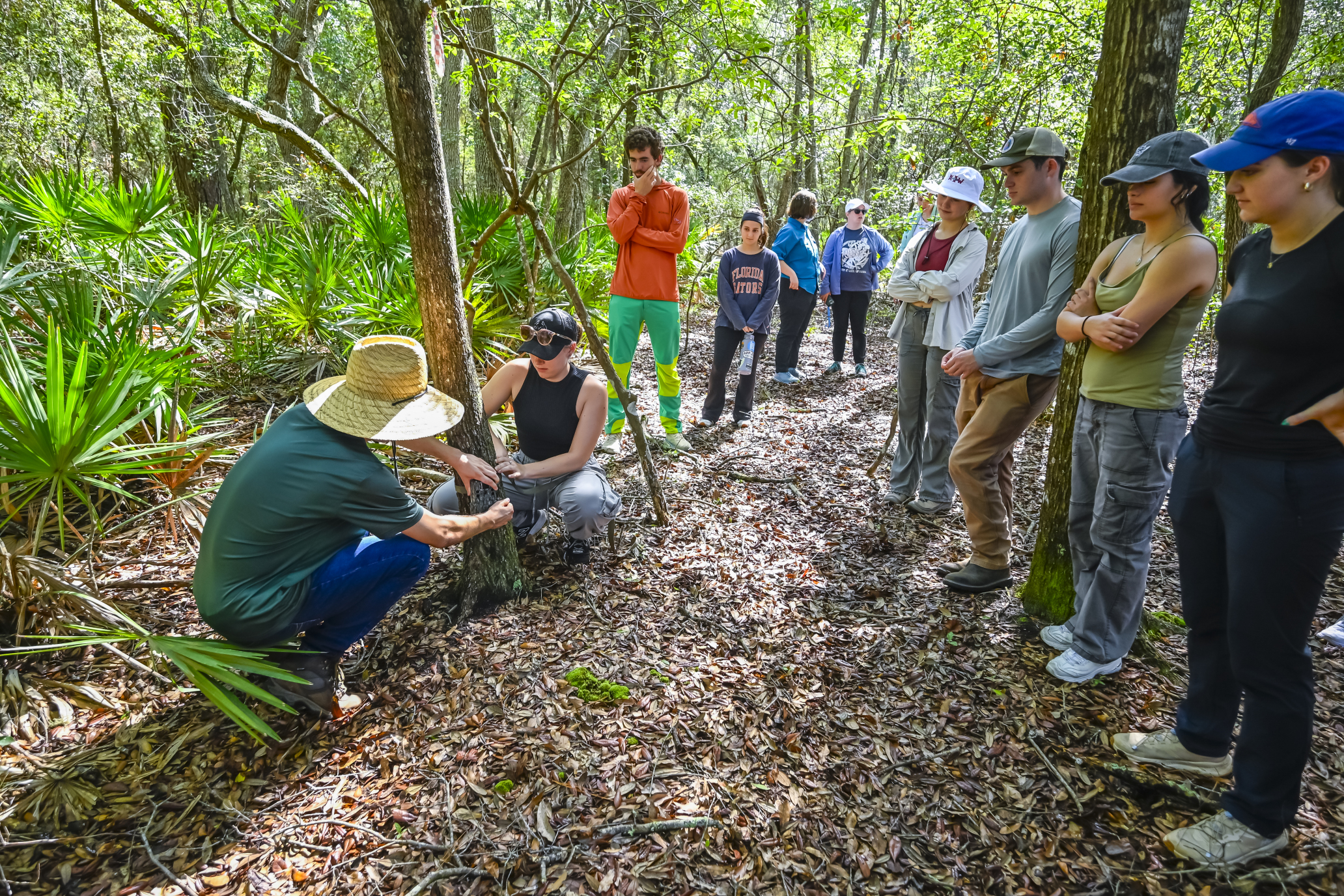
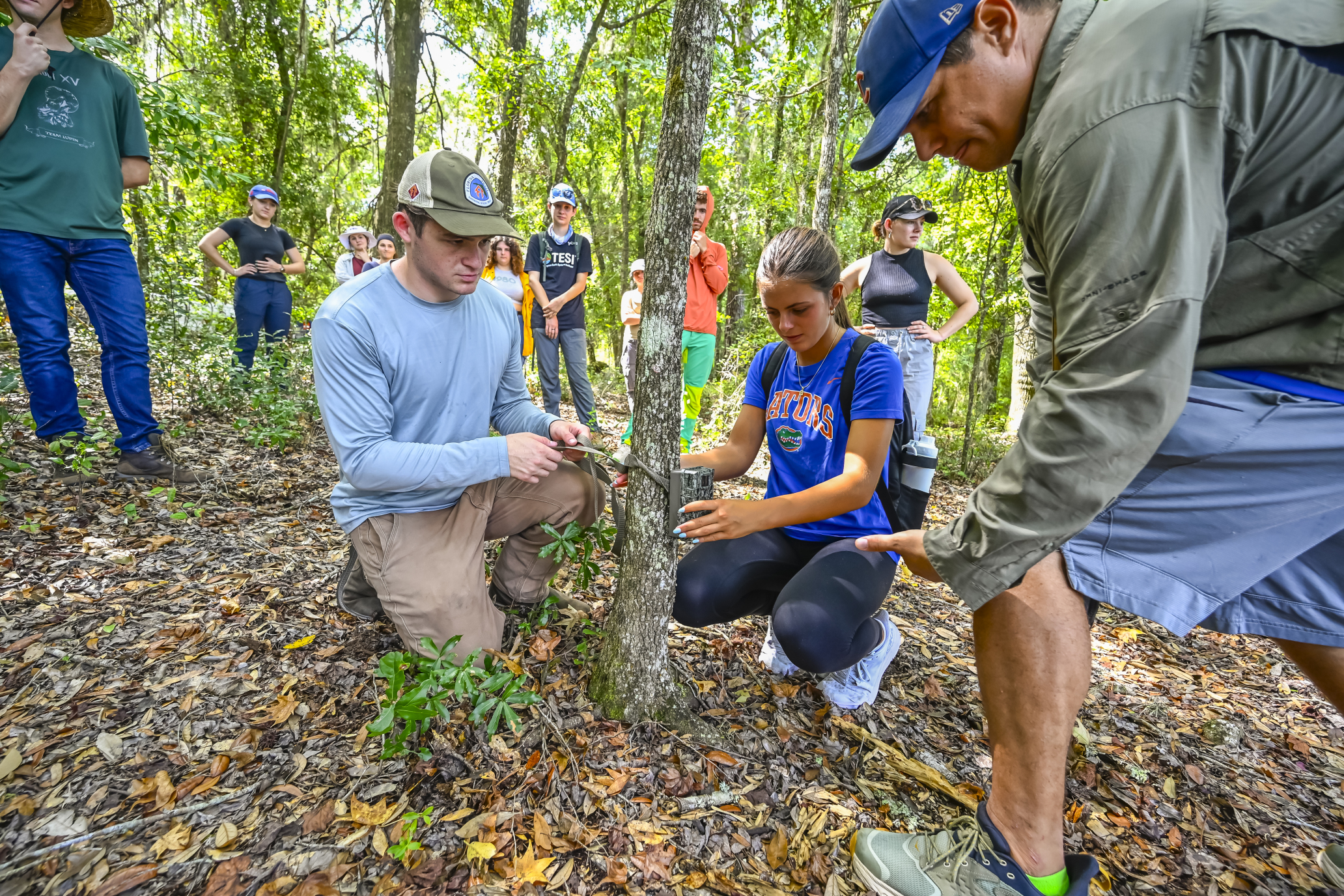
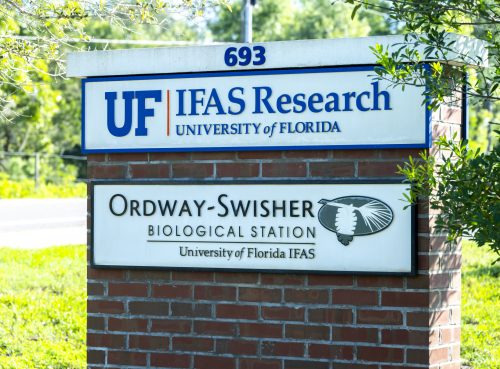 The first field day of the Environmental Leaders Fellowship was a blast. Dr. Matt Hallett, Assistant Research Professor in Wildlife Ecology and Conservation, led the cohort on a trip at the Ordway–Swisher Biological Station, where fellows got to set up camera traps for a wildlife monitoring project. Dr. Hallett often uses camera traps to monitor wildlife for conservation, including jaguars in Guyana. The fellows got to hear lots of funny stories of wildlife that have been caught on camera at the Ordway! The Ordway-Swisher Biological Station has a rich environmental history, with 9,600+ acres to support research, education, and conservation efforts. Fellow Grace Hooker reflected on this experience, stating “as someone who has limited experience conducting research in the field, this hands-on day was extremely valuable. I learned how to program a camera trap, along with several strategies for placement height and location based on the behavior of the target animal. Exploring the Ordway-Swisher biological station also allowed me to experience a snapshot of old Florida, or what the state would have looked like without development.”
Following the camera trap set-up, fellows ate lunch and spent the afternoon at a classroom on the Ordway-Swisher property learning about Springs Stewardship from TESI Assistant Director Sadie Mills. This included participating in outreach activities such as trivia tic-tac-toe and specimen matching games. This will prepare the fellows for participating in TESI springs outreach events this semester, as they will be given the chance to contribute and gain public outreach experience.
Wednesday, August 20
Location: Ocala
Activities:
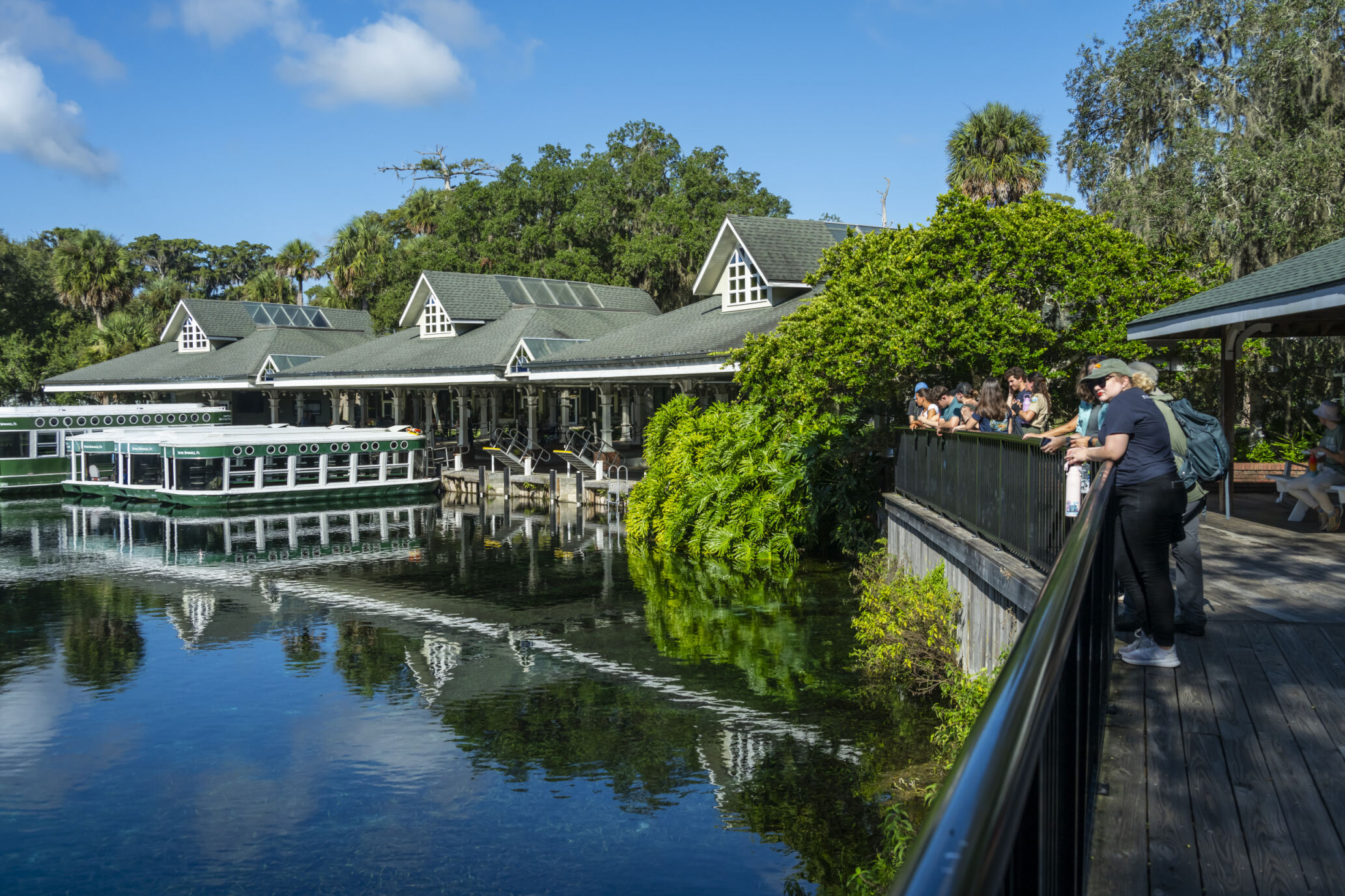
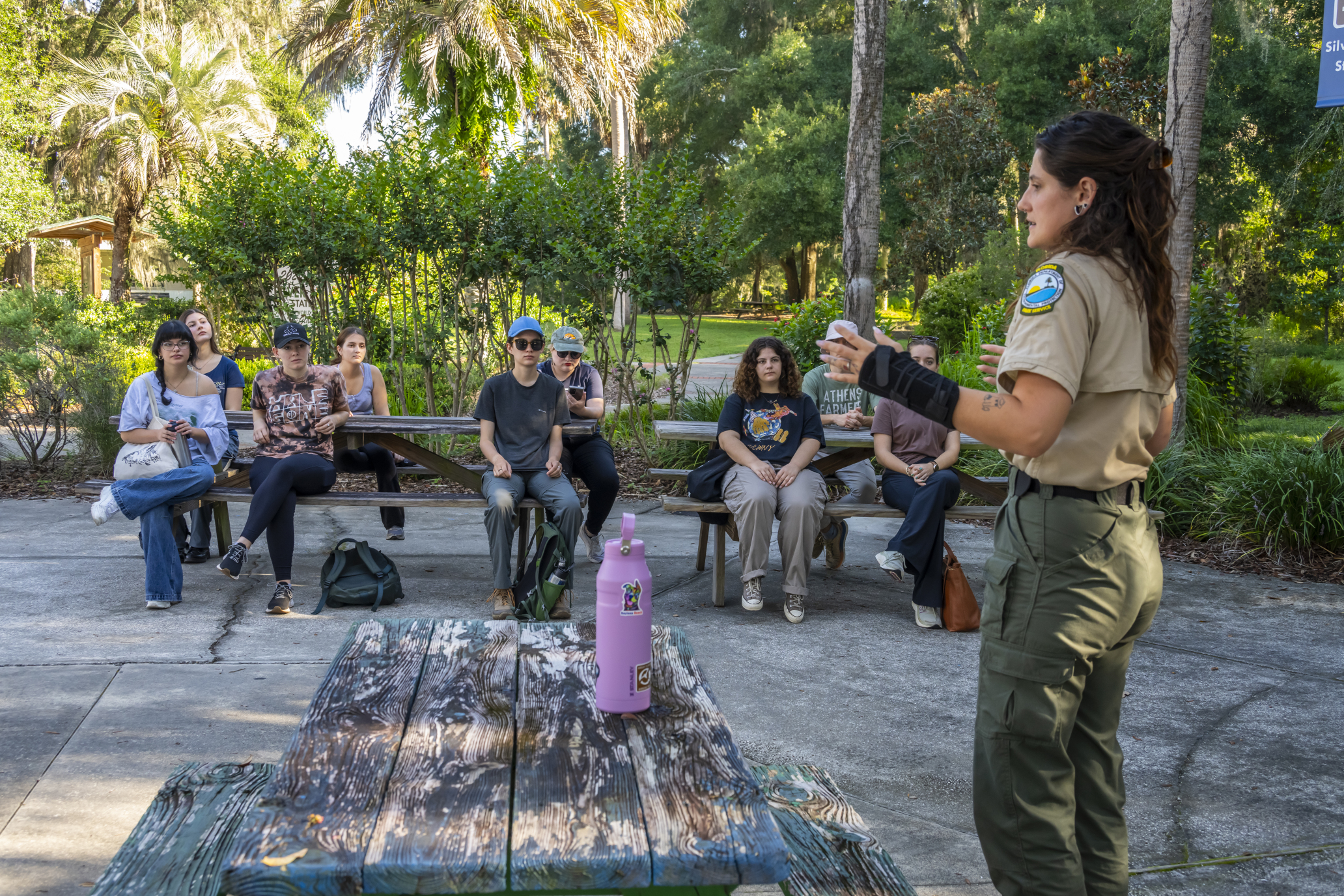
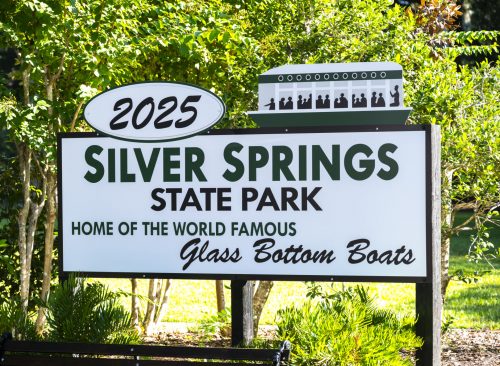 The second field day was a long one, with lots of stops along the way. City of Ocala Conservation Supervisor Matthew Stanley was the guide for this experience: He took fellows through the cycle of water in Florida, from the aquifer to our homes, to water processing plants, and finally (hopefully) back to the aquifer through recharge, like at the Ocala Recharge Wetlands. The morning started at Silver Springs State Park, where we met with park ranger Courtney Freeman, who spoke to the fellows about government career positions. Fellows even caught a glimpse of two river otters swimming in the spring! The cohort then got to experience a glass-bottom boat ride to see various springs at the park.
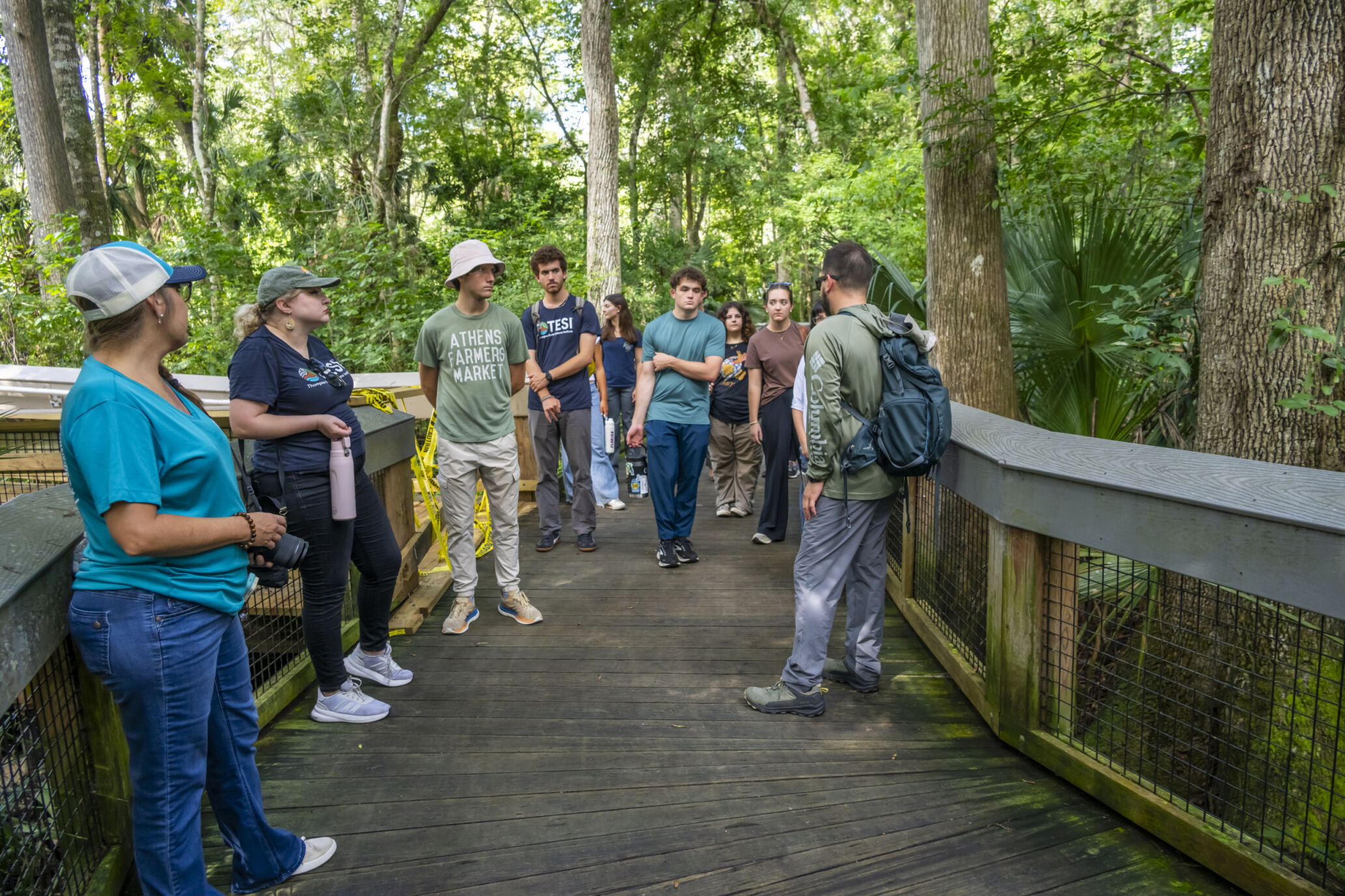
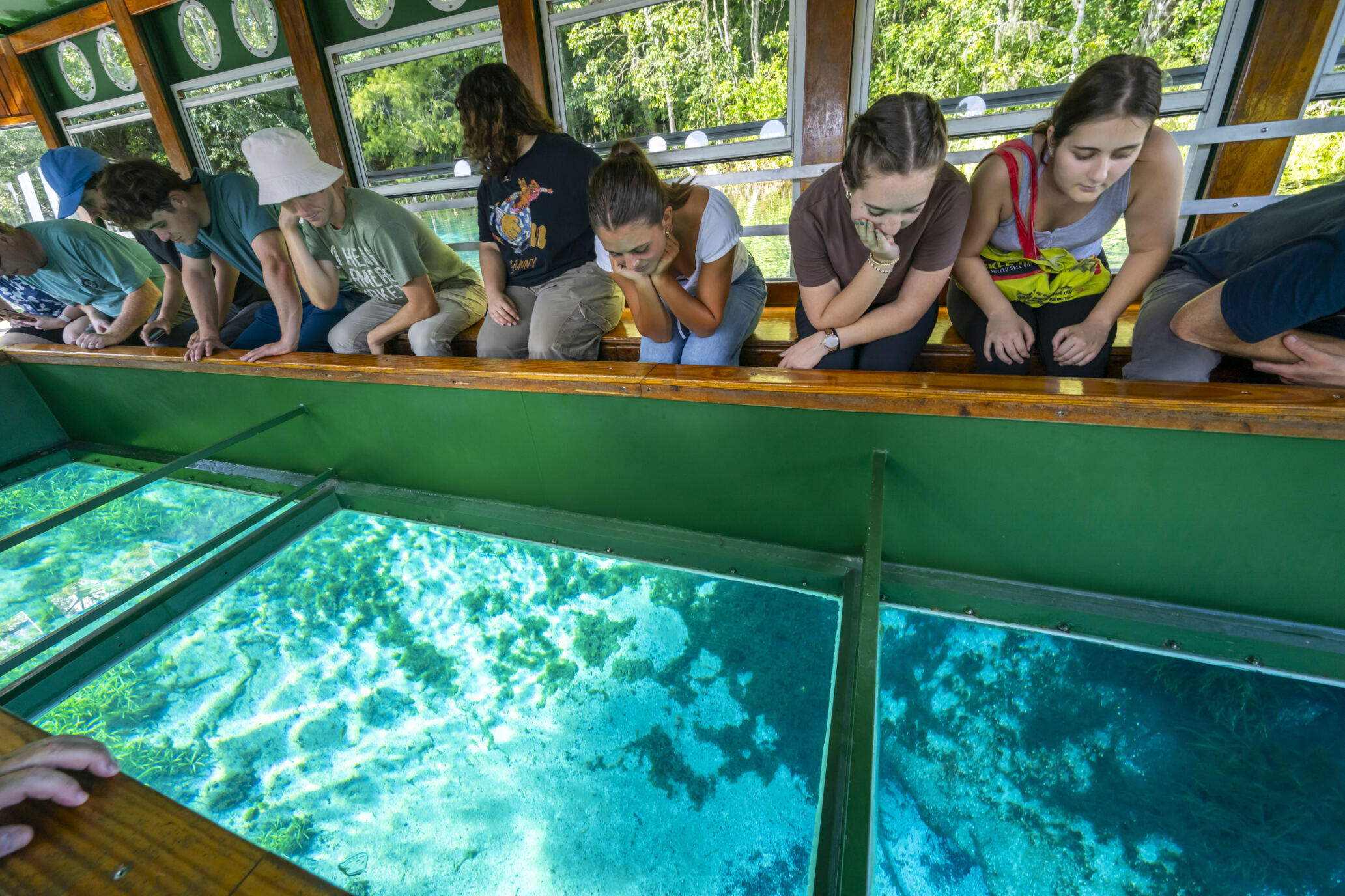
Following lunch at Silver Springs, fellows travelled to a wastewater treatment plant and got a tour of the facilities. You would be surprised to know what sorts of things people flush down the toilet! Following the tour of the wastewater treatment plant, fellows also got to tour a drinking water treatment facility and learn about the components of drinking water processing through a tour of the facilities. Kay Johnson expressed her interest in these tours, saying “Smaller organisms– whether microorganisms or macrolepidoptera— are crucial in preserving the biodiversity of our ecosystem and maintaining public infrastructure, so I was glad to hear that the wastewater facility talked about the work that microbes do in sustaining us.”
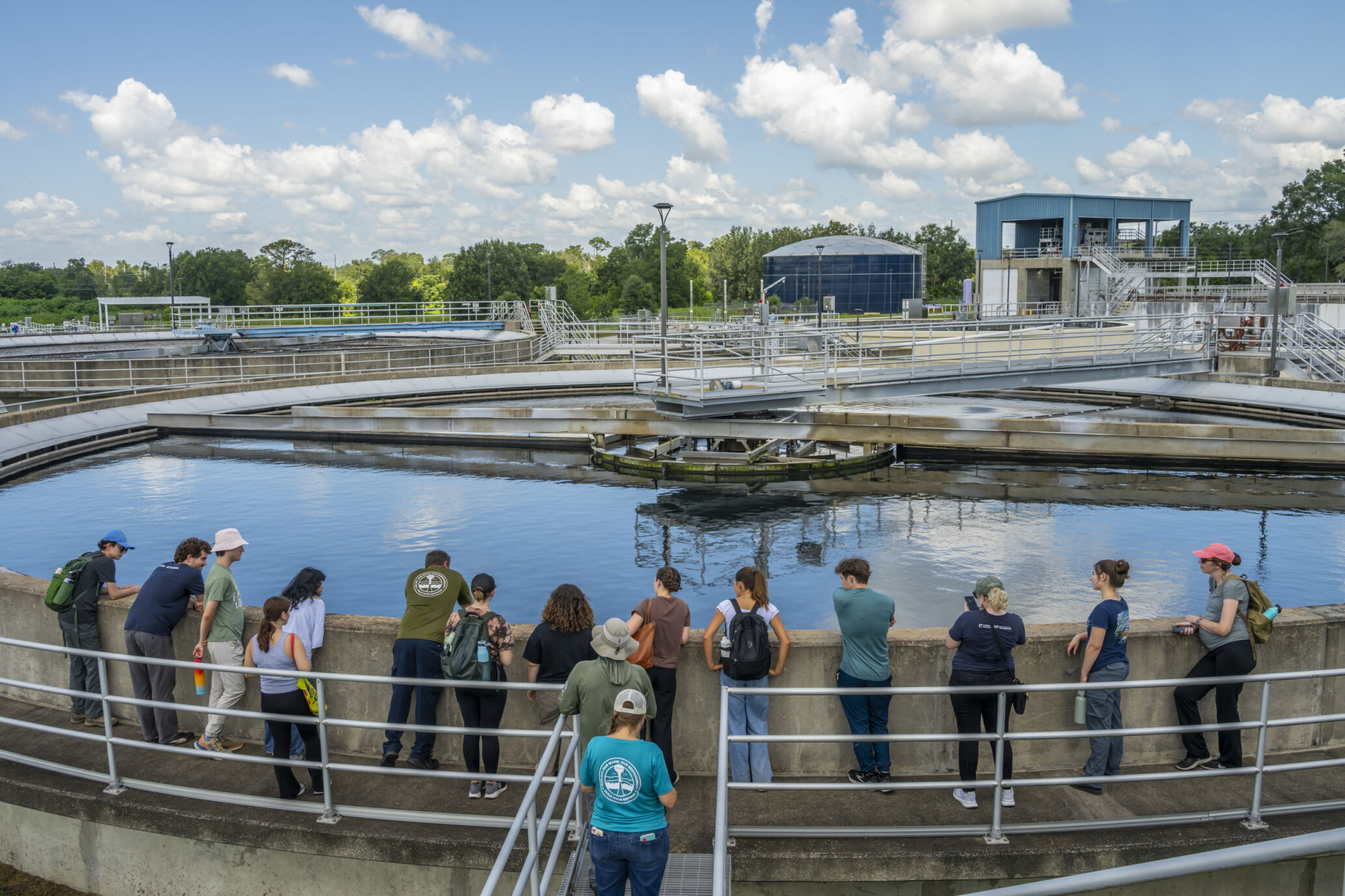
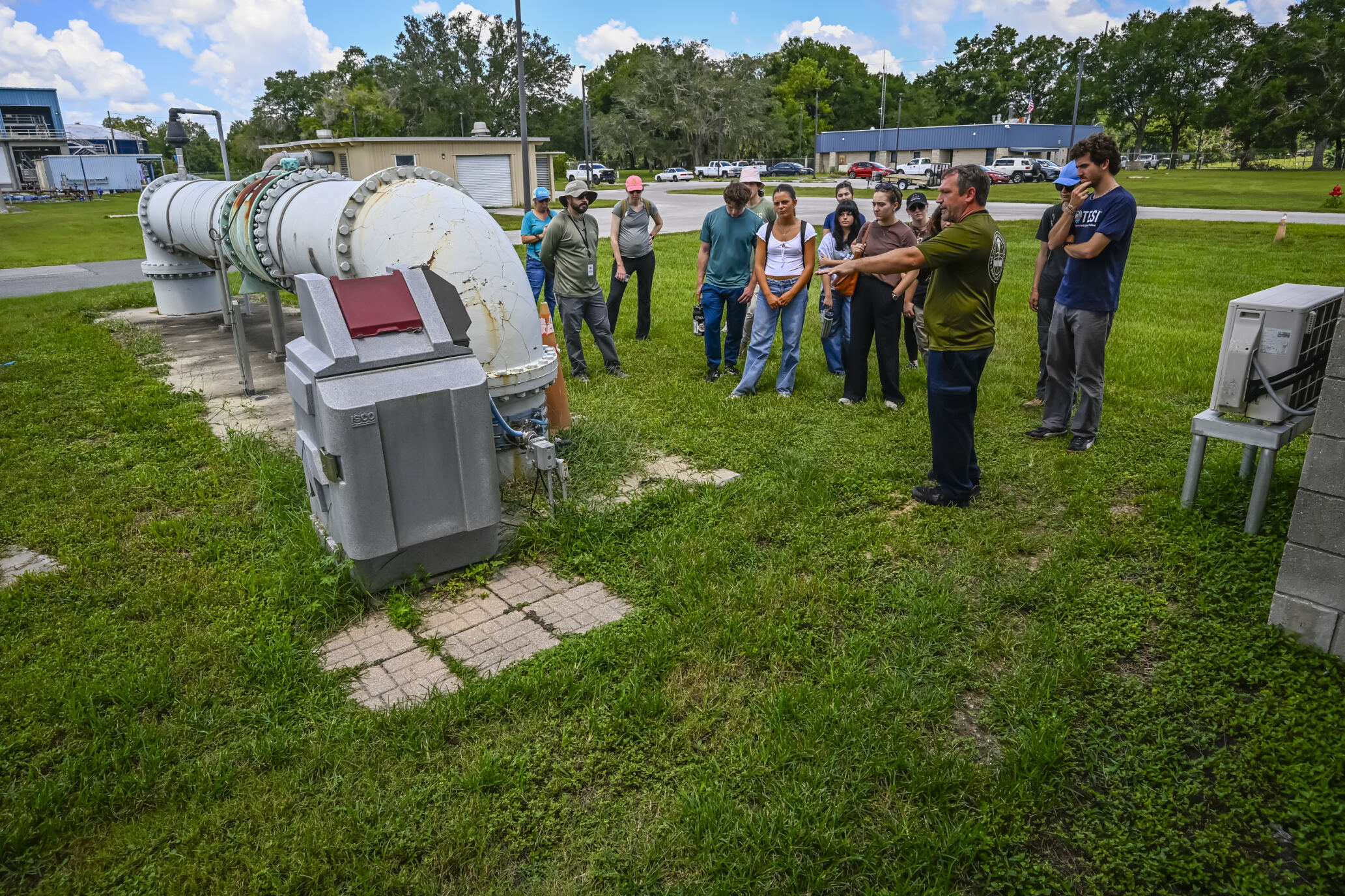
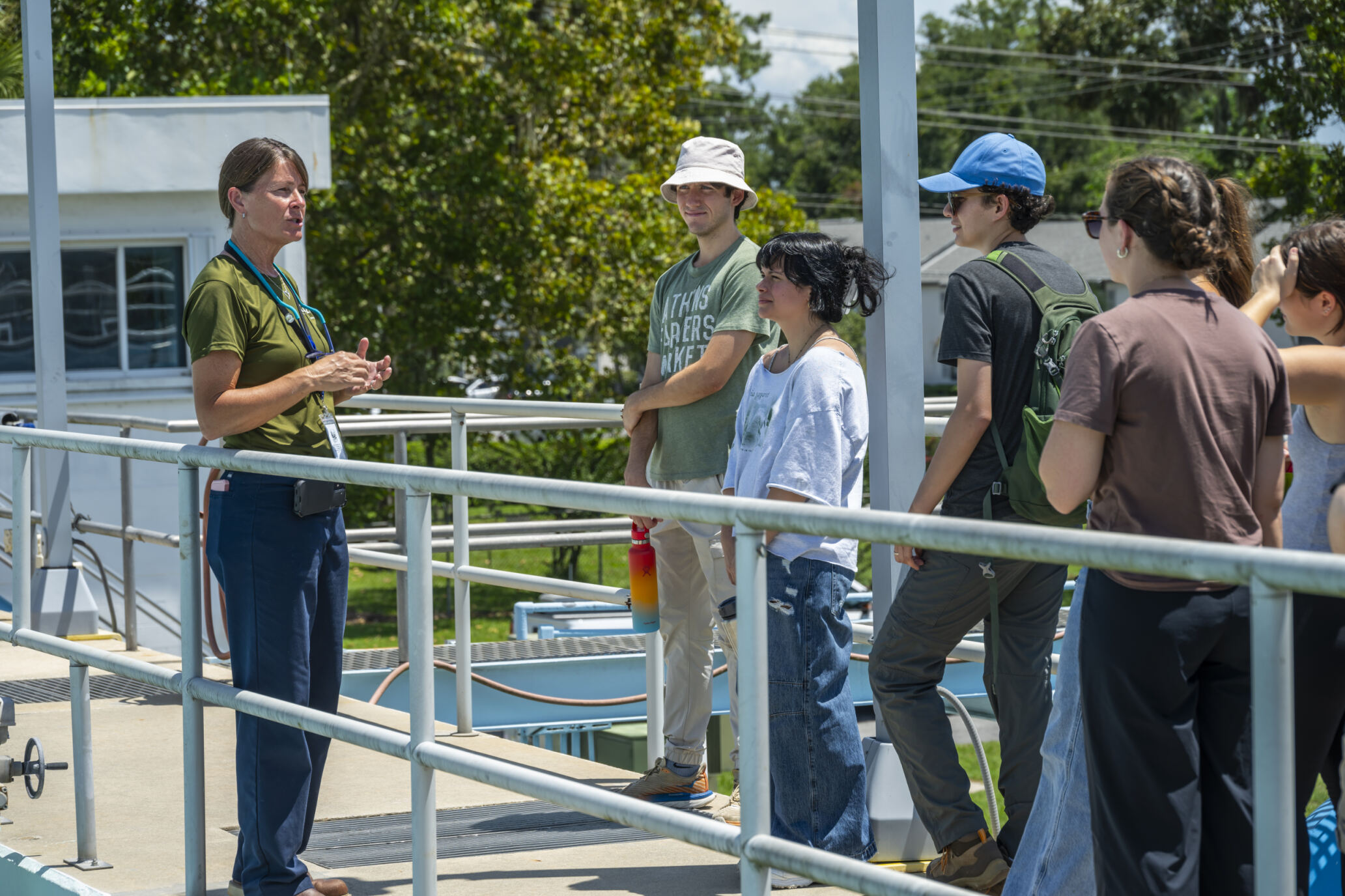
Finally, the day concluded with a walk around the Ocala Wetland Recharge Park, to see how water re-enters the Floridan aquifer after its journey aboveground. Fellows even got the chance to observe a sinkhole that formed in the park a few months ago. Sinkholes are frequently observed in Florida when the underground water level is too low to support the porous karst topography of the state.
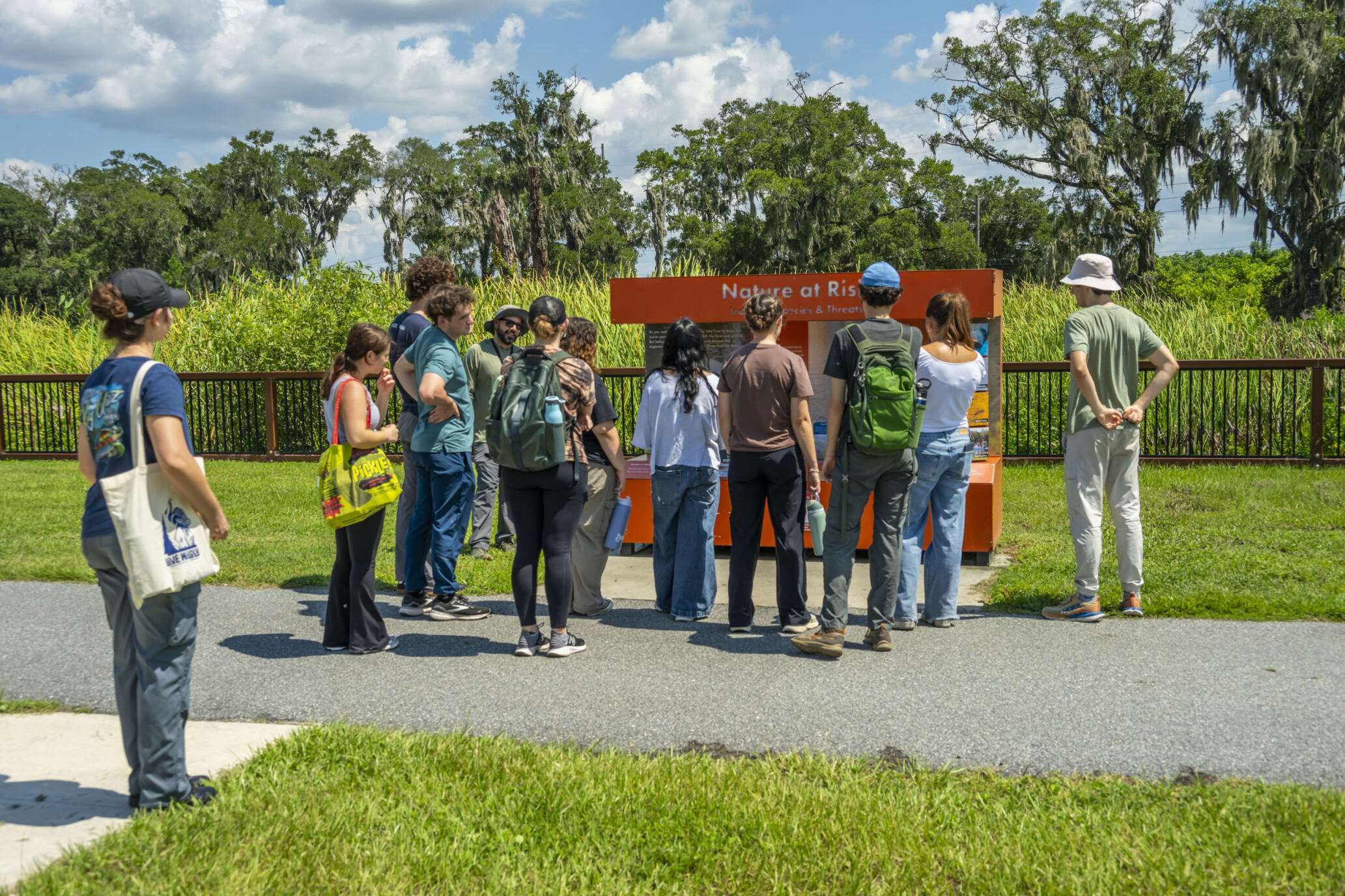
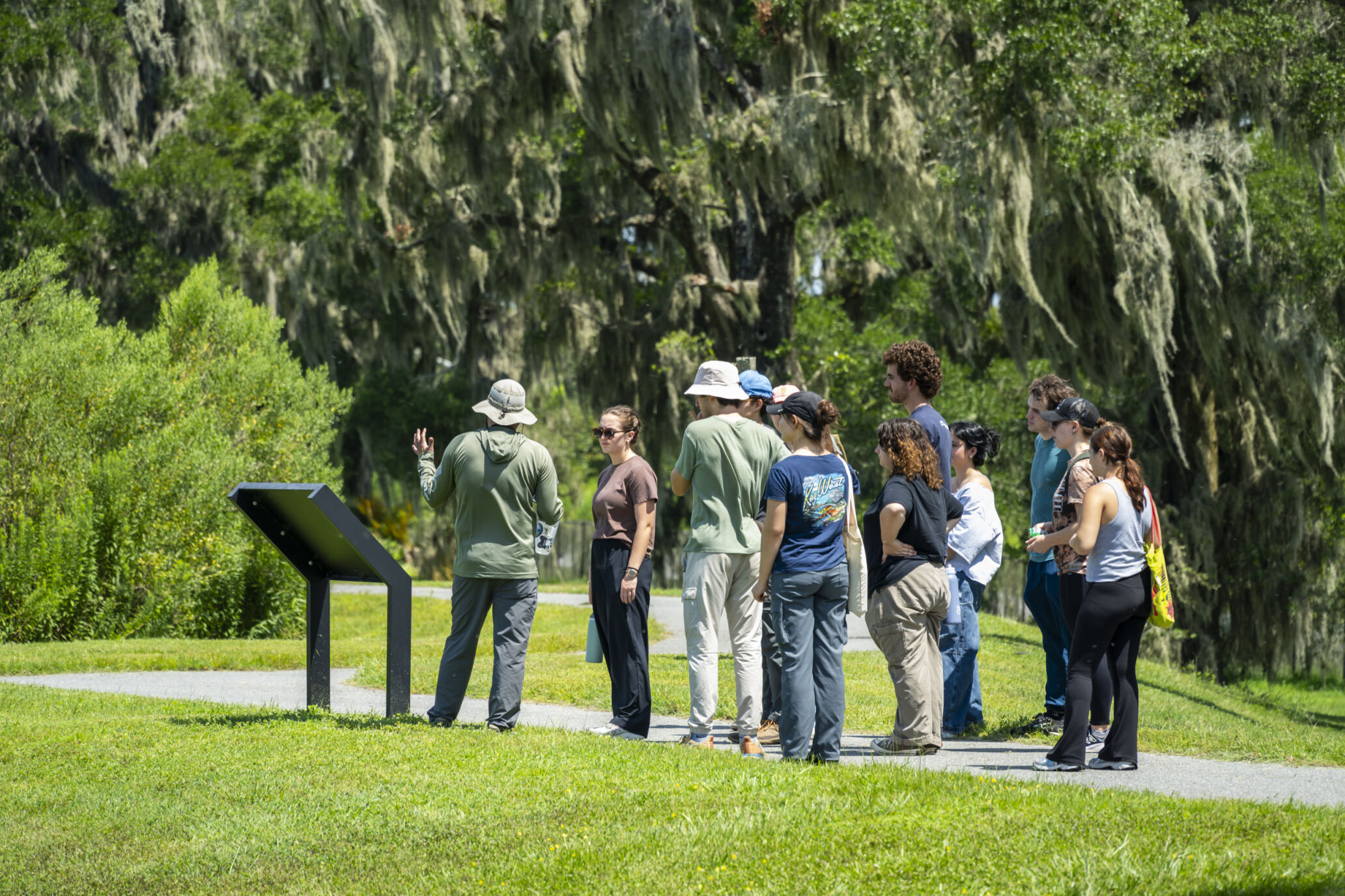
These experiences will help the fellows with their semester-long projects and will provide them with connections and experiences to benefit them in their future careers. Fellow Drew Kent reflected on the connections gained through these experiences, saying “it was inspiring to meet so many dedicated people working to better their communities through their work.”
All photos ©Florida Museum/Jeff Gage.
Support for these events was provided by the National Academies of Sciences, Engineering, and Medicine.
If you are interested in supporting the TESI Environmental Leaders Fellowship, please email Sadie Mills at smills@floridamuseum.ufl.edu.
 .
. 
Learn more about the TESI ELF Program and Cohort for Fall of 2025: