Rooted in Recovery: Sunflowers as a Possible Solution to Heavy Metal Pollution
What is it?
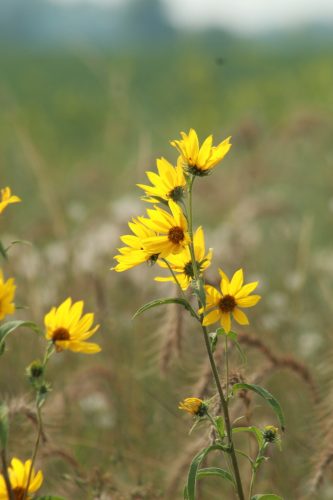
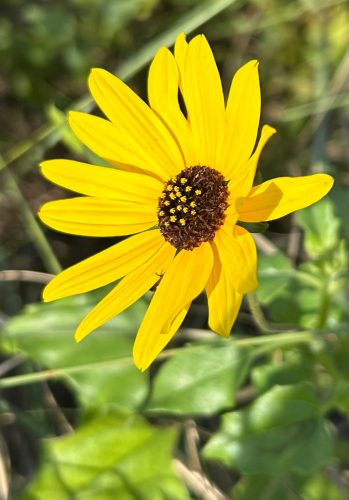
In Florida, we have sunflowers (Helianthus spp.) growing everywhere. These strikingly beautiful, yellow flowers aren’t just a delight to see, but some of them even extract and neutralize contaminants from the water and soil. This process is called phytoremediation – the precursor to bioremediation, the employment of microbes to degrade contaminated soil or water. Phytoremediation describes the use of plants (and often their associated microorganisms) to remove, extract, stabilize, or degrade environmental contaminants from soil, water, or sometimes air. Rather than relying on mechanical or chemical processes, phytoremediation turns living systems into a natural tool for environmental recovery.
universal or instant solution. Its success depends on a multitude of factors, including plant species, soil characteristics, the type and concentration of contaminants, and long-term site management. Importantly, contaminated plant biomass must eventually be harvested and disposed of properly to prevent pollutants from re-entering the environment.
Not every sunflower species can be used for phytoremediation, and not every contaminated site is ideal for this approach. If contamination is too deep, too concentrated, or composed of compounds outside of the plant’s uptake capacity, sunflowers alone may not be sufficient. Effective phytoremediation requires careful species selections, proper soil and light conditions, and contamination levels that fall within the plant’s capacity to absorb or transform safely.
Why it matters
With the increase in urban areas, contamination of soil and waterways has become a growing environmental challenge. Traditional remediation methods, such as excavating polluted soil and hauling it away or treating it chemically, are often expensive, disruptive, and environmentally taxing. Phytoremediation offers a compelling alternative: it is more cost effective, environmentally gentle, and visually supportive of healthier, greener landscapes. Instead of degrading a site during cleanup, sunflower-based remediation can make spaces more vibrant, pollinator-friendly, and ecologically productive.
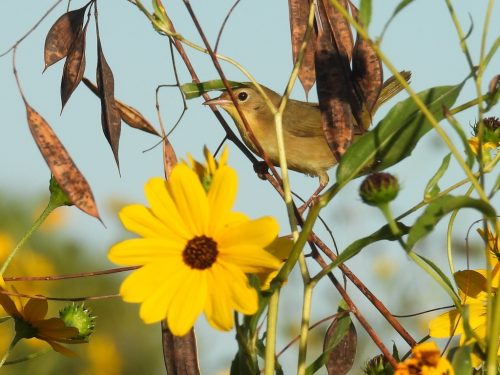
A major strength of phytoremediation is its potential to bring communities together. Planting and maintaining remediation gardens or green buffers create opportunities for residents, schools, organizations, and volunteers to take part in hands-on environmental stewardship. These projects reduce pollutants while also strengthening environmental awareness, improving neighborhood aesthetics, and increasing collective investment in local greenspaces.
By reducing contamination, phytoremediation also helps protect human and ecosystem health – lowering exposure risks for children, supporting safer soils for urban gardening, protecting wildlife, and improving key ecosystem services such as water filtration, soil fertility, and pollinator habitat.
Thinking about the future
To expand the potential of sunflower-based remediation, future research and planning should prioritize identifying the most effective sunflower species and complementary plants for different contaminants, soil types, and climates.
Equally important is developing clear, safe, and accessible protocols for harvesting and disposing of contaminated plant material, so pollutants are permanently removed from the system. Successful long-term implementation will also depend on stronger partnerships between communities, environmental organizations, local governments, and soil and water management districts to ensure projects are scientifically sound, publicly supported, and environmentally meaningful.
Overall, this is a chance to shine a light on a new way for citizen science actions to take root!
Information from Nature, Tree People, Women’s Earth Alliance, and PubMed Central.