What is happening in our sewers? Learn more about biosolids and how they are used to provide valuable nutrients to our crops.
What is it?
Each day, every person in Florida generates an average of 100 gallons of wastewater.
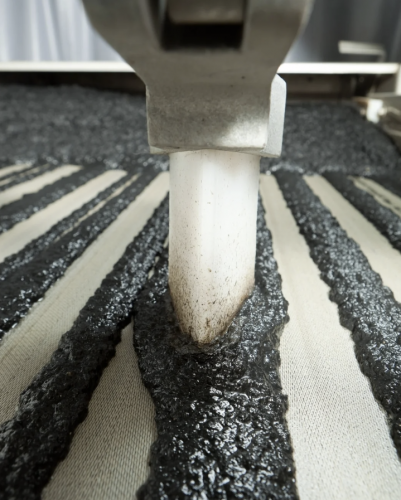
When sewage is transported to a wastewater treatment facility, it undergoes an extensive
filtration process that has numerous steps. The first step is to separate the liquid from solid waste. That solid waste is then treated and becomes what is known as biosolids. If that material meets a certain standard with the EPA’s regulations, then it may be used as nutrient-rich fertilizer on farmland. Other options for biosolid disposal include landfill and incineration. Meanwhile, the liquid waste is treated and processed into wastewater or ‘reclaimed water’. This can also be used as water for agriculture, lawn care, or kept in water retention ponds. The wastewater treatment facilities across Florida generate 1.5 billion gallons of reclaimed water per day!
Why it matters
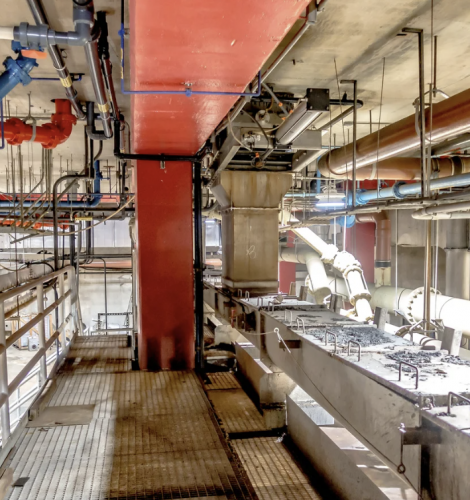 The way we dispose of our waste has numerous implications for the health of our local ecosystems and future generations. There has been a significant issue involving the discovery of PFAS or “forever chemicals” in biosolid waste has become a significant issue. These chemicals get into our wastewater through industrial, commercial, and individual releases. This can occur in a factory, in car washes, or just from pouring things down the drain. PFAS are in many everyday products, so it is almost impossible to avoid coming into contact with them.
Due to PFAS’ carcinogenicity, this exposure has become a great cause for concern. Because biosolids are being applied to soil and farmlands, the chemicals are leaking into our groundwater, leading to serious health and environmental issues.
Thinking about the future
Researchers are currently investigating ways to safely reuse biosolids and filter out harmful PFAS chemicals. Researchers affiliated with the UF Water Institute are investigating the application of biochar, which could be a method of producing safe, nutrient rich, biosolid waste acting as a fertilizer that doesn’t leak harmful PFAS into our groundwater.
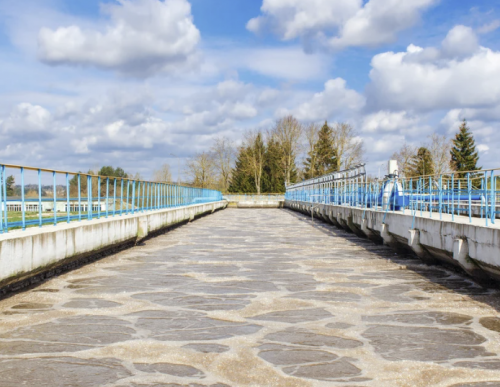
Further research must be conducted as there are several economic, environmental, and social factors to be considered when implementing solutions. For now, scientists continue to learn about PFAS and biosolids to better understand how they relate to human and ecological health.
Info from EPA and Florida DEP. Images from Canva.