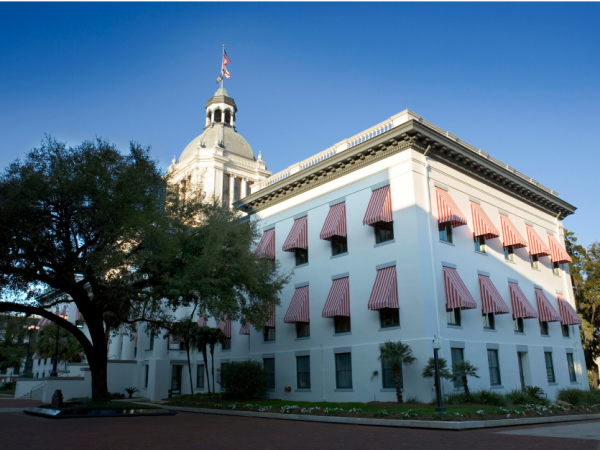
Florida’s Environment: What Happened in the 2023 State Legislative Session?
Lawmakers approved a $117 billion state budget and several bills related to our state’s environment.
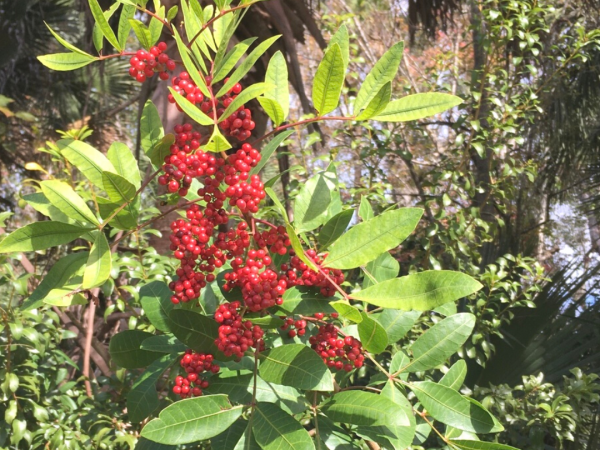
Tell Me About: Brazilian Peppertrees
Spreading over 700,000 acres in south and central Florida, the Brazilian peppertree is one of the most aggressive and widespread invasive plants in the state.
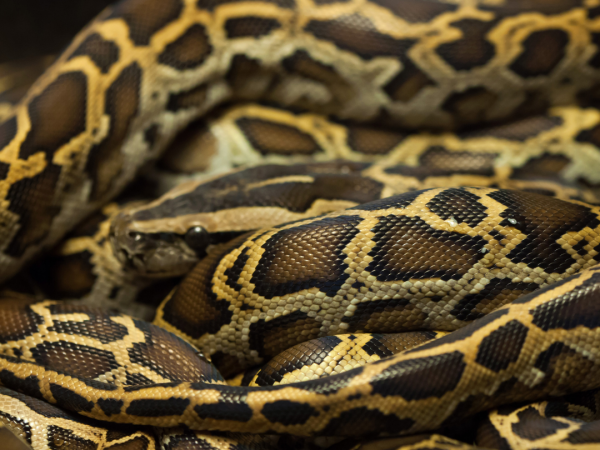
Tell Me About: Burmese Pythons
Burmese pythons are nonnative snakes that have invaded South Florida ecosystems. Their presence in the wild has been linked to extreme population declines of multiple species in the Everglades National Park, whether that be from predation or competition. Read to learn more about this invasive species.
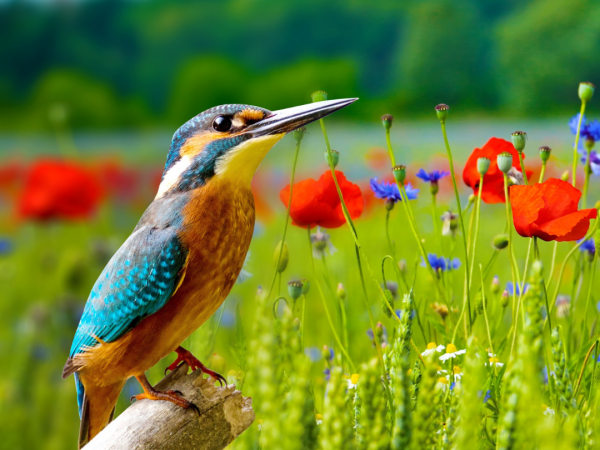
Action of the Week: Celebrate World Migratory Bird Day
Time to un-ruffle your feathers because May 13th is World Migratory Bird Day!
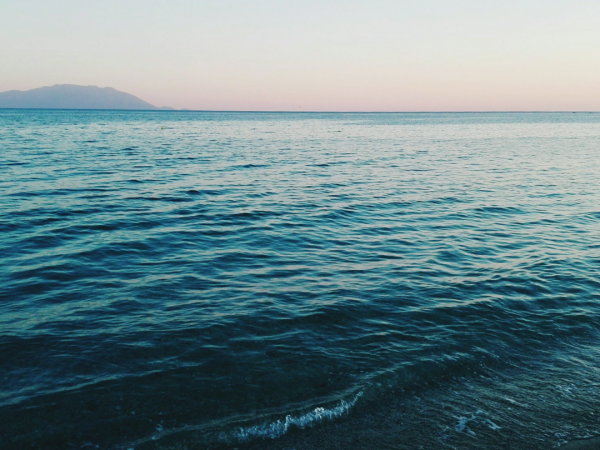
Tell Me About: Ocean Acidification
As emissions of carbon dioxide, a potent greenhouse gas, increase, so does the acidity of our world’s oceans. When the ocean takes up atmospheric carbon dioxide, a series of chemical reactions occur that result in an increase in hydrogen ions. This decreases the water’s pH. Read to learn more about this process and how it impacts marine life.
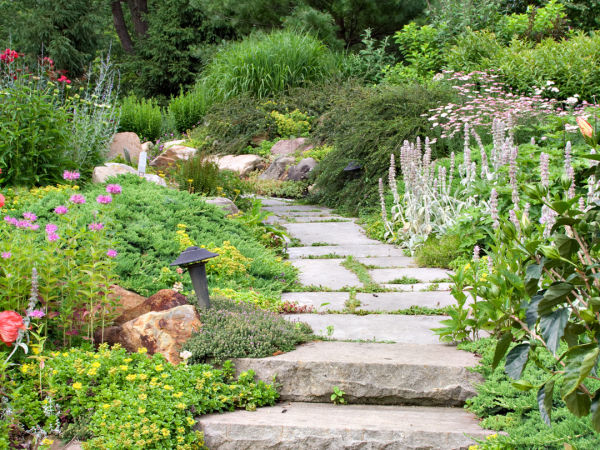
Action of the Week: Certified Wildlife Habitats
Did you know you can certify your yard as a wildlife refuge?
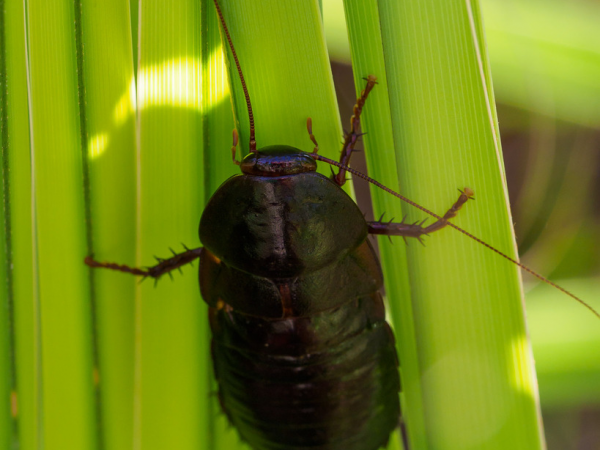
Tell Me About: Palmetto Bug
What’s going on? With over 55 species of cockroach in the United States, it can be difficult to tell them … Continue

Florida’s Environment: 13 Stories to Watch for April
To pair with the rest of our educational content in each Earth to Florida newsletter, we bring you monthly updates … Continue
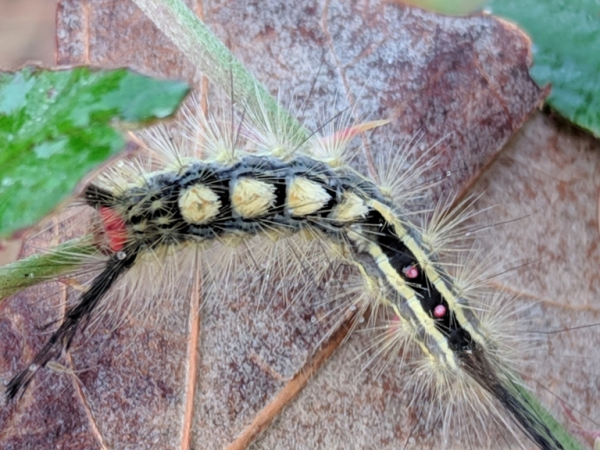
Tell Me About: Tussock Moth Caterpillars
If you live in Florida and have been anywhere near oak trees this spring, you may have encountered numerous hairy caterpillars.

Action of the Week: Make Your House More Insect Friendly
Insects are the base of many food webs, act as pollinators, and assist in nutrient recycling.