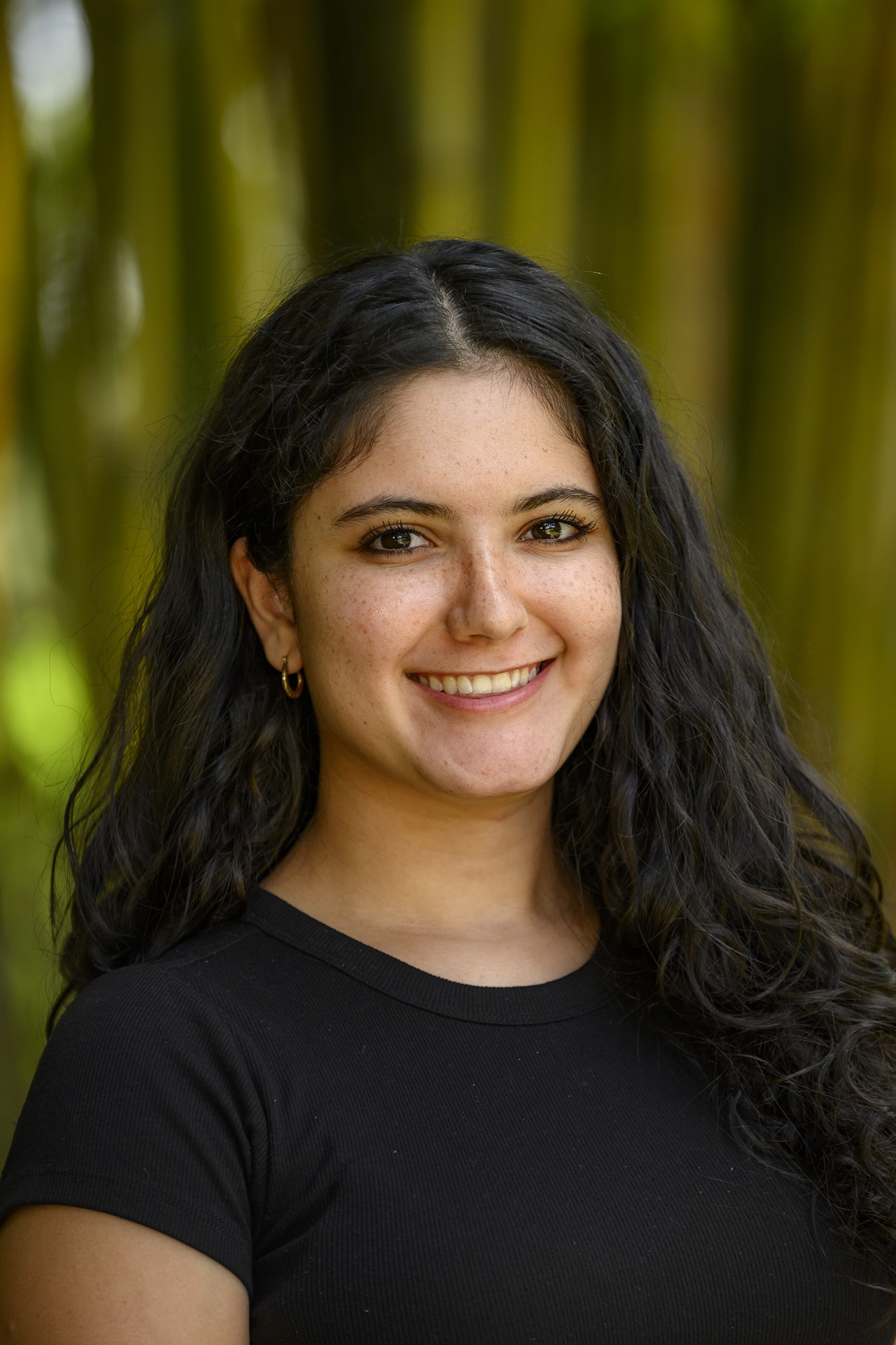
This past spring, the UF Thompson Earth Systems Institute (TESI) and the Florida Museum of Natural History’s Randell Research Center (RRC) partnered to host a communications intern to develop a multimedia story sharing the history, value, and resilience of the RRC as a coastal museum center in a hurricane-prone state. The intern, University of Florida master’s student Patricia Escobar Torres, immersed herself in the RRC’s history at Pineland by combing through dozens of archived newsletters and other records sharing the research, community outreach, and other activities supported by the center for nearly 30 years. To develop her story, Patricia also interviewed RRC staff, as well as Pine Island natural history and environmental experts, to gain a better understanding of the center’s current activities and the impacts of recent hurricanes on the center and Pine Island. She also collaborated with the Florida Museum of Natural History’s graphics, photography, and South Florida Archaeology program to develop and collect media that best showcases Pine Island’s Calusa heritage, natural history, and community resilience.
Patricia’s interest in the RRC and Pine Island actually began in Gainesville at the museum’s South Florida People and Environments Exhibit which features the Calusa of southwest Florida. “It was awesome to see, and I got curious about what kind of work was done behind the curtain to bring it to life. Then I learned about the origins of the exhibit and its connection to the Randell Research Center, including its mission for communicating the importance of cultural heritage. As a scientist and communicator, I just knew I had to get involved somehow,” says Patrica.
Patricia’s story, Making a Gift of the Past to the Future: Humans, Heritage, and Hurricanes on Pine Island, Florida, was recently published in TESI’s August issue of Earth to Florida newsletter and on the Randell Research Center website. The story artfully highlights the ties between the past and the present along Florida’s southwest Gulf coast and celebrates the role of the RRC in preserving the Calusa heritage of the region as well as community resilience.
As described by Patricia: “I learned a lot about the importance of communicating science in an effective and approachable way. Keeping cultural heritage sites, such as Pineland, intact and accessible is so important for preserving and conserving Florida’s heritage. As I researched and wrote, I learned how to be respectful of the past, regardless of what it might hold. As I interviewed scientists and community members, I learned that everyone has a story to tell, and they tell it best themselves. I loved collaborating with so many different individuals who all had something to contribute, and I felt honored to be the person who gets to help share it with others.”
Broadly, this TESI and RRC collaboration aimed to share the important work of the Florida Museum’s RRC with thousands of Floridians and others across the U.S. As for Patrica personally, we are thrilled to share that this collaboration has inspired her to pursue research about cultural heritage management in graduate studies in UF’s School of Natural Resources and Environment: “I want to understand how the cultural heritage sites of coastal southwest Florida are managed and how to best support those that work to conserve them.”
More
The Calusa and Randell Research Center: An introduction by Patricia Escobar-Torres