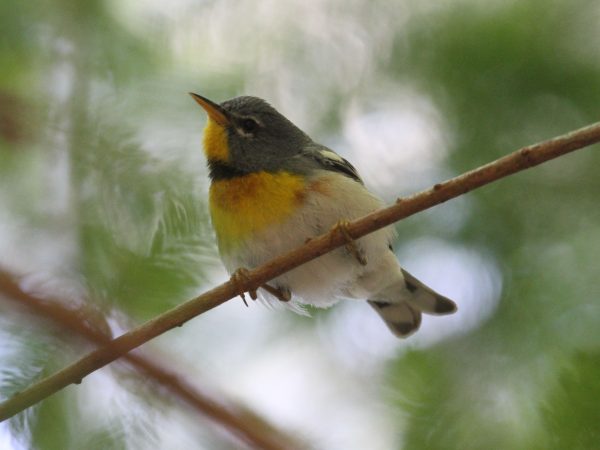
Migratory birds bumped off schedule as climate change shifts spring
New research shows climate change is altering the delicate seasonal clock that North American migratory songbirds rely on to successfully…
Read More
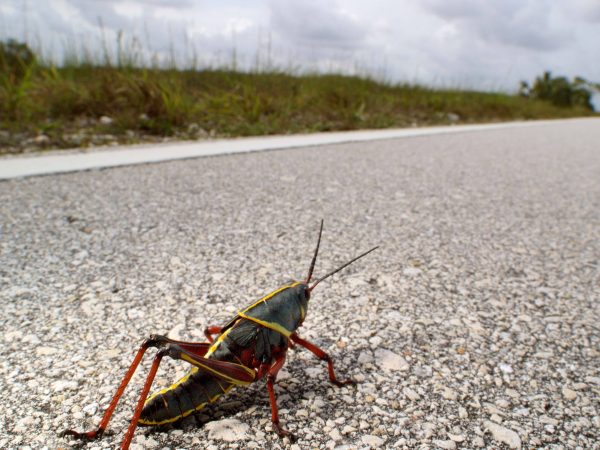
Noise pollution from gas compressors changes abundance of insects, spiders
The relentless roar of natural gas compressors influences the numbers of insects and spiders nearby, triggering decreases in many types of…
Read More
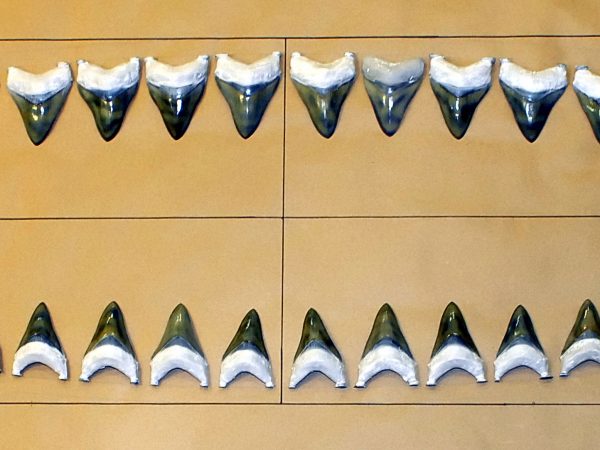
World’s biggest shark goes to school, thanks to 3-D printing
University of Florida researchers are taking down the Plexiglas walls between museum collections and K-12 classrooms with an educational program…
Read More
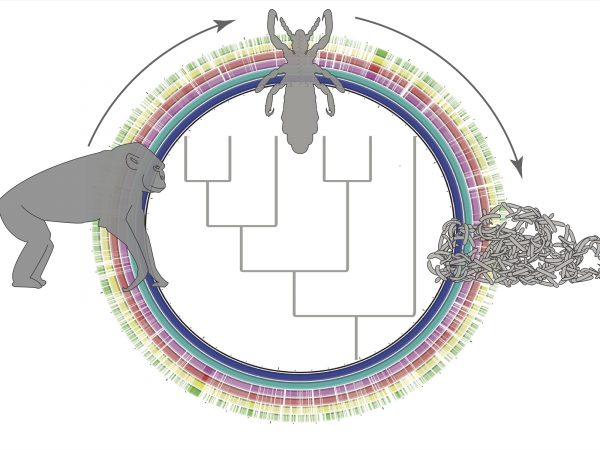
Partners in parasitism, lice and their bacterial sidekicks share long history
A Florida Museum of Natural History study provides new insights into the complex, shared history between blood-sucking lice and the…
Read More
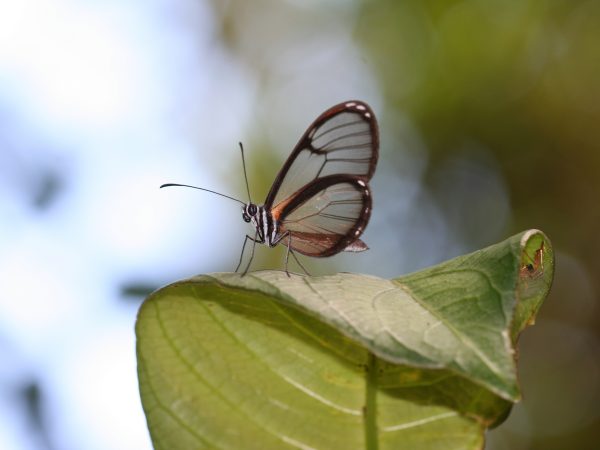
North Andean Clearwing genus Pteronymia reclassified
Florida Museum researcher Keith Willmott and peers reclassified the genus Pteronymia in a new paper, adding six species for a…
Read More

Ominous new interpretation of Aztec sun stone
A new study on one of the most important remaining artifacts from the Aztec Empire, a 24-ton basalt calendar stone,…
Read More
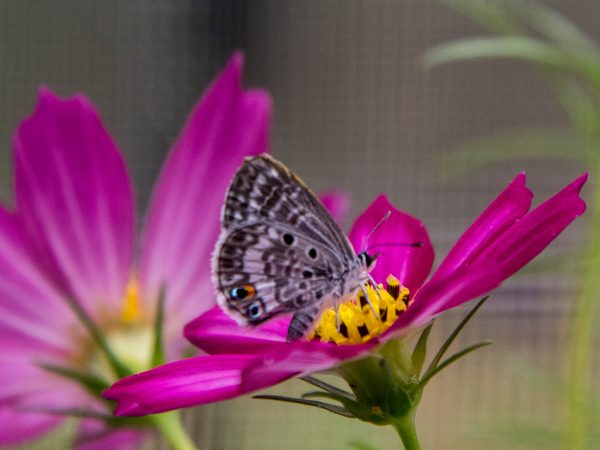
Miami Blue Butterflies
Once common throughout coastal southern Florida, the Miami blue butterfly now ranks among North America’s rarest insects. While the main…
Read More
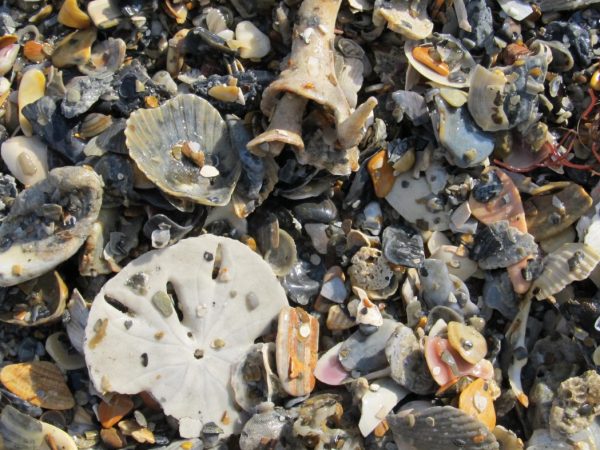
Mollusk graveyards are time machines to oceans’ pristine past
A Florida Museum of Natural History study shows that mollusk fossils provide a reliable measure of human-driven changes in marine ecosystems…
Read More
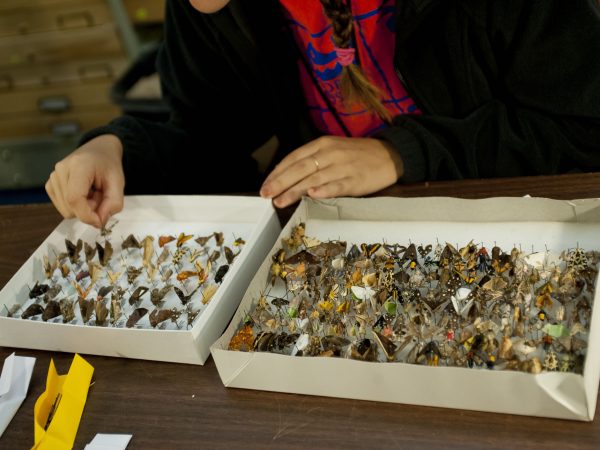
DNA barcodes help solve butterfly classification conundrums
Take a look at this box of butterflies. How many species do you see? You might be tempted to divide…
Read More
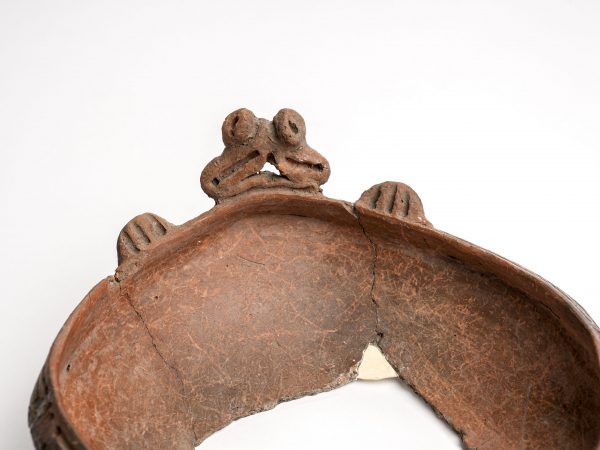
Behold, the ancient ones
Frogs date back more than 150 million years in the fossil record, and for centuries, the amphibians have been idolized…
Read More