Key points
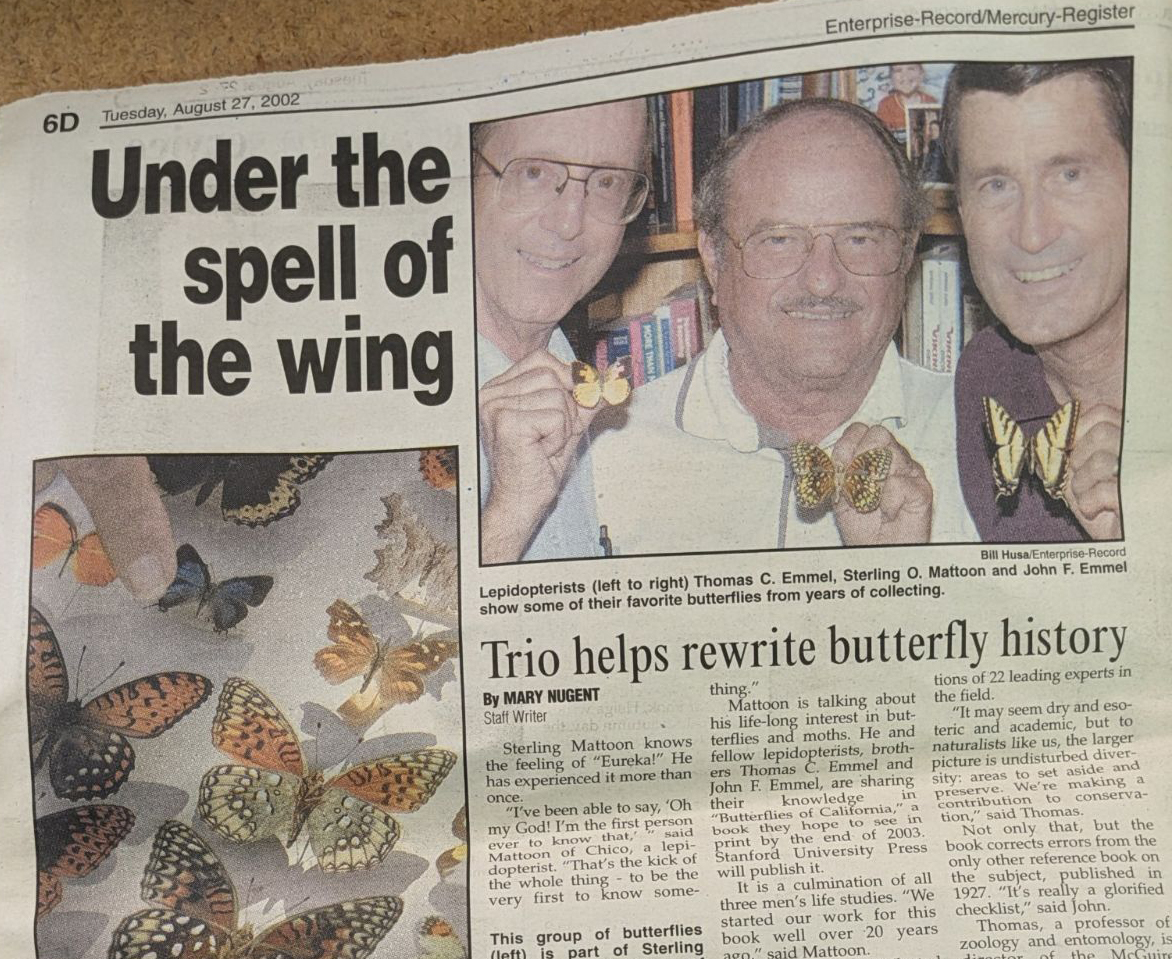
- The Florida Museum of Natural History recently published “The Butterflies of California.” The book was co-written by the late Thomas Emmel (1941-2018), a founder and curator of the museum’s McGuire Center for Lepidoptera and Biodiversity, and two of the Center’s research associates: Tom’s brother, John Emmel (1944-2022) of Hemet, CA, and Sterling Mattoon (1932- ) of Chico, CA.
- All three authors started collecting and studying California butterflies as children and continued to do so throughout their lives. Their work on the book began in 1974 and was nearly complete, but it remained unpublished following the recent deaths of Tom and John Emmel.
- The book draft is now available for free online and contains a history of butterfly collection and research in California, sections on the state’s geology, climate and plant communities, and detailed accounts of nearly 200 species and more than 400 subspecies.
In 1973, brothers Thomas and John Emmel published “The Butterflies of Southern California.” The elder Emmel, Tom, had recently completed his doctoral degree at Stanford University and was working as a biology professor at the University of Florida. His brother John graduated from University of California, San Francisco, with a medical doctorate in 1971 and had just moved to Santa Monica with his wife to begin a residency at the Wadsworth Veterans Administration Hospital.
Both men were consummate naturalists, with a special fondness for butterflies that they’d developed early in their adolescence with support from their parents. From their home base in Los Angeles, the family made regular camping excursions to national parks, and their mother drove the boys to entomology conferences held at the Los Angeles County Museum of Natural History.
The brothers began publishing research articles together on the topic of butterfly ecology when John was still a teenager, and they didn’t stop. Between 1961 and 1973, they co-authored 21 manuscripts, with a primary focus on the diversity and life histories of butterflies in western North America.
After finishing their book on California butterflies, their diverging careers, the demands of John’s family life, and the geographical constraints of working on opposite ends of the country could have ended the brothers’ collaboration. But to assume such would be to underestimate their seemingly limitless passion and capacity for learning about the natural world.
“They both had a remarkable energy and drive,” said Andrei Sourakov, a collection coordinator at the McGuire Center for Lepidoptera and Biodiversity, which Thomas Emmel helped establish in 2004. “But their approaches were very different. While Tom chose Lepidoptera as a career, conducted field work around the world, wrote numerous popular books and engaged in a variety of projects, from population genetics work in Colorado to conservation-related work in Florida, John focused exclusively on the taxonomy, biogeography and ecology of Californian butterflies. John spent all his evening, weekends and vacations on his passion for butterflies, which he pursued as a hobby but with more dedication and methodology than most professionals would.”
Florida Museum photo by Kristen Grace
“The Butterflies of Southern California” was well received, and a community of scientists and people who spent their free time chasing butterflies encouraged them to expand their focus to the entire state. The Emmel brothers needed little convincing, and they found a willing collaborator in Sterling Mattoon, who grew up near the northern terminus of California’s Central Valley and had nurtured a fascination for butterflies since he was seven. Both John and Sterling continued exploring the most remote corners of the state, including its islands, and frequently did so together. Both maintained close contact and extensive correspondence with other members of lepidopterological community of Western North America. Tom, while busy with numerous academic pursuits, often served as a point person to see their joint work results through the publication process.
Like John, who worked at a private dermatology practice for almost 40 years, Sterling was not a professional Lepidopterist. Most of his career was spent working for the Butte County Agricultural Commissioner’s Office, but his time outside of work was dedicated in great measure to the collection and study of butterflies, an avocation he often shared with his wife.
“My favorite memory is when we were collecting in the Ferndale, CA area where we caught a fantastic species called Speyeria cybele. This unnamed subspecies was later named S. cybele eileenae after my wife, Eileen, who grew up in the Ferndale area. Eileen accompanied me on most of my outings over our married lifetime and became an excellent field biologist,” Sterling wrote.

Florida Museum photo by Kristen Grace
John also enjoyed the strong support of his wife, Phyllis, in his butterfly studies. “Much of our family life revolved around John’s scientific interest in butterflies, and I tried to make sure that he had the time for his studies,” she said. In 1981, John named a butterfly subspecies in her honor, calling it the Phyllis’ Swallowtail. In the paper he wrote, “I take great pleasure in naming this subspecies after my wife…who has provided abundant support and encouragement for my studies of the P. indra complex.”
The Emmel brothers and Sterling officially began their work on “The Butterflies of California” in 1974 and estimated it would take them five years to complete. This proved to be a slight miscalculation, as there was always another corner of the state to explore, another subspecies to describe and another life history to illustrate. Decades passed with no end in sight, and the project ultimately outlived two of its authors, Tom and John, who passed away in 2018 and 2022, respectively.
“Yet, short of the illustrations and a few other minor details, the manuscript was practically completed, and many lepidopterists awaited its publication with anticipation,” Sourakov said. “It would have been a shame if it had never seen the light of day.”
Now, more than 50 years after they began, the book draft has officially been published online and is freely available to the public. In its current form, the book clocks in at 854 pages, though it remains incomplete.

The manuscript contains a detailed history of butterfly collections made by Europeans in the region, which originated not with its longtime Spanish colonists but instead with Russian explorers who sailed down out of Alaska in the 18th and 19th centuries. Aspiring prospectors the world over descended on the region not long after. Most of them never found enough gold to cover even their meager living expenses, but among these, at least one — Pierre Joseph Michael Lorquin — made a fruitful career as a butterfly catcher out of his dashed hopes for fabulously incommensurate wealth.
The list contains names and biographies for dozens of additional naturalists, with a few left blank at the time of publication. The book also has detailed notes on the geology, climate and plant communities of California — these being essential for the study of butterflies — and a stark review of the effects humans have had on butterfly populations.
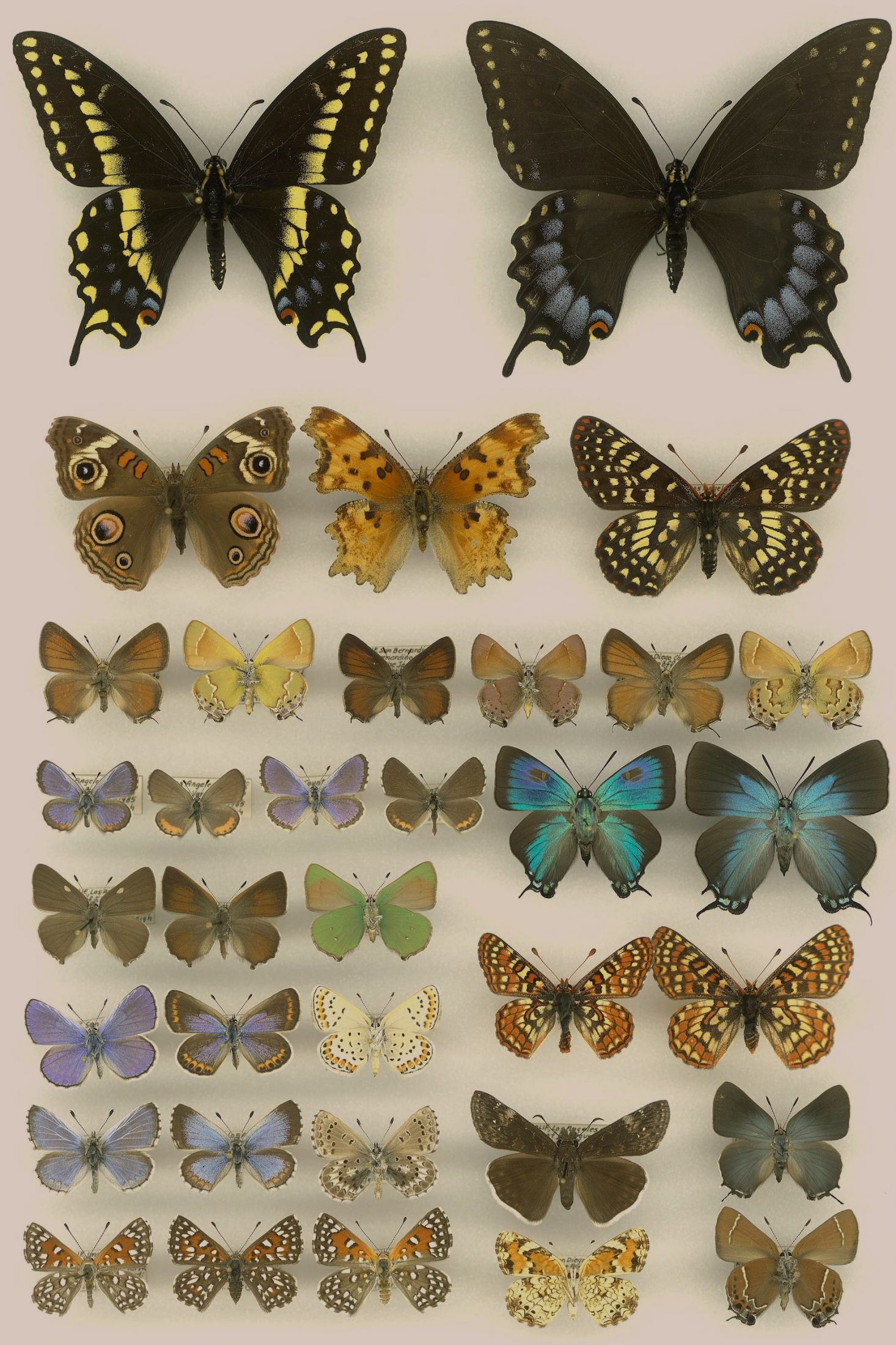
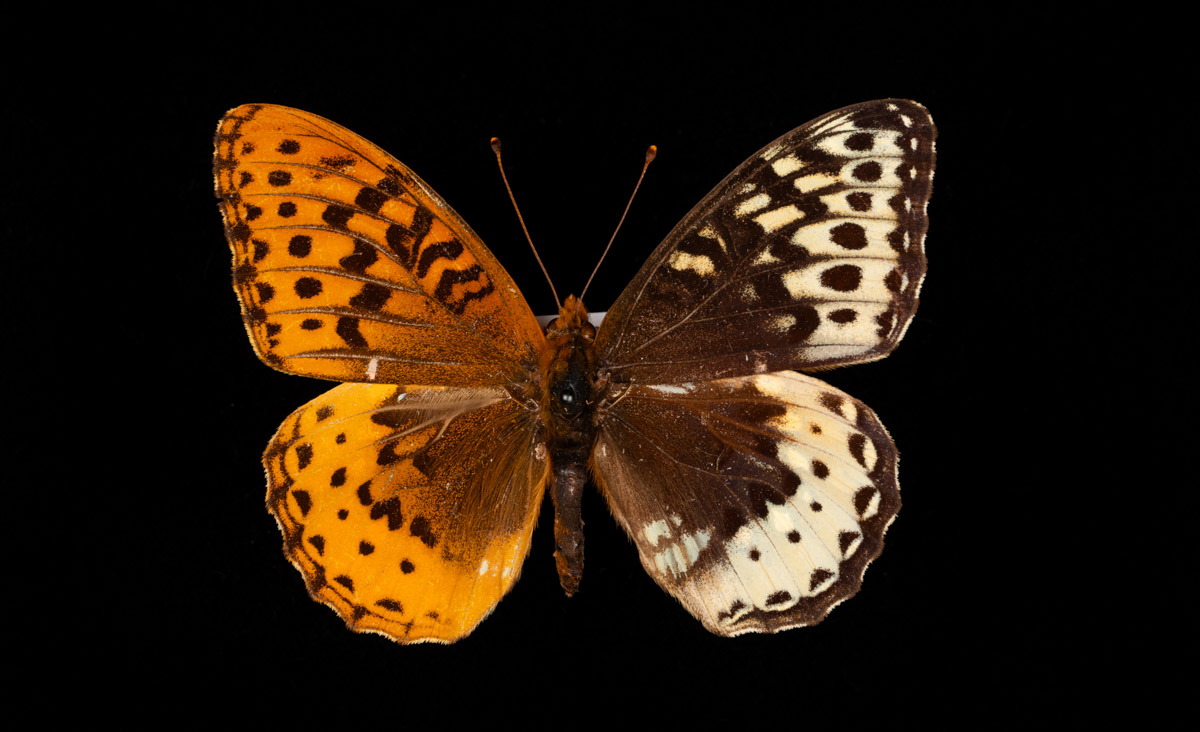
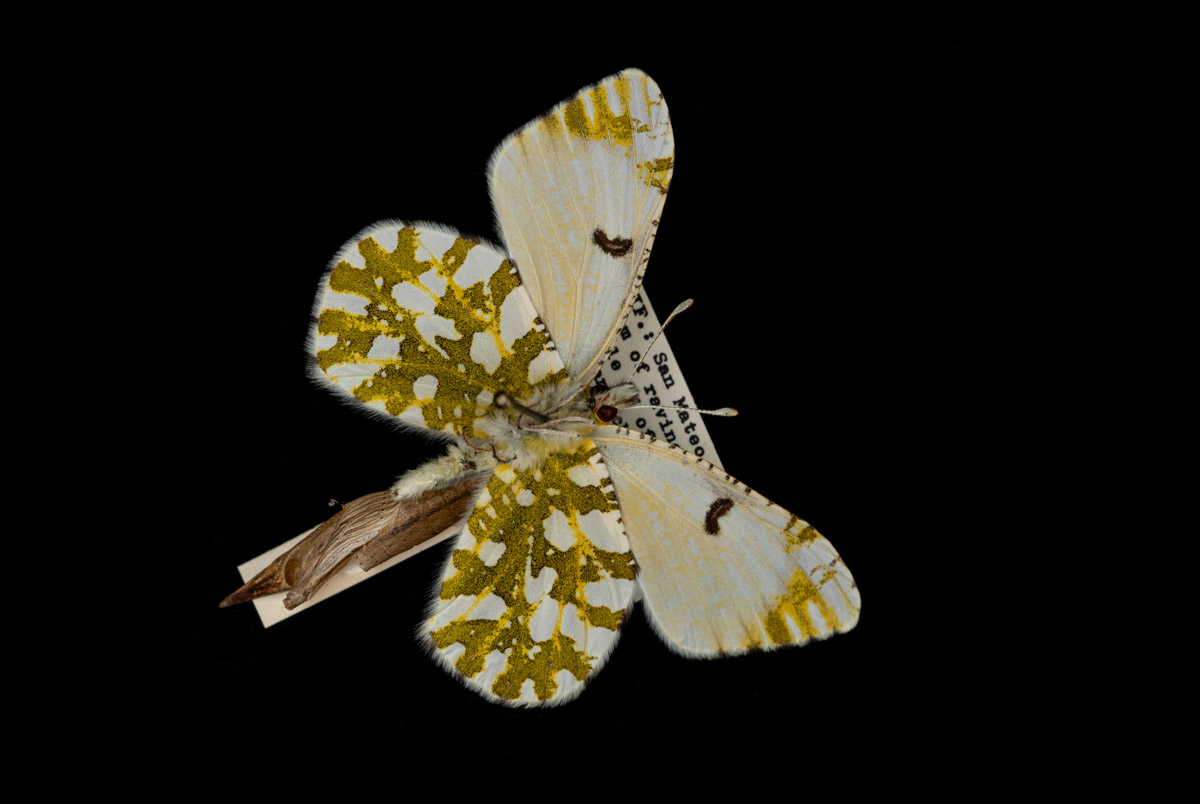
The rest of the book provides detailed accounts for some 200 California butterfly species and more than twice that number of subspecies. During their work on the book, the authors discovered and named several of the former and more than 100 of the latter. The accounts include firsthand observations of development and behavior made by John Emmel and Mattoon, which they acquired by rearing most of the species, from eggs through the caterpillar and pupal stages and on to their metamorphoses into butterflies. This required obtaining live specimens of butterflies and their host plants from across the state and figuring out their growth requirements through a painstaking process of trial and error. This step is one of the primary reasons for what the authors refer to as the project’s long “gestation.”
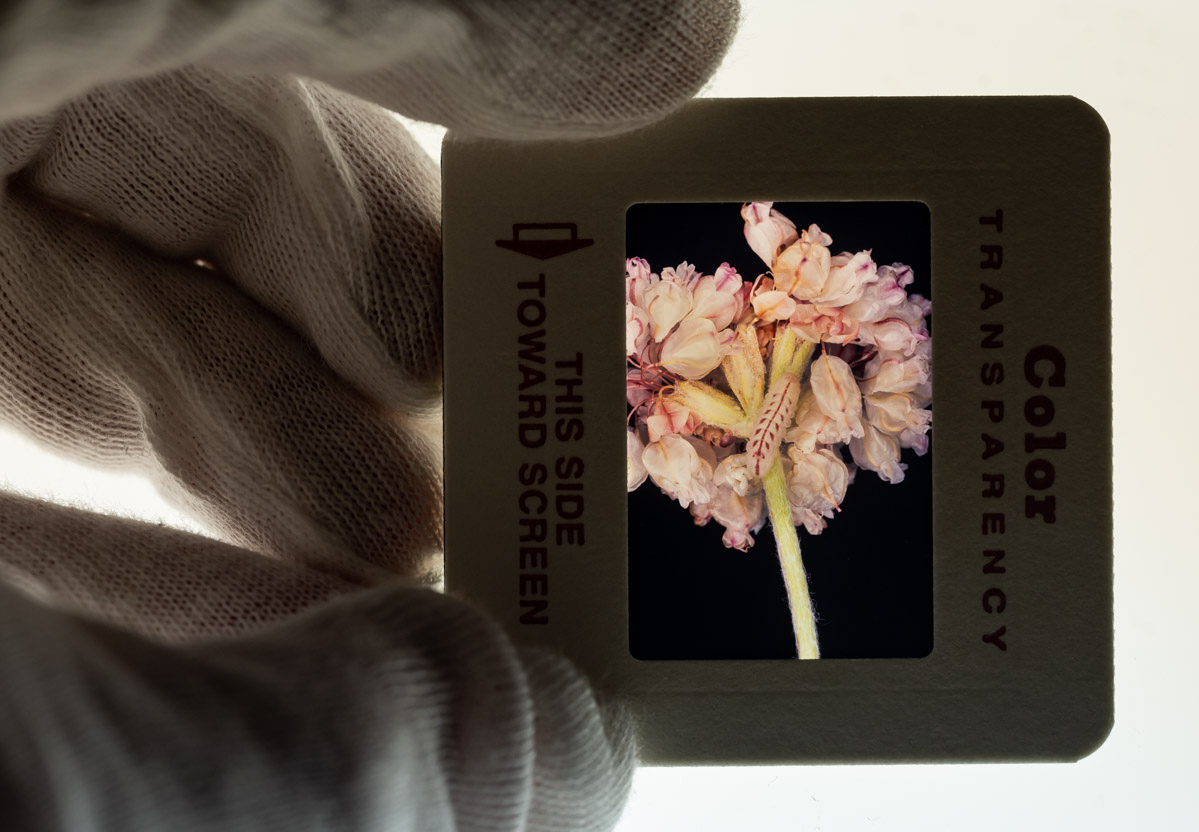
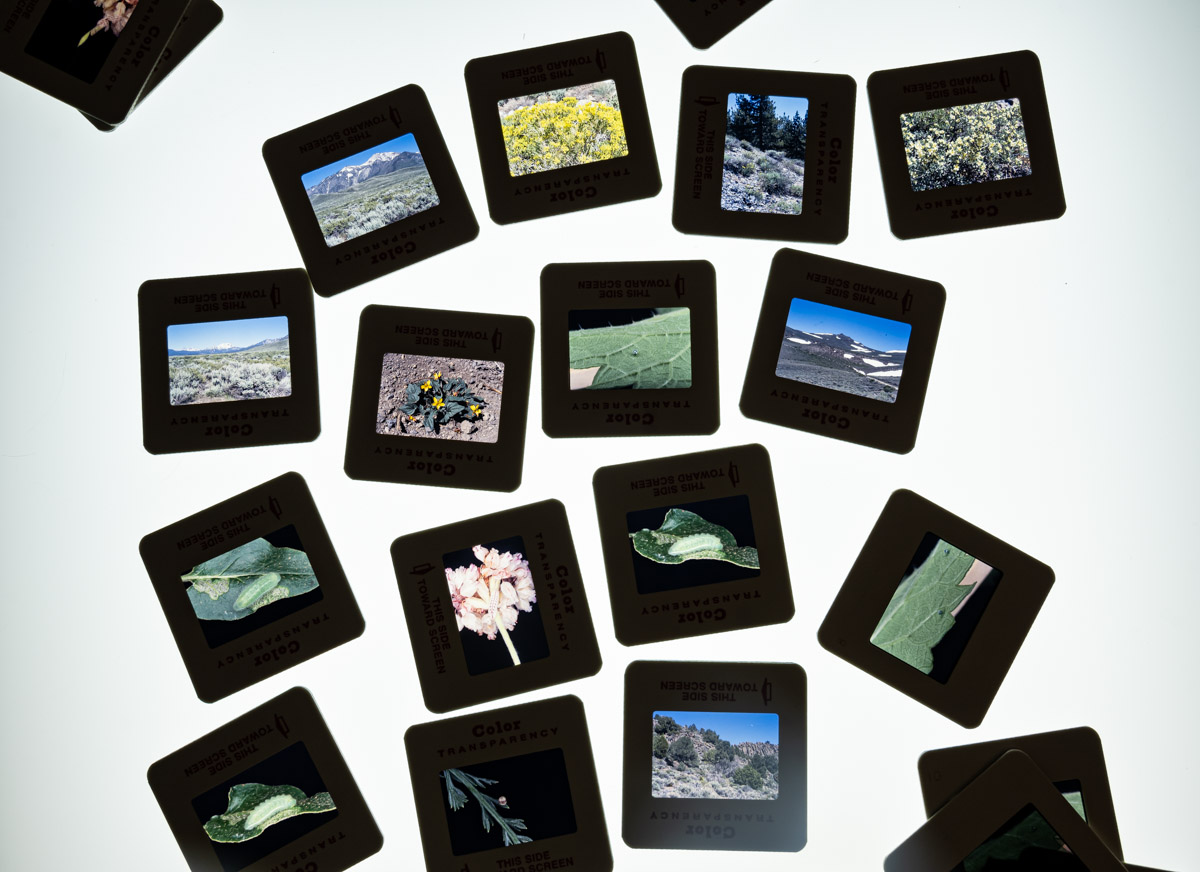
It should be noted that taxonomic field guides often become outdated soon after they’re published. Scientists are constantly finding new species and deriving an increasingly more accurate picture of how they are related to each other. The distribution of species changes over time, and knowledge gaps are filled in by younger generations of naturalists who are handed the baton by their predecessors in the endless scientific relay race of curiosity and personal discovery.
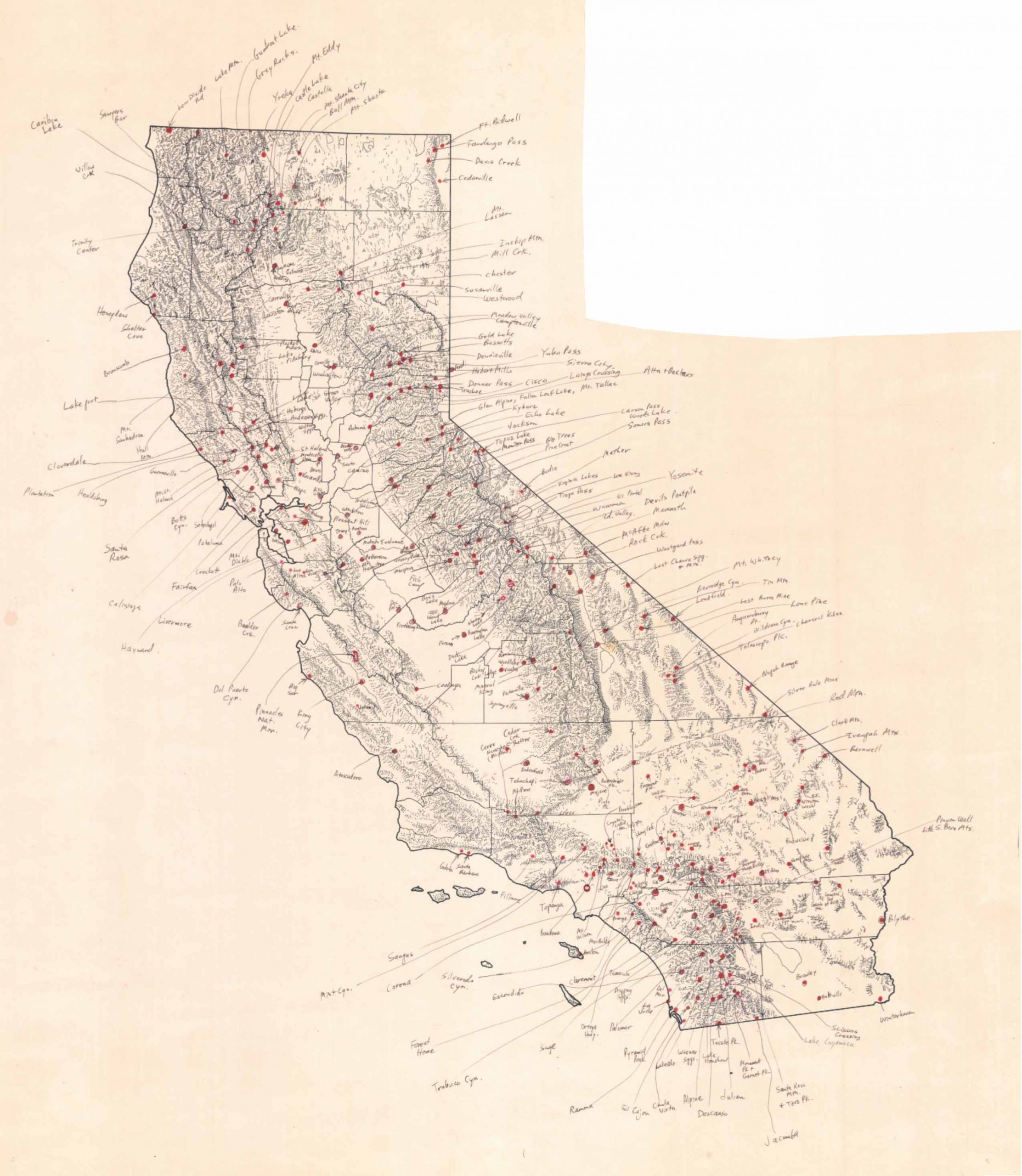
Image from "The Butterflies of California."
All the while, the value of books such as these only increases. They are faithful records of our planet’s past and a solid foundation of knowledge for all the work that comes after.
The authors embraced this spirit of continuity. In the last paragraph of the book’s preface, they wrote: “We also hope the appearance of this book will generate a great many independent publications on life histories, foodplant records, and all the basic ecology, behavior, genetics, and evolutionary biosystematic work that a basic knowledge of the California fauna should stimulate and encourage.”
The book is available on the Florida Museum’s website.
Source: Andrei Sourakov, asourakov@flmnh.ufl.edu
Media contact: Jerald Pinson, jpinson@flmnh.ufl.edu, 352-294-0452