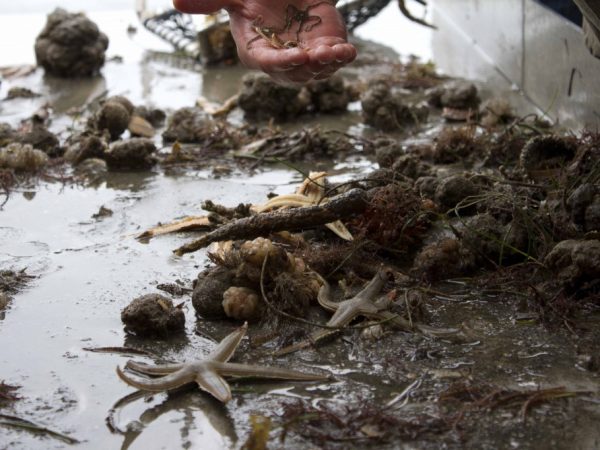
First BioBlitz at Seahorse Key
During the winter holidays every year, hundreds of “snowbirds” travel from the northern U.S. and Canada for the warmth of…
Read More
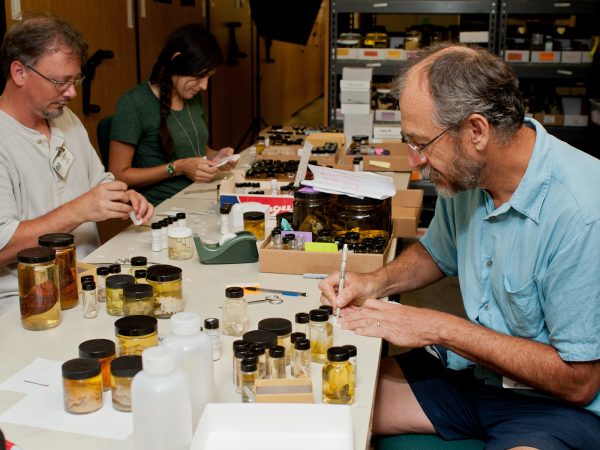
Museum receives $339,000 to digitize invertebrate collections
Florida Museum of Natural History invertebrate zoology researchers recently received a National Science Foundation grant to further digitize the department’s…
Read More
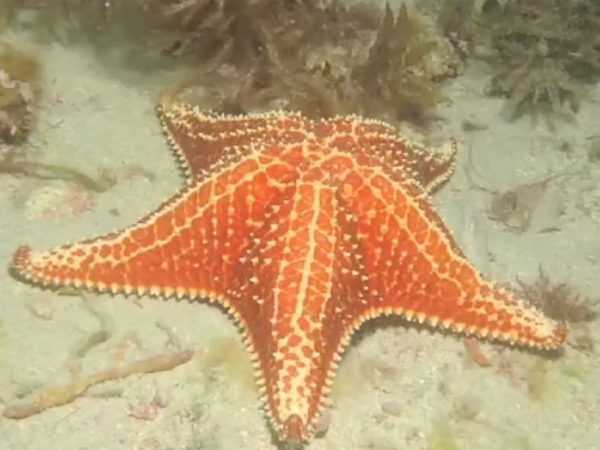
Florida’s Gulf Coast Marine Biodiversity
Florida Museum of Natural History invertebrate zoology curator Gustav Paulay discusses his mission to fully document the marine biodiversity of…
Read More
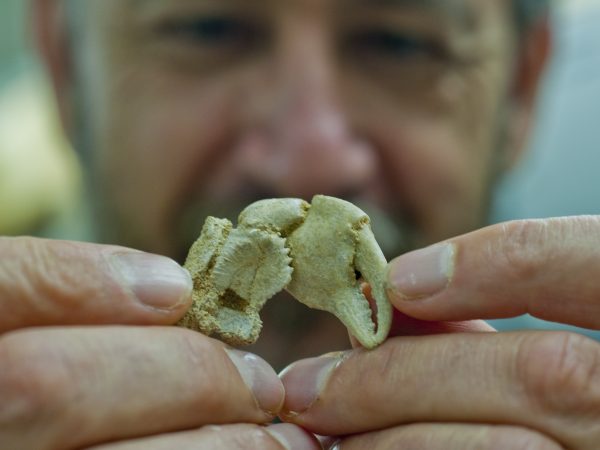
Oceanic land crab extinction linked to colonization of Hawaii
University of Florida researchers have described a new species of land crab that documents the first crab extinction during the…
Read More
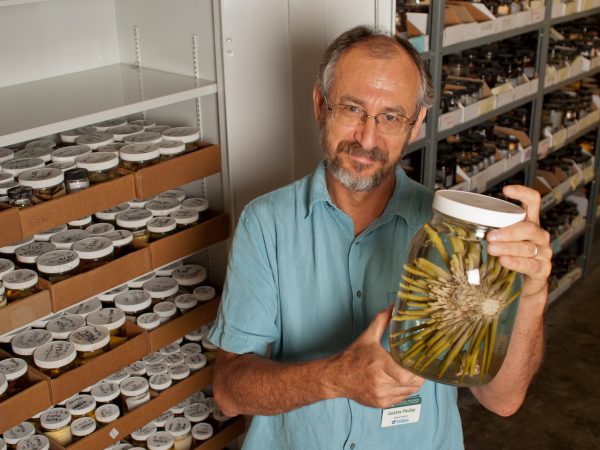
Researchers begin mission Friday to study Gulf of Mexico biodiversity
A group of 23 researchers led by Florida Museum scientist Gustav Paulay will leave from St. Petersburg Friday on an expedition to…
Read More
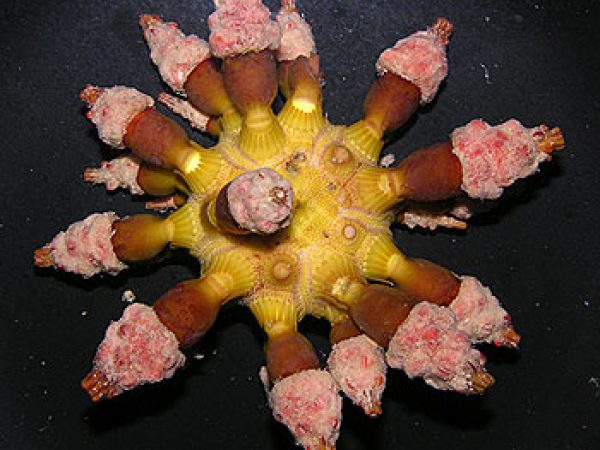
DNA sequenced for entire Pacific island
Florida Museum of Natural History researchers are collecting marine invertebrates on the French Polynesian island of Moorea as part of…
Read More
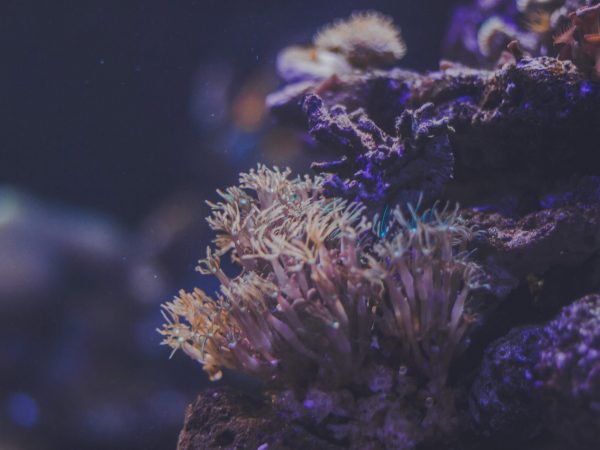
Racing to survey coral reefs
Around the globe,scientists are ringing alarm bells about coral bleaching—when corals expel their symbiotic, food-producing algae due to heat stress,…
Read More
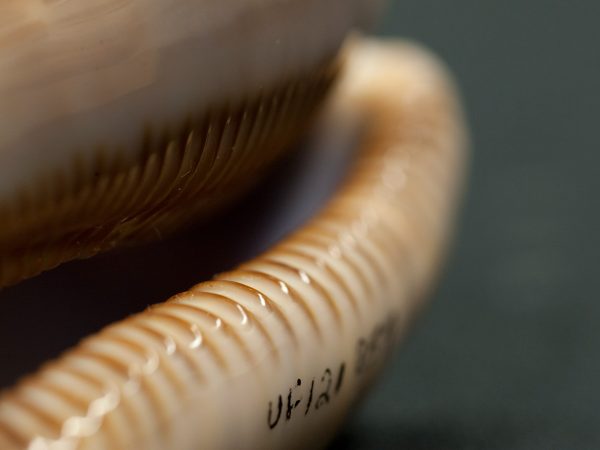
Validity of DNA ID tool measured using marine snails
A trendy holiday gift within a decade may be a hand-held device that instantly identifies any species from a snippet…
Read More
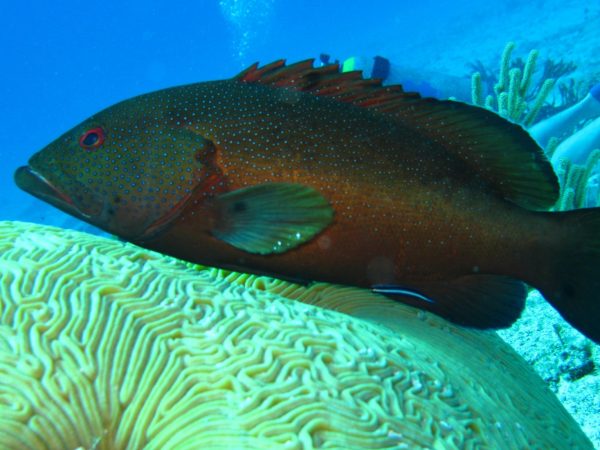
Atlantic corals unique, cannot be replaced if lost
The discovery that many Caribbean corals are only distantly related to their counterparts in the Pacific Ocean makes the threats…
Read More