Pleistocene Epoch
2.58 million to 11,700 years ago
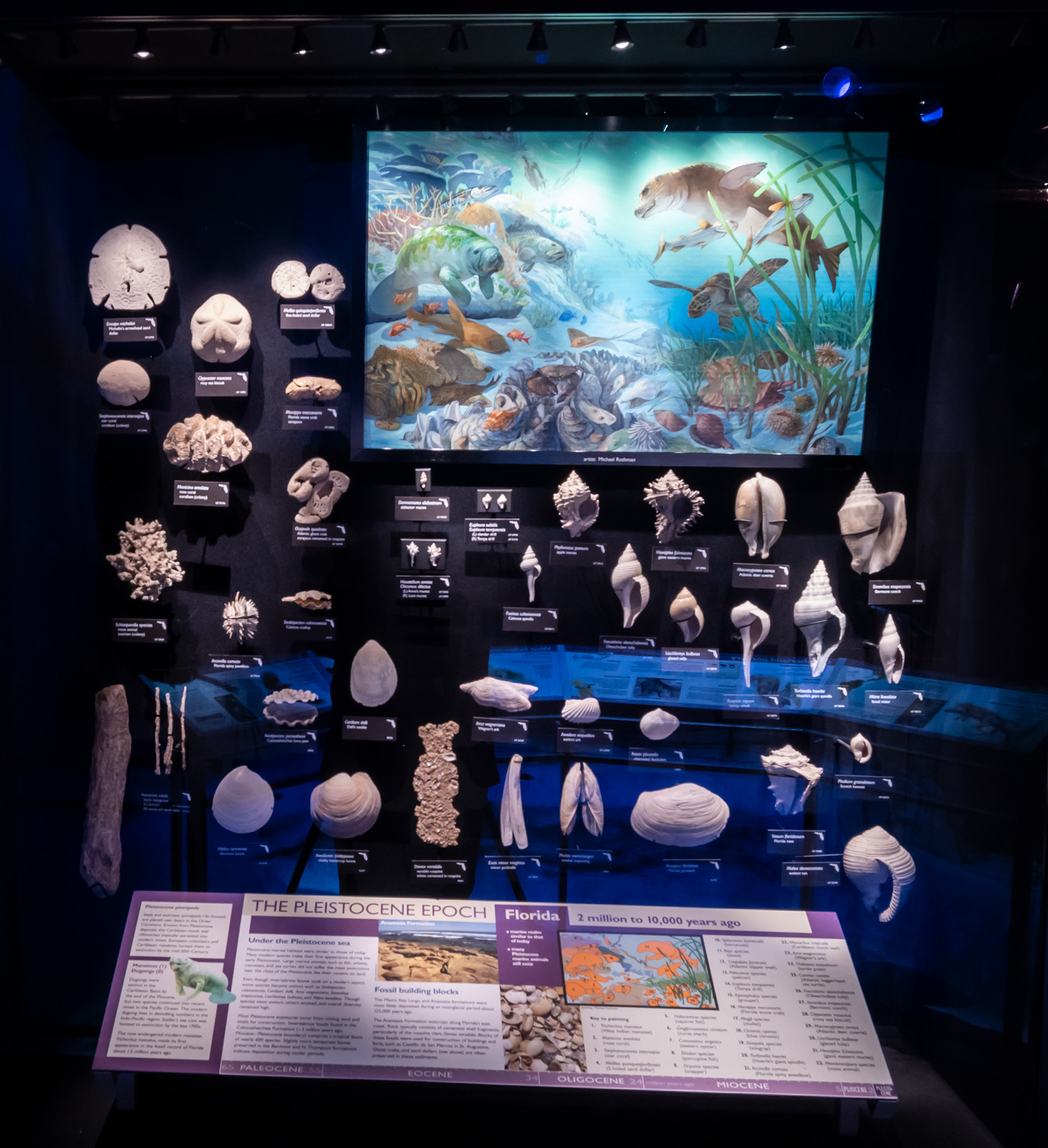
During the Pleistocene, global temperatures changed dramatically which made sea levels rise and fall. These changing sea levels exposed different areas of the Florida peninsula. This would also greatly affect marine life in the waters surrounding our state. The warm waters along the gulf coast protected some habitats from the coldest temperatures. Explore some of the marine animals of Florida’s Pleistocene:

This painting was commissioned from artist Michael Rothman for our Florida Fossils exhibit. Learn about the Pleistocene animals represented:

- Trichechus manatus (West Indian manatee)
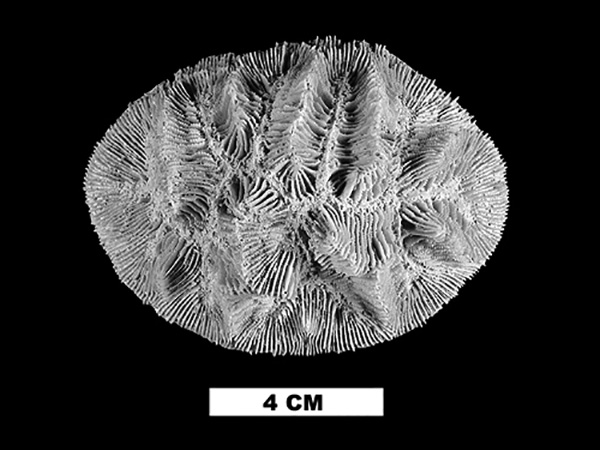
- Manicina areolata (rose coral)
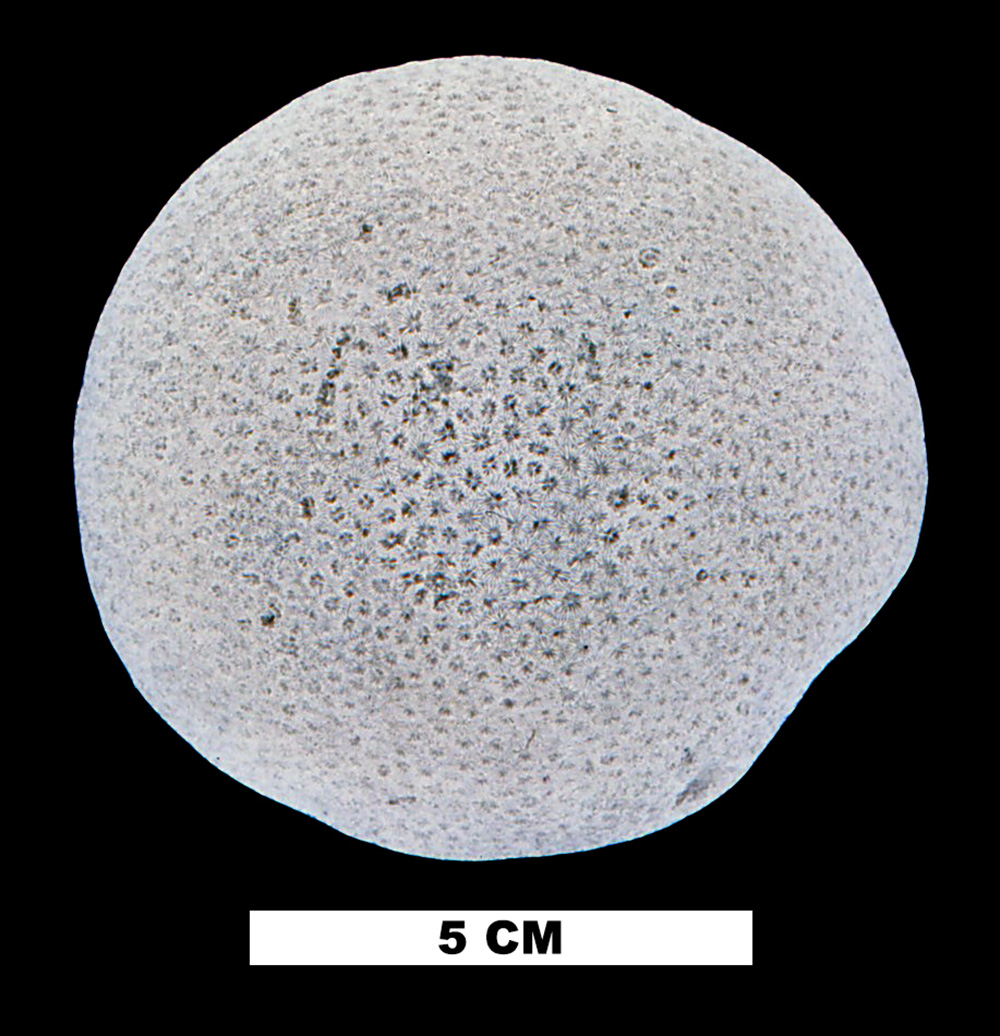
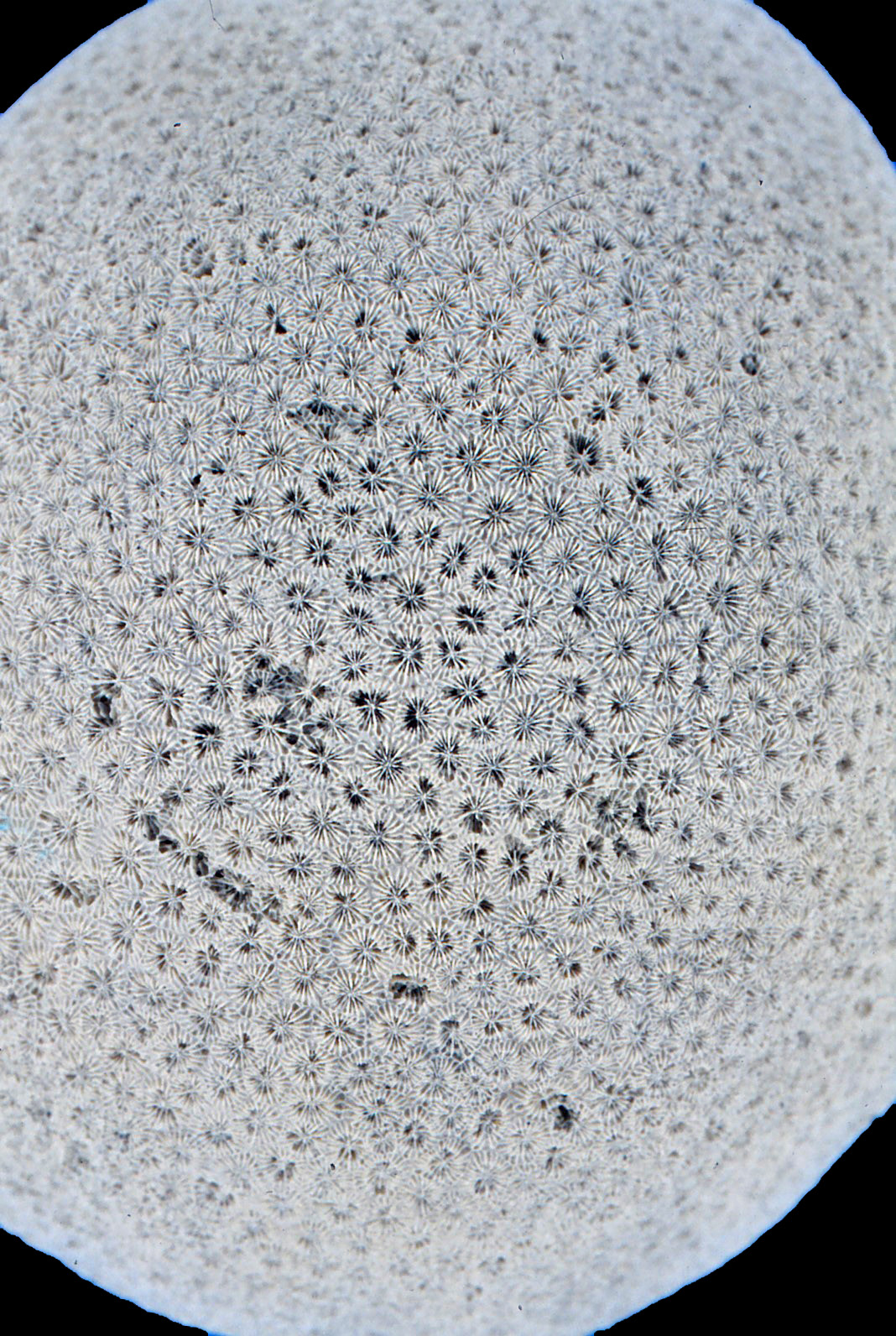
- Stephanocoenia intersepta (star coral)
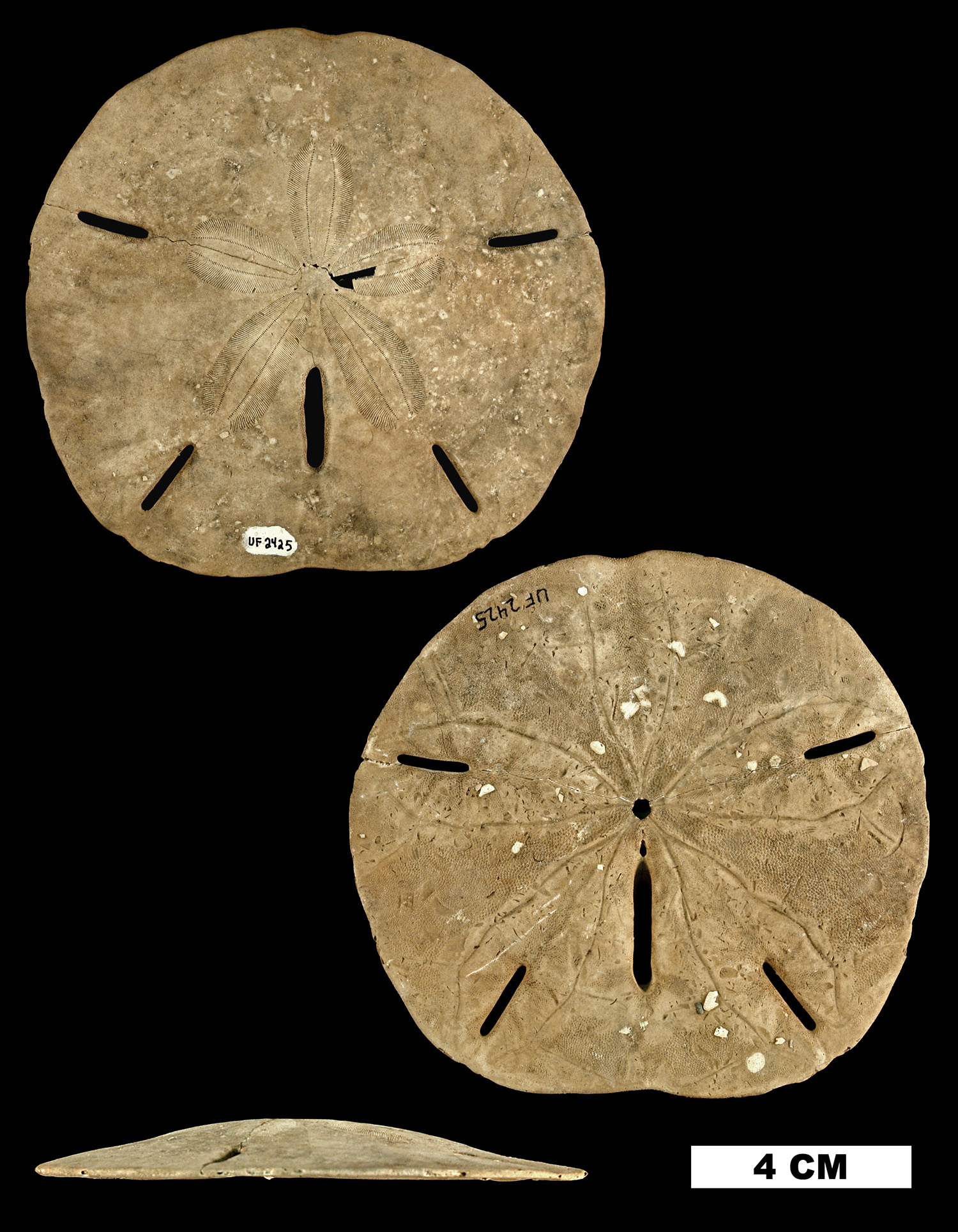
- Mellita quinquesperforata (5-holed sand dollar)
- Holocentrus species (squirrel fish)
- Ginglymostoma cirratum (nurse shark)
- Crassostrea virginica (eastern oyster)
- Diodon species (porcupine fish)
- Ocyurus species (snapper)
- Sphyraena barracuda (barracuda)
- Raja species (skate)
- Crepidula fornicata (Atlantic slipper shell)
- Pelecanus species (pelican)
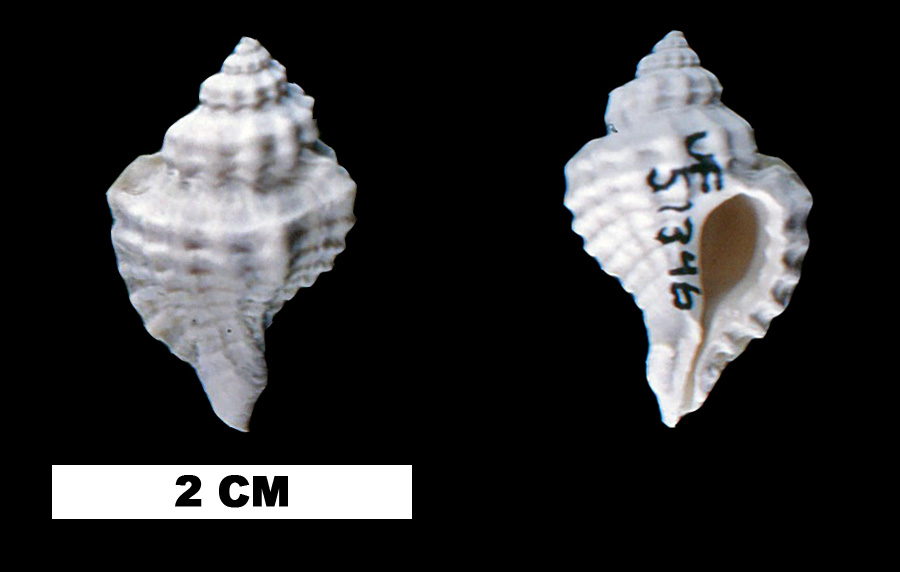
- Eupleura tampaensis (Tampa drill)
- Epinephalus species (grouper)
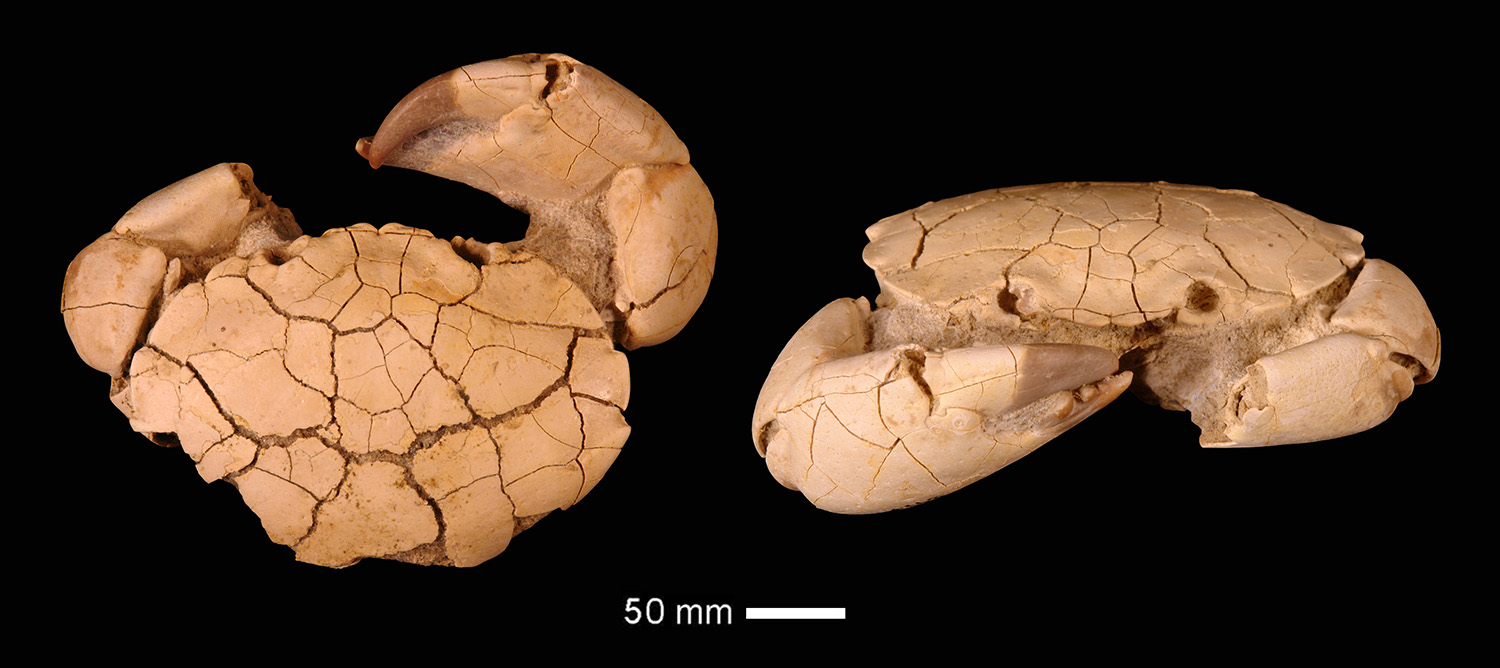
- Menippe mercenaria (Florida stone crab)
- Mugil species (mullet)
- Acanthurus coeruleus (Blue Tang)
- Dasyatis species (stingray)
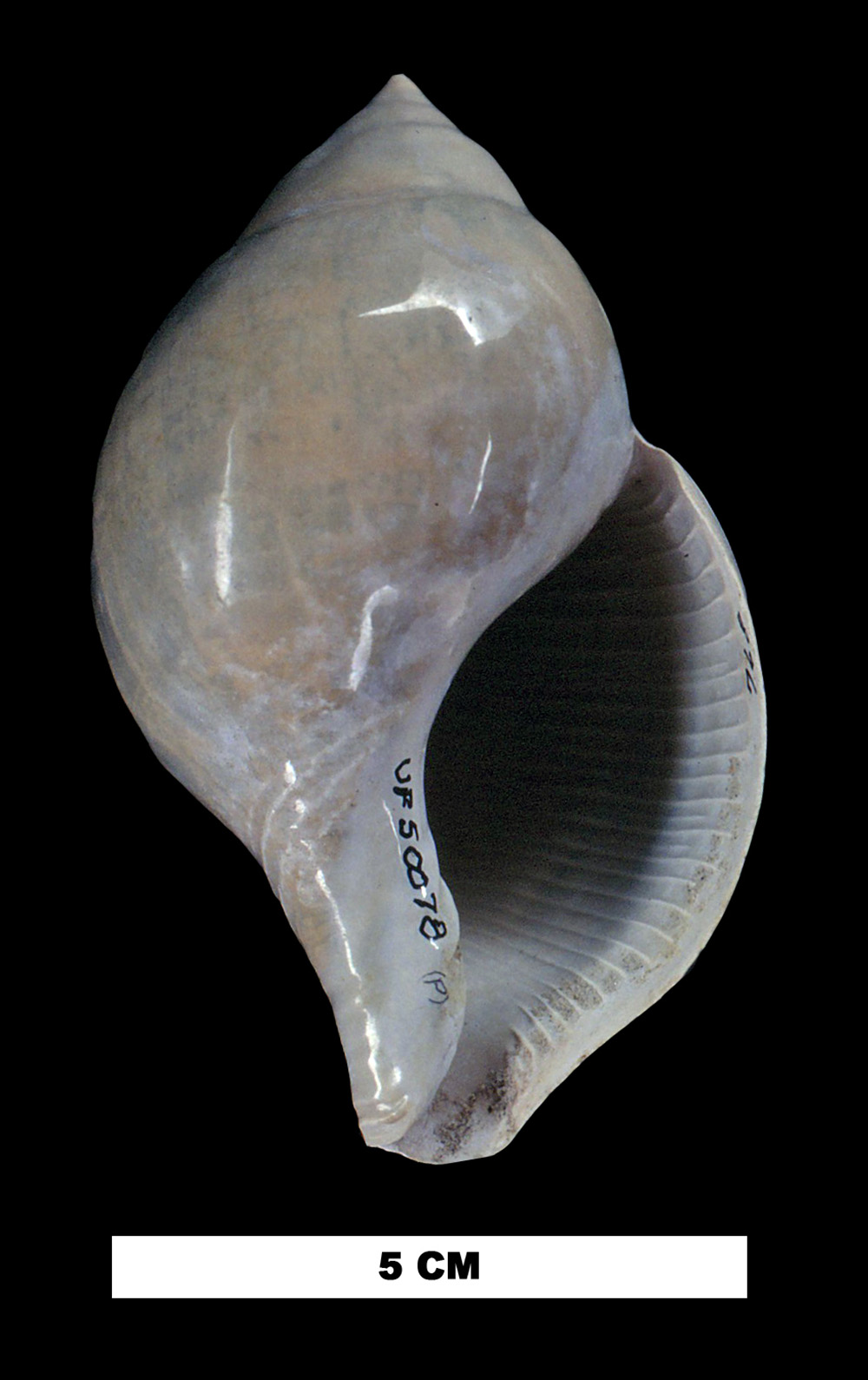
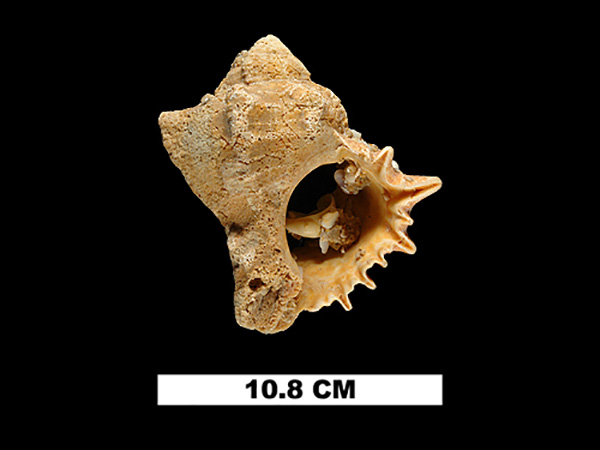
- Turbinella hoerlei (Hoerle’s giant spindle)
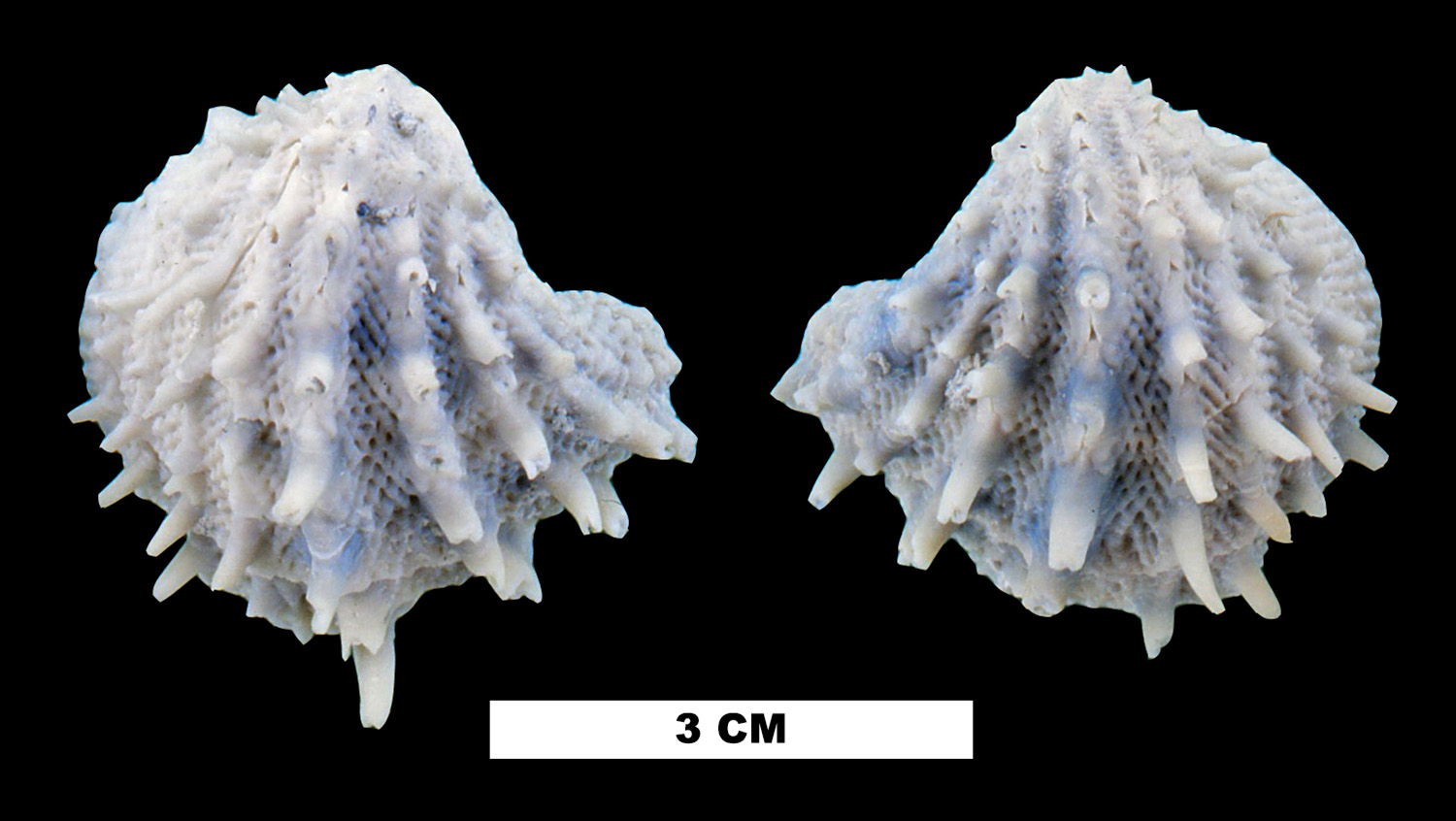
- Arcinella cornuta (Florida spiny jewelbox)
- Monachus tropicalis (Caribbean monk seal)
- Arca wagneriana (Wagner’s ark)
- Thalassia testudinum (turtle grass)
- Caretta caretta (Atlantic loggerhead sea turtle)
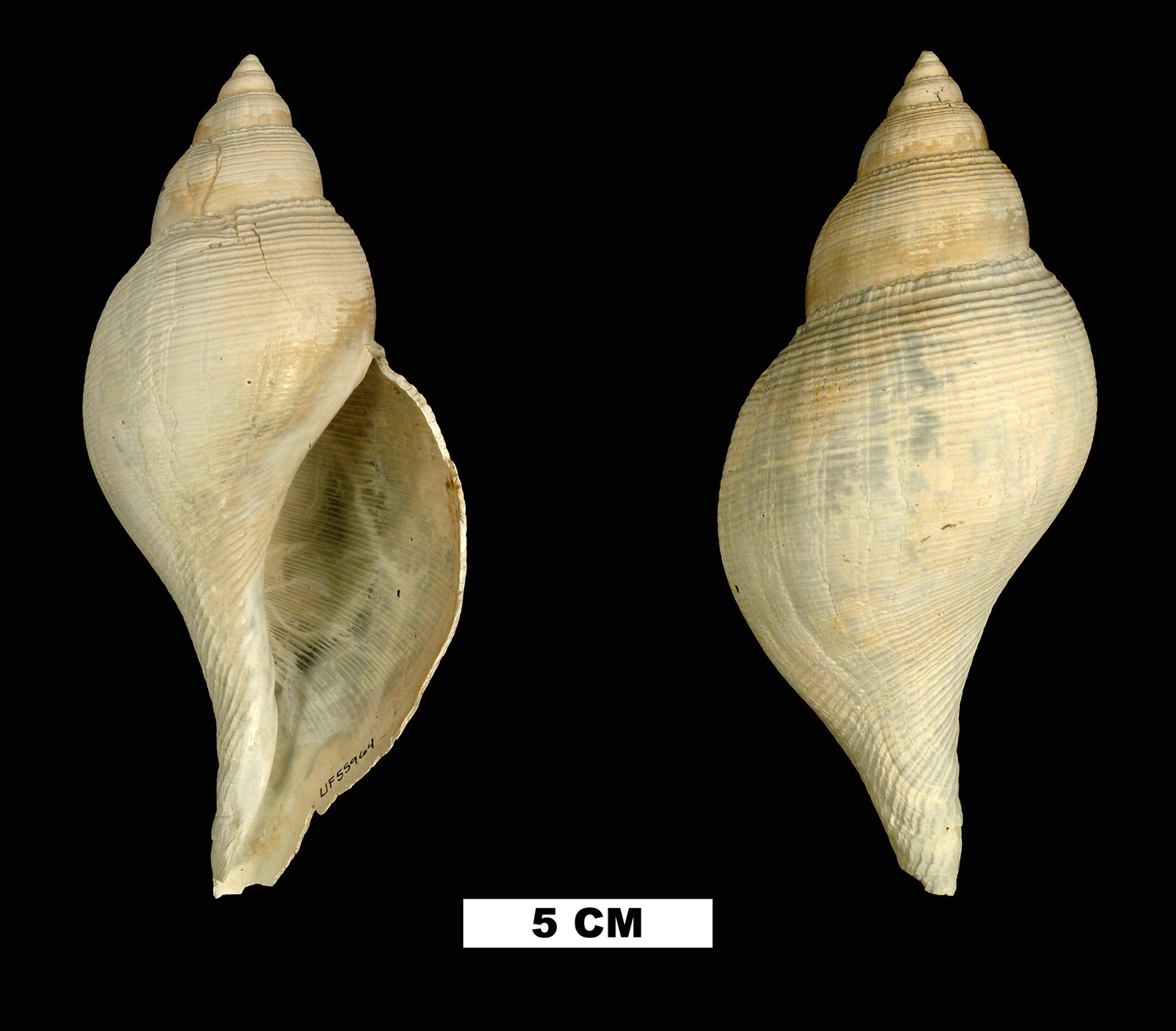
- Fasciolaria okeechobensis (Okeechobee tulip)
- Macrostrombus mayacensis (Bermont conch)
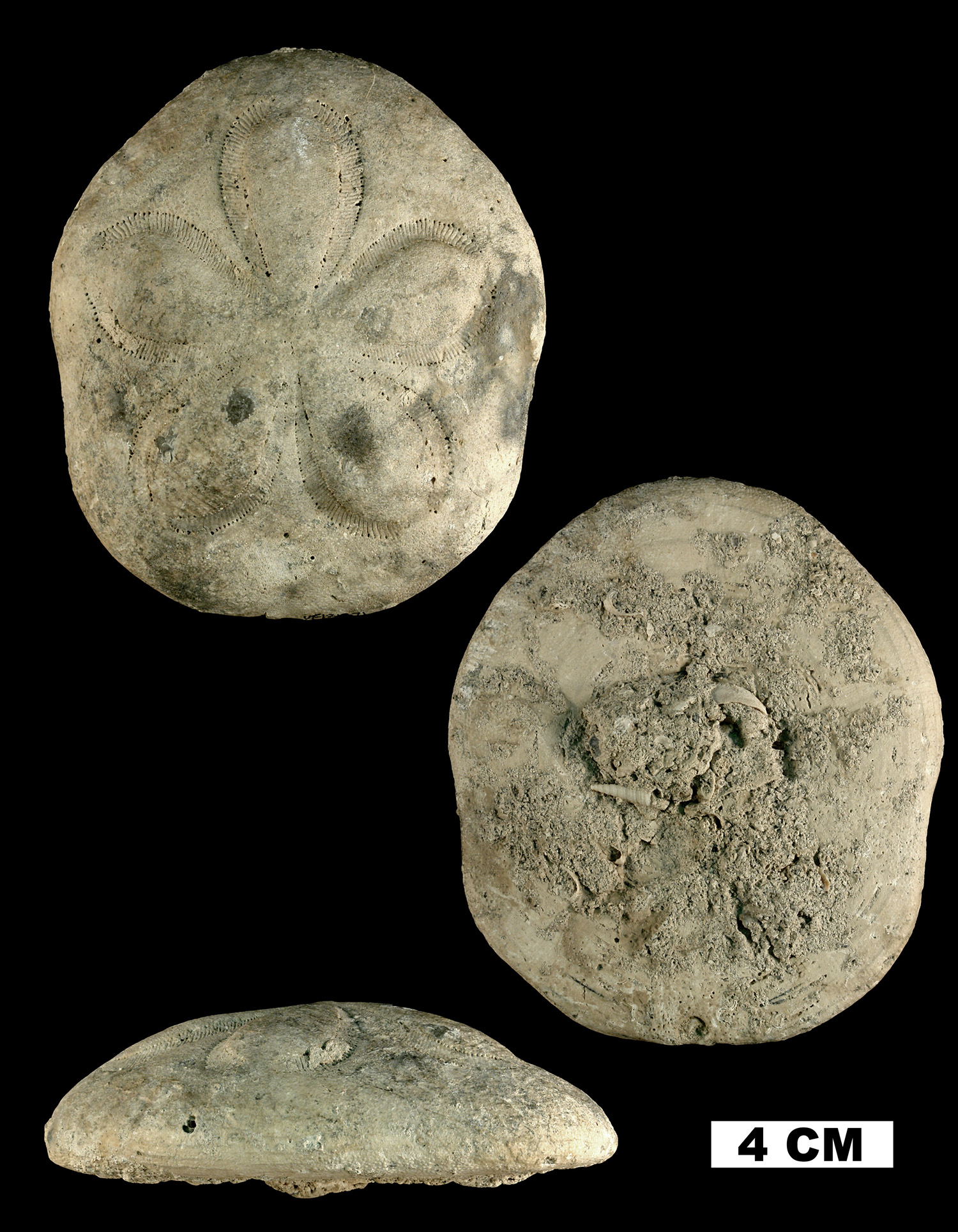
- Clypeaster rosaceus (rosy sea biscuit)
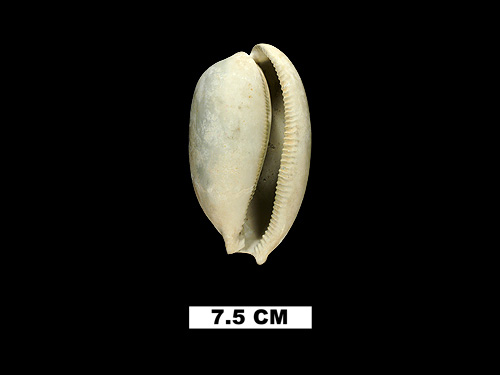
- Macrocypraea cervus (Atlantic deer cowrie)
- Liochlamys bulbosa (glazed tulip)
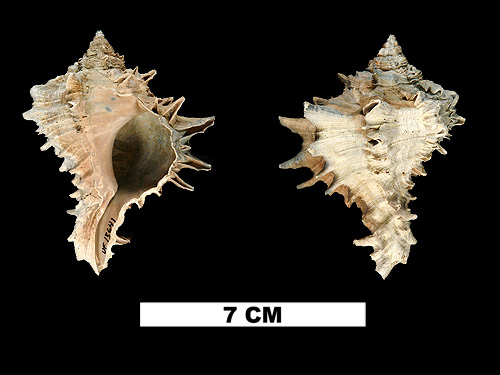
- Hexaplex fulvescens (giant eastern murex)
- Membranipora species (moss animal)
Highlights
The warmer waters along the gulf coast protected this area from the more extreme temperature changes brought on by the ice ages of the Pleistocene, and scientists have been able to learn about ocean conditions from an unusual record keeper. Similar to examining the rings on a tree, researchers can look at the growth layers on hard tissue like shells, a study called sclerochronology. These layers can inform us about how well the animal lived during its lifetime, including details like water temperature and food scarcity. Read about clam shell growth rings and the environment

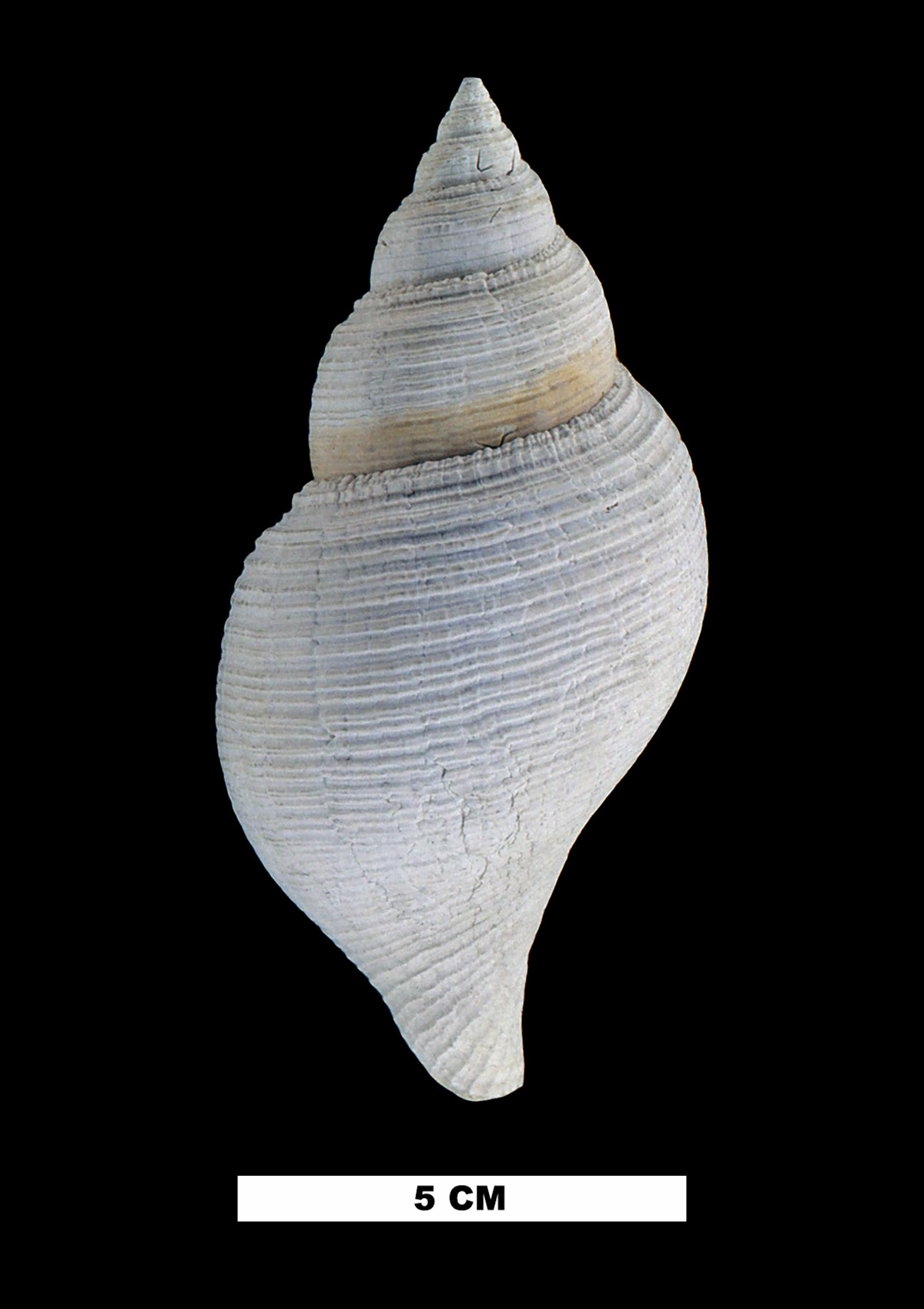
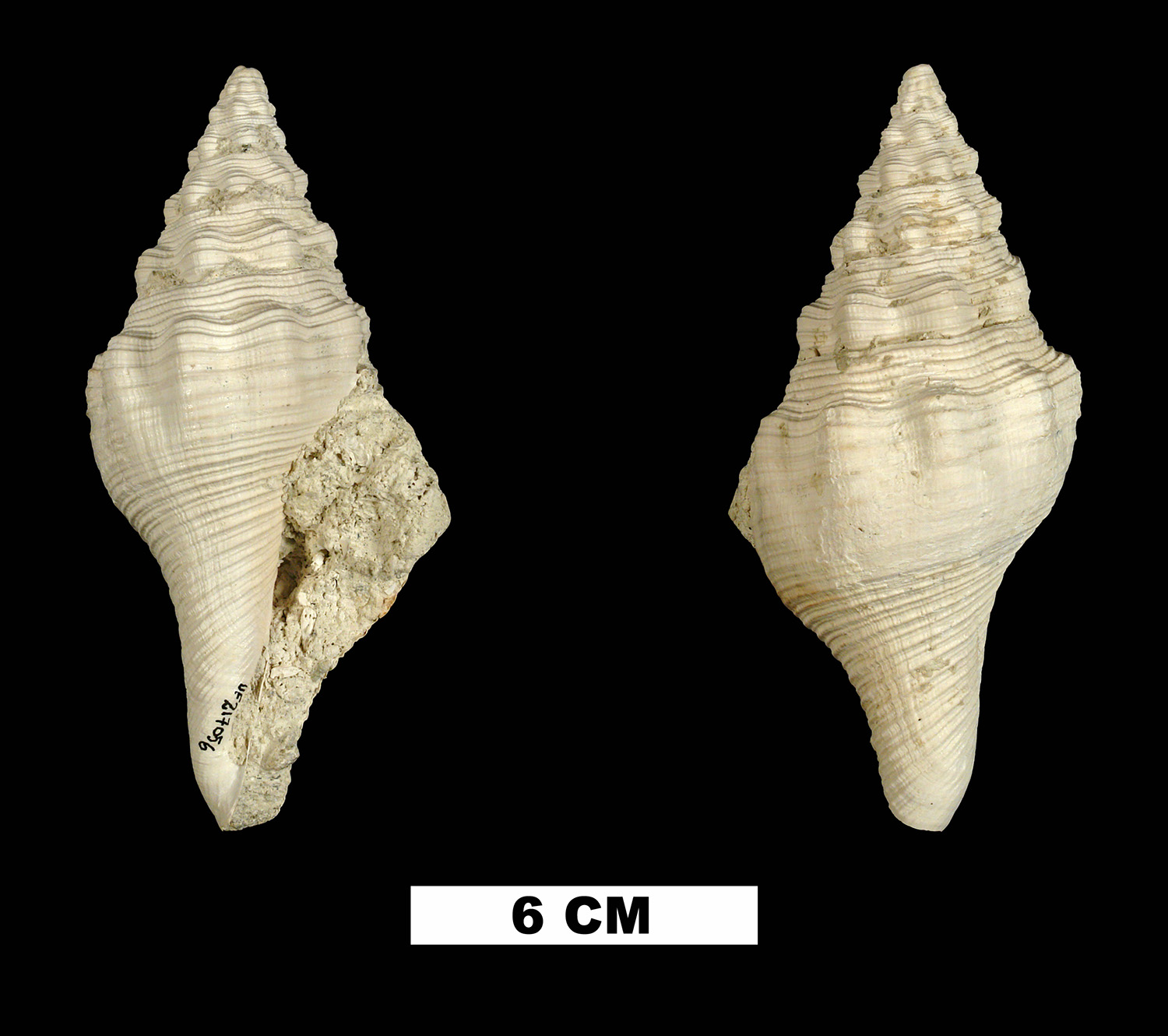

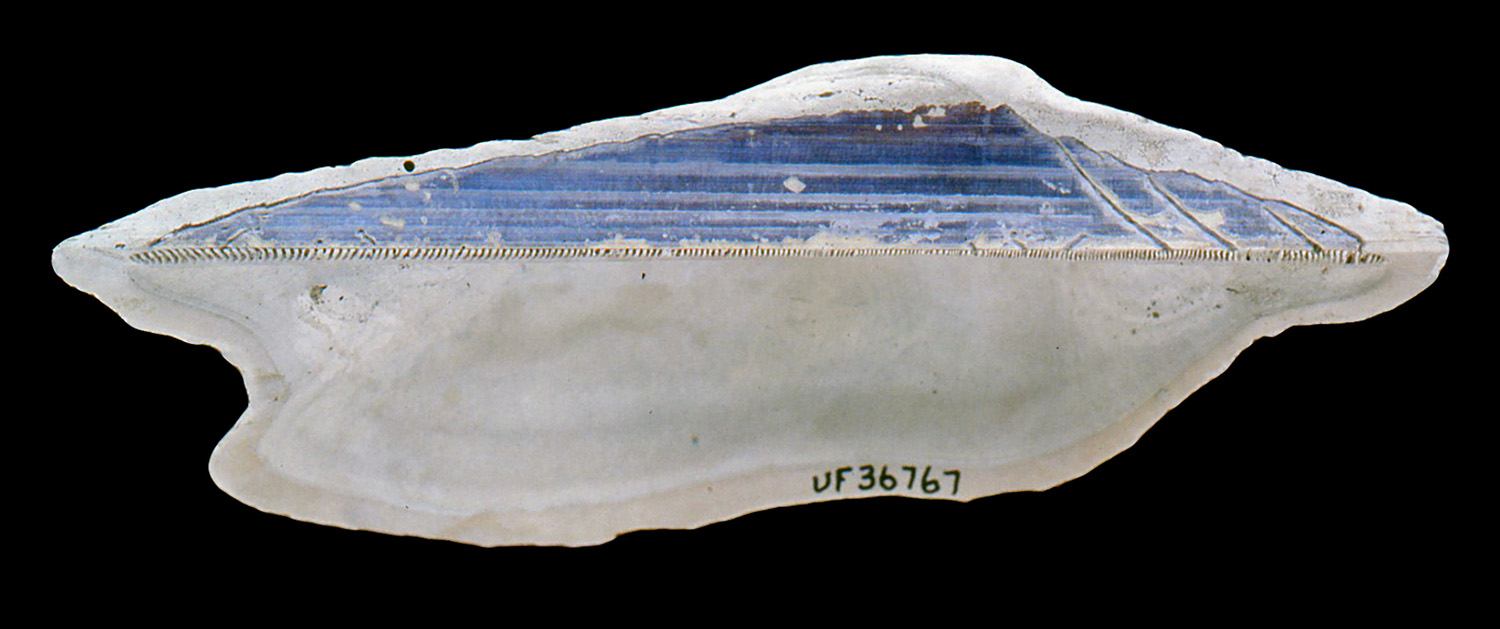
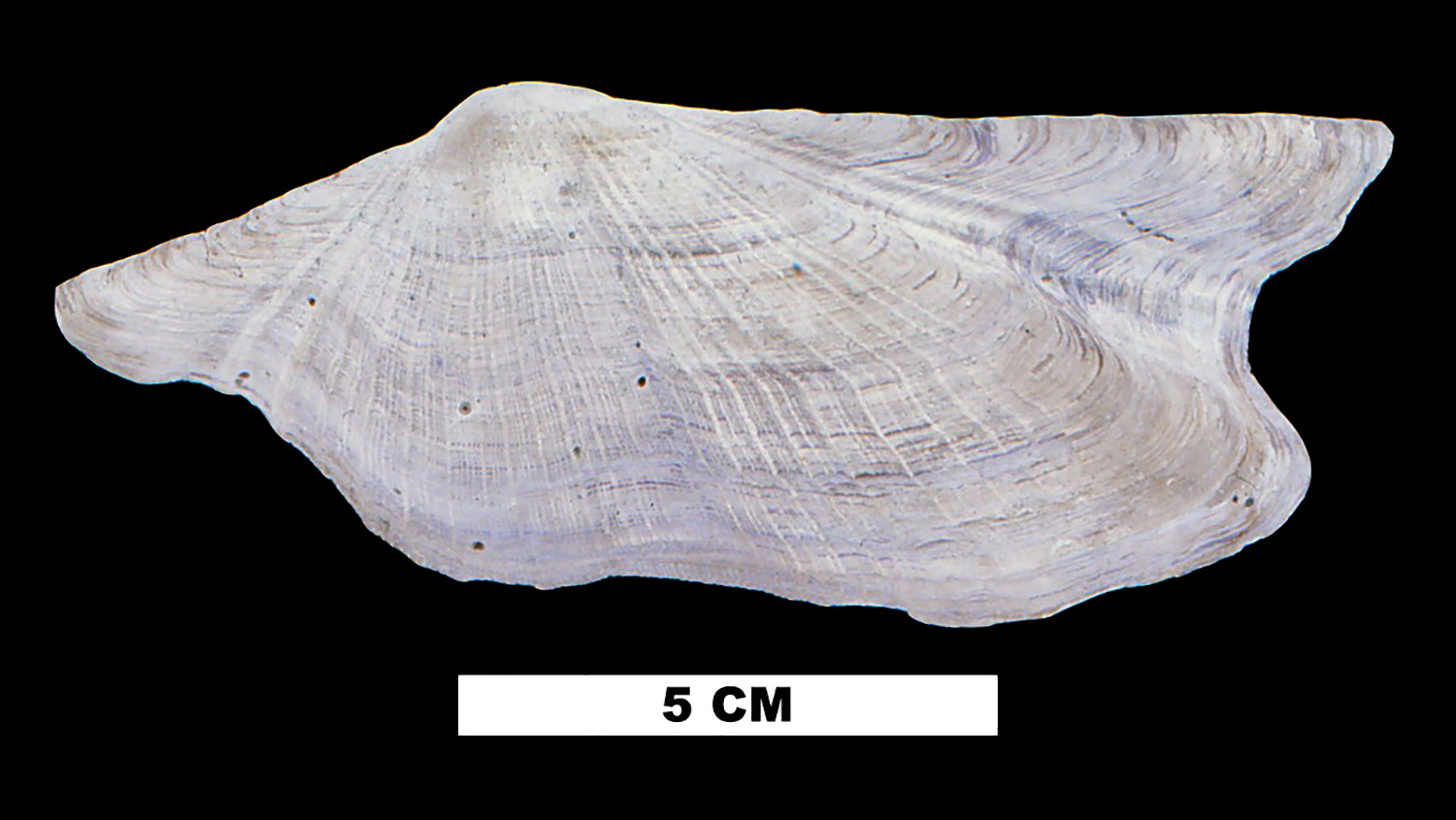
Paleontologists often find fossils of marine species at dig sites inland and can use these specimens to better understand the many changes to the peninsula’s coastline during this tumultuous epoch. Knowing the role each species plays in the food web and the ecosystem it thrives in today, helps scientist recreate the marine environments of the Pleistocene based on what they discover in the fossil record. From corals to sea biscuits to bivalves to crabs, each species present at a location tells us how that habitat would have appeared while they were alive. Read about a fossil slab of scallops and sea urchins
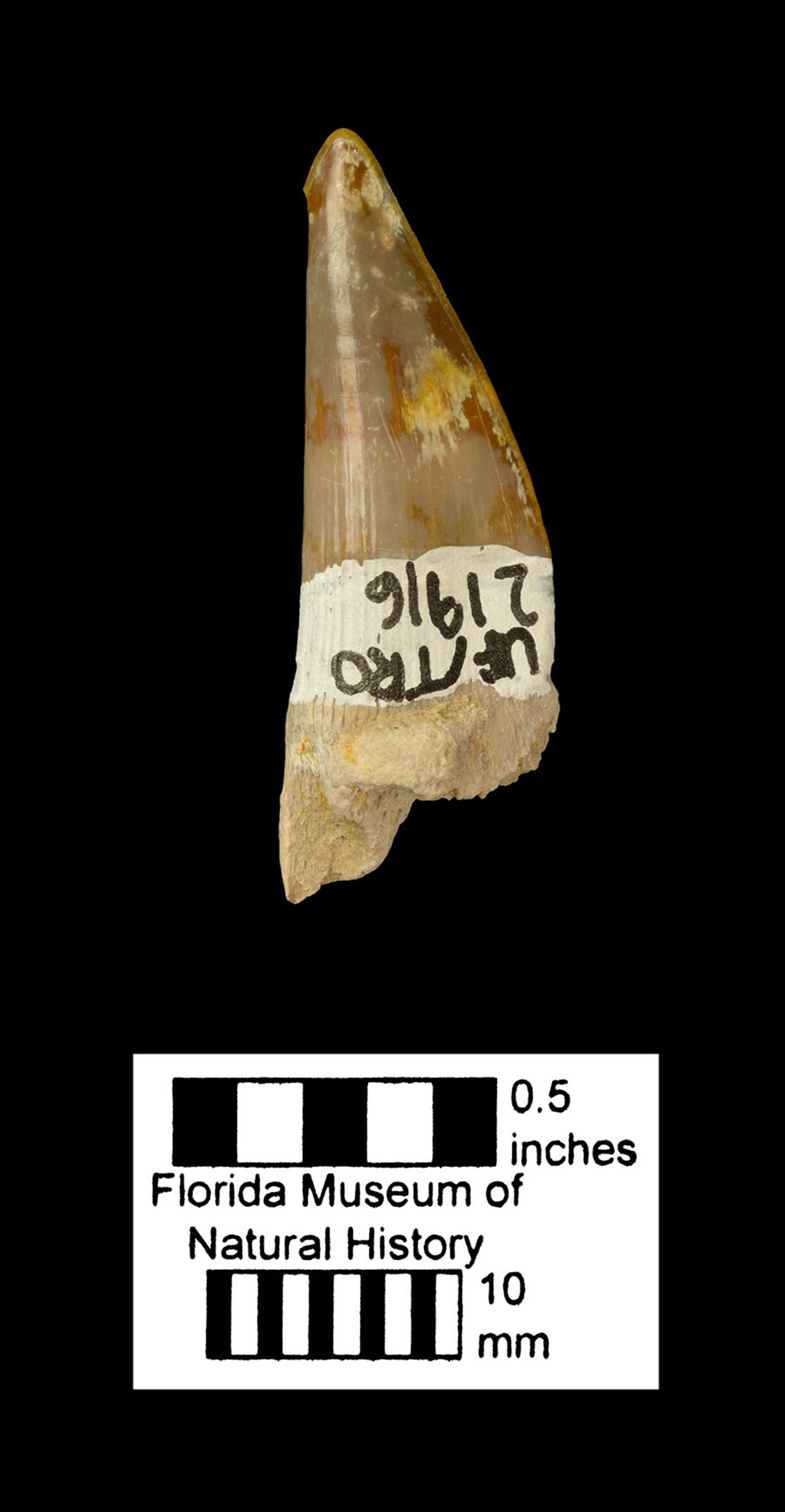
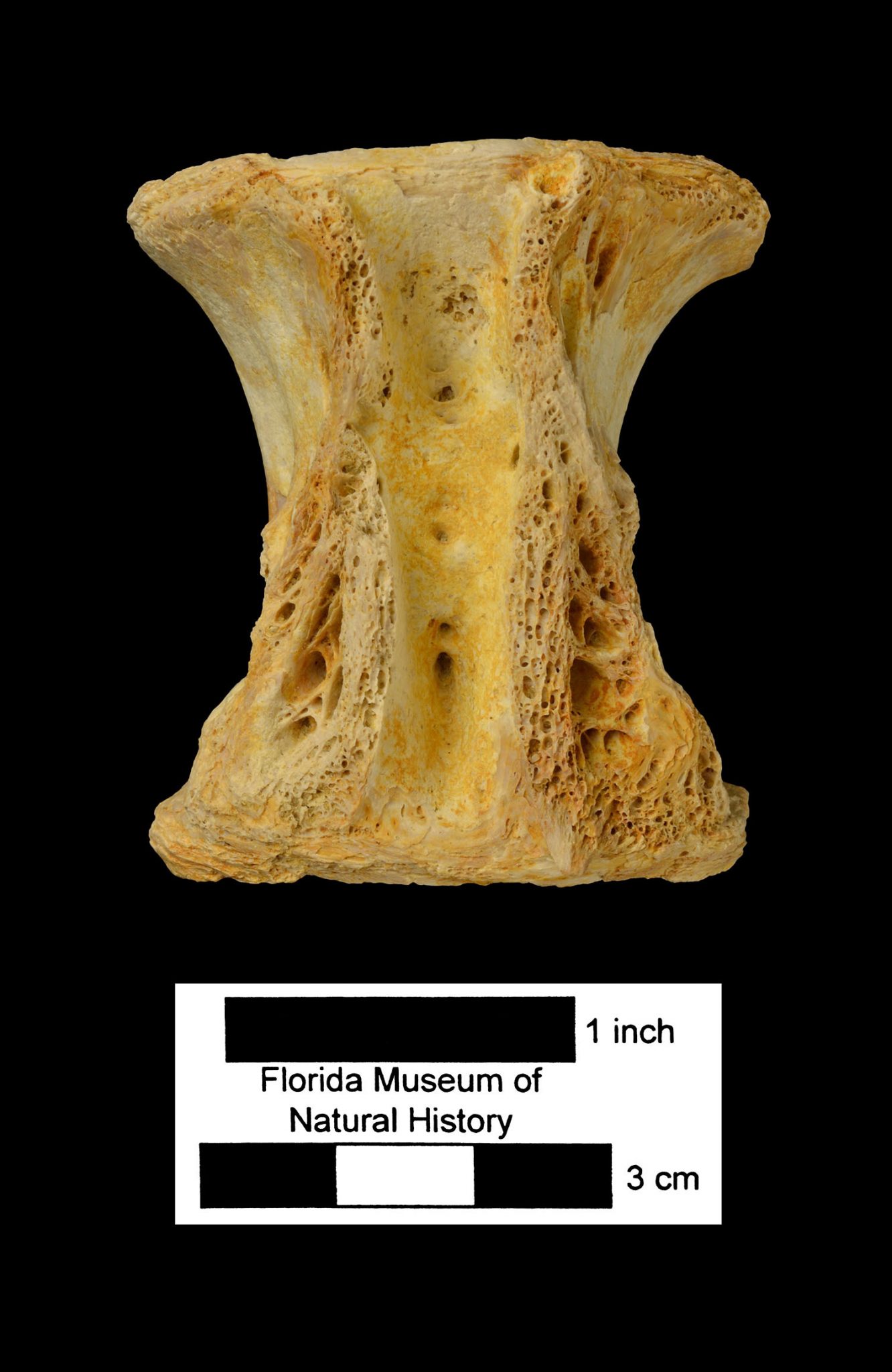
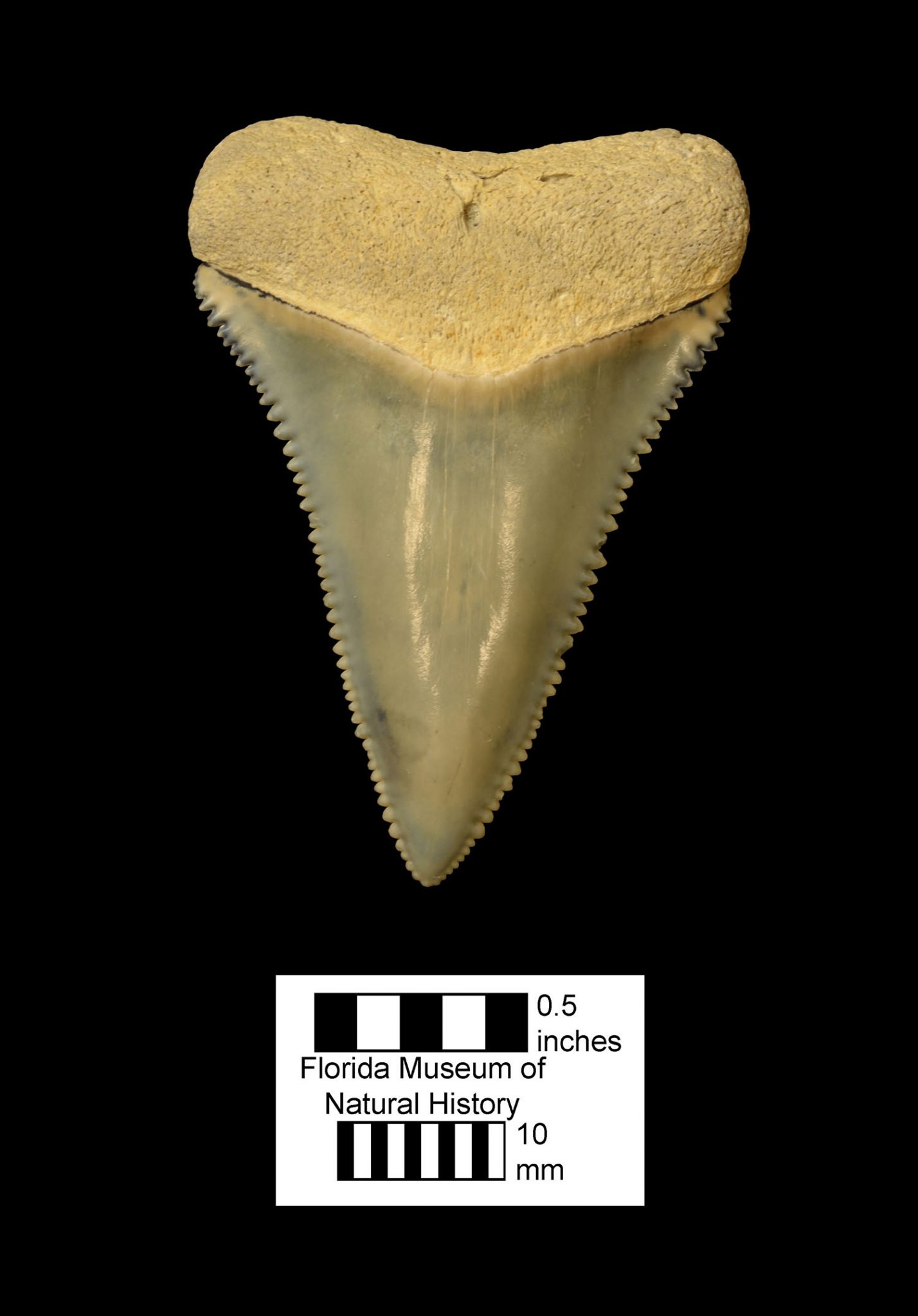
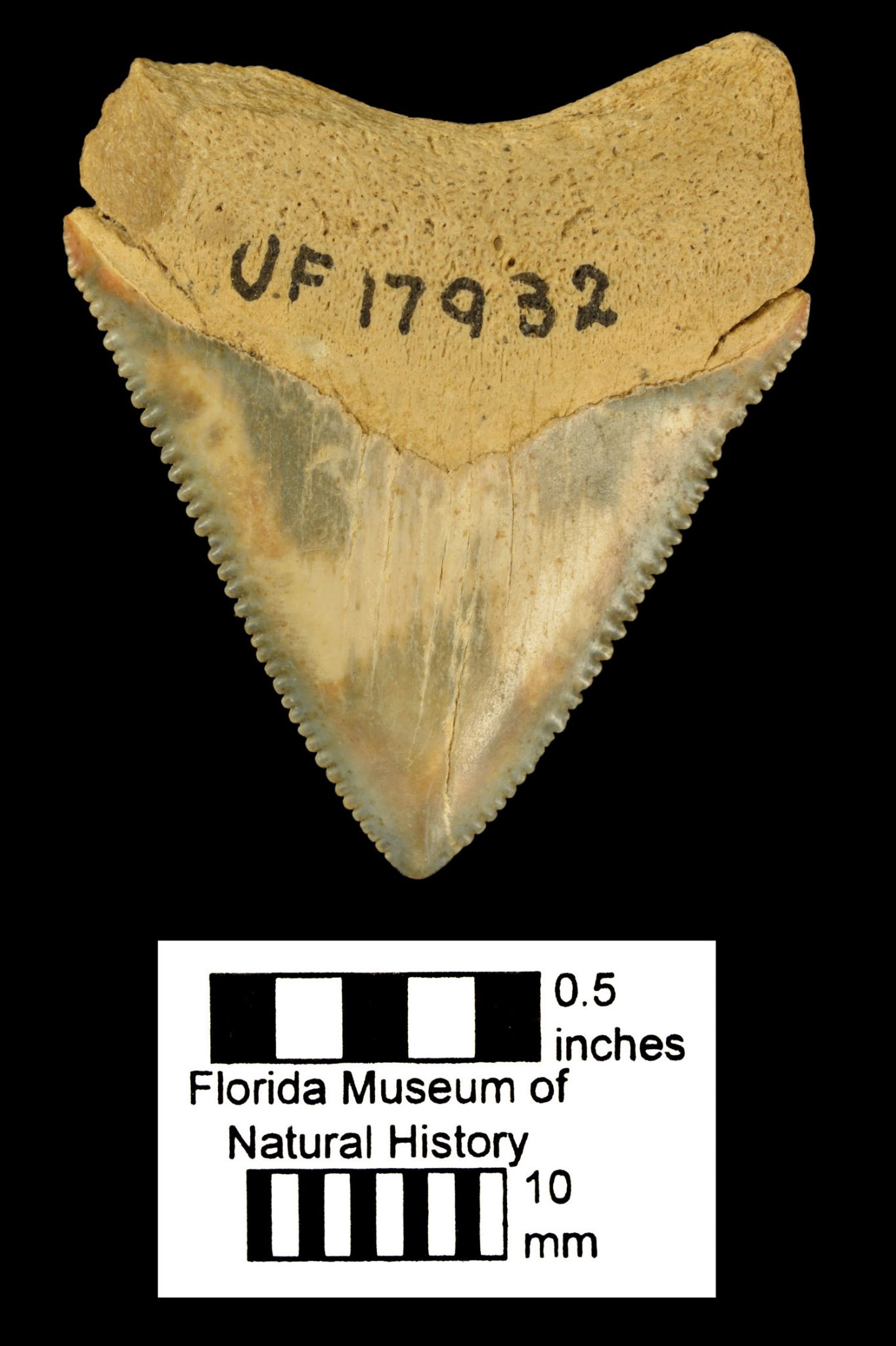
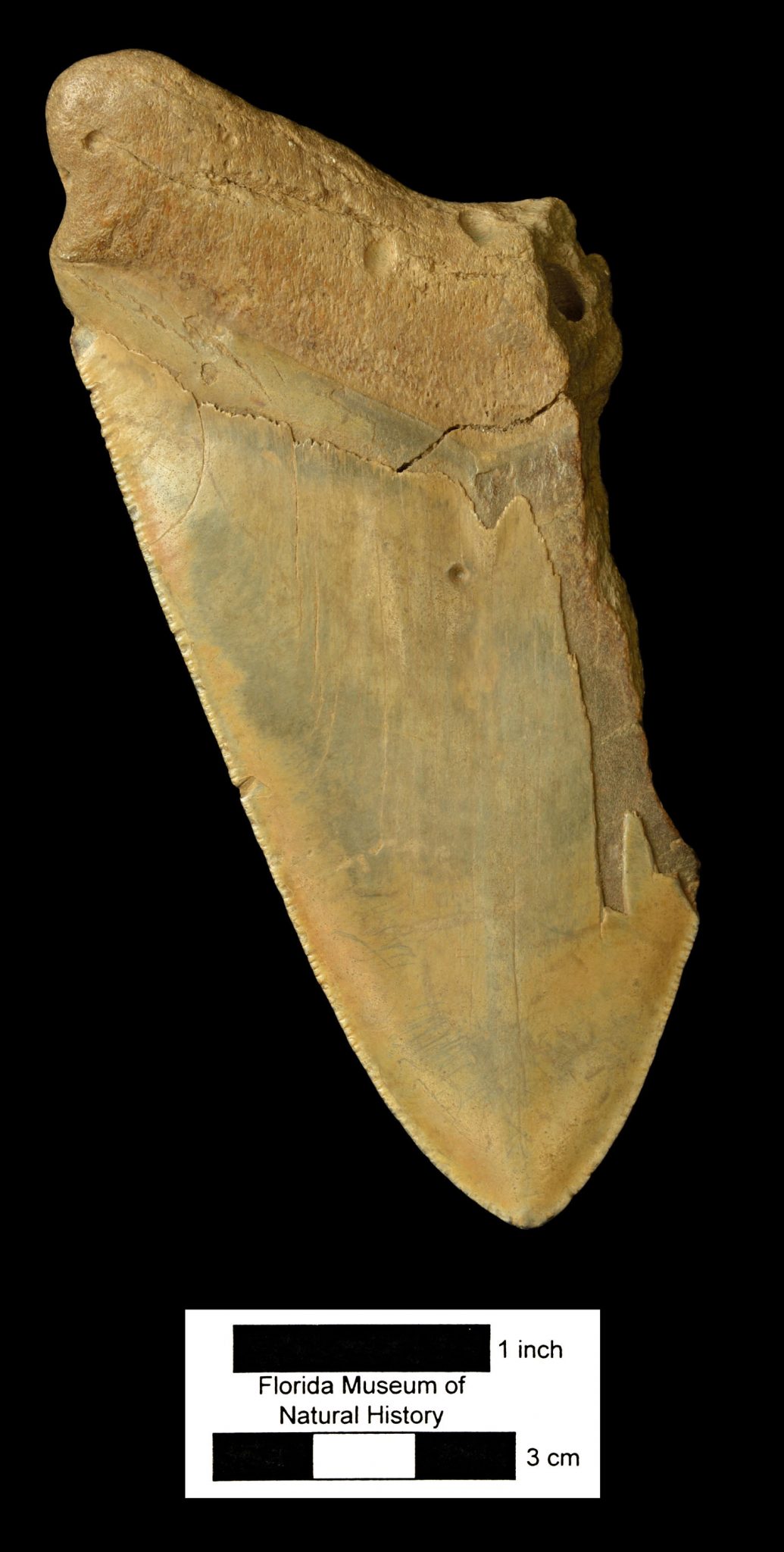
Many sharks and rays of the Pleistocene appear in the fossil record as teeth because their skeletons are cartilage which doesn’t fossilize well, but there are many tiny fossils of bony fish like barracuda, snapper and porcupine fish. Larger animals like seals, dolphins, and sea turtles inhabited these warm waters as well. Florida’s iconic manatee is a subspecies of the West Indian manatee (Trichechus manatus), which can still be found living in the coastal areas of the Caribbean.
Explore more fossils
Note: Because our scientific knowledge is always expanding, some information like species names may have changed since the Florida Fossils exhibit was opened in 2004. The information on this page has been updated and may differ from the exhibit panel.