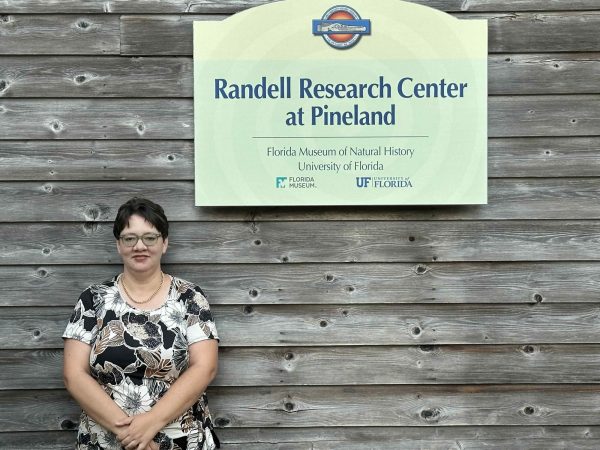
Florida Museum of Natural History welcomes new operations manager for the Randell Research Center on Pine Island, FL
The Florida Museum of Natural History has a new operations manager for its southwest Florida cultural heritage and biodiversity conservation…
Read More
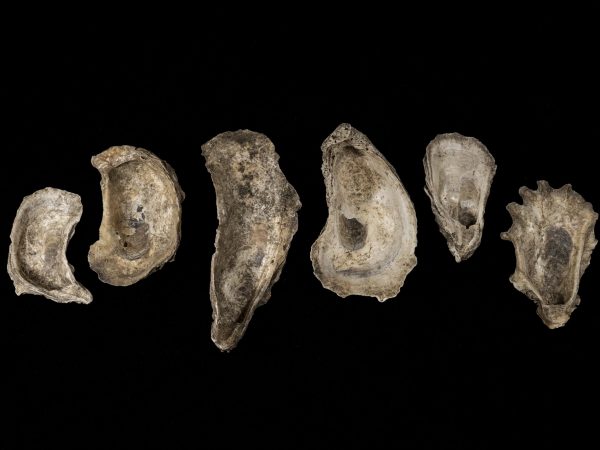
When only the strong shells survive: Archaeology’s fresh approach to turn oyster shells into tools of conservation
Key Points As global oyster populations decline and fisheries collapse, archaeologists may be able to inform effective management with valuable,…
Read More
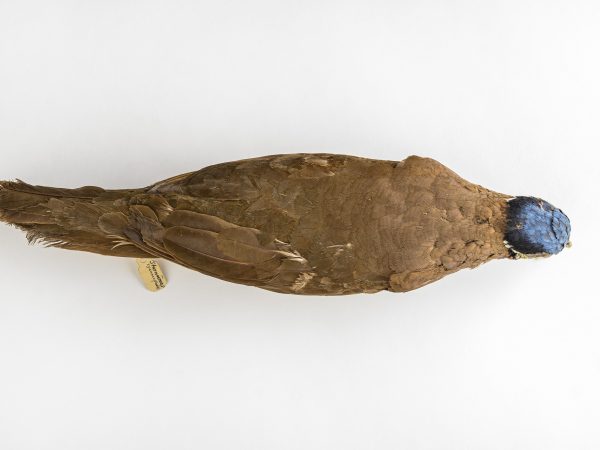
Unique dove species is the dodo of the Caribbean and in similar danger of dying out
On first inspection, the Cuban blue-headed quail dove doesn’t look like much: drab brown feathers, a slender beak, a pronounced…
Read More

Randell Research Center teams up with GatorCorps and Gulf Scholars to tackle climate change on Pine Island, Florida
The Florida Museum’s Randell Research Center was hit by two major hurricanes this year. Helene rolled along the Gulf Coast…
Read More
Michelle LeFebvre assumes new role as director of Randell Research Center
The Florida Museum’s Randell Research Center has a new director! Michelle LeFebvre, curator of South Florida archaeology and ethnography, as…
Read More
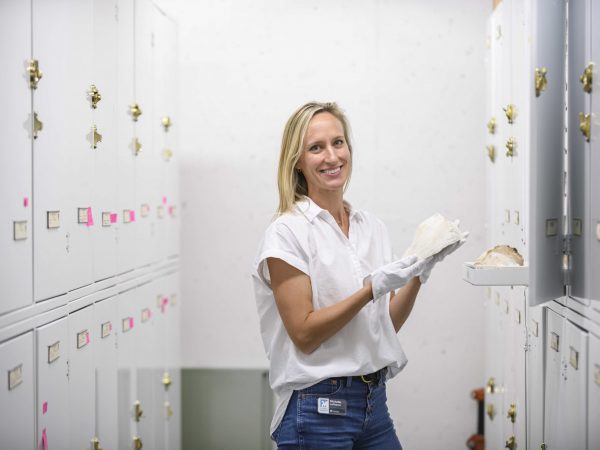
Michelle LeFebvre receives 2024 UF excellence award for assistant professors
The Florida Museum of Natural History’s Michelle LeFebvre is a recipient of this year’s University of Florida excellence awards for…
Read More
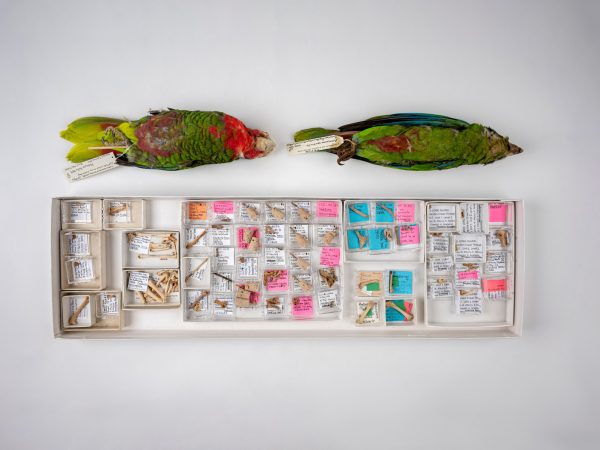
Caribbean parrots thought to be endemic are actually relicts of millennial-scale extinction
In a new study published in PNAS, researchers have extracted the first ancient DNA from Caribbean parrots, which they compared…
Read More
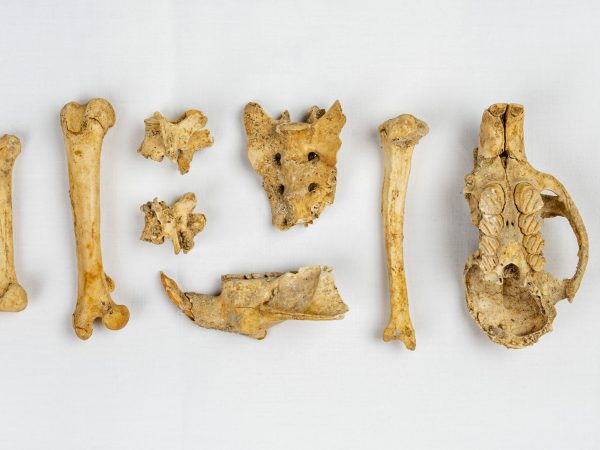
Rodent extinctions in Hispaniola may have been caused by humans
The island of Hispaniola once had among the highest rodent diversity in the Caribbean, supporting 11 species that coexisted for…
Read More
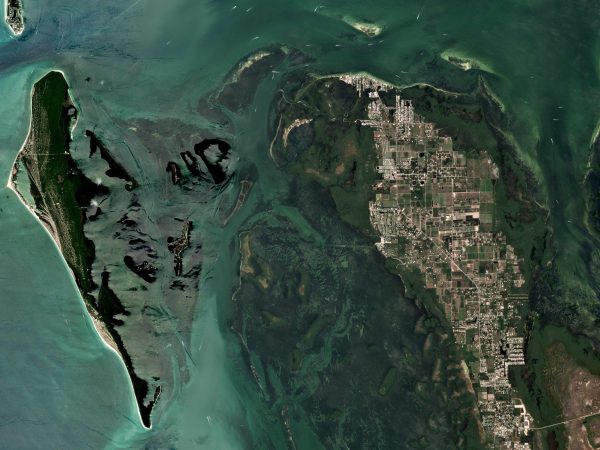
Archaeologists awarded NSF grant to survey Florida cultural heritage sites damaged by Hurricane Ian
The National Science Foundation has awarded emergency funding to archaeologists at three institutions to survey cultural heritage sites damaged by…
Read More
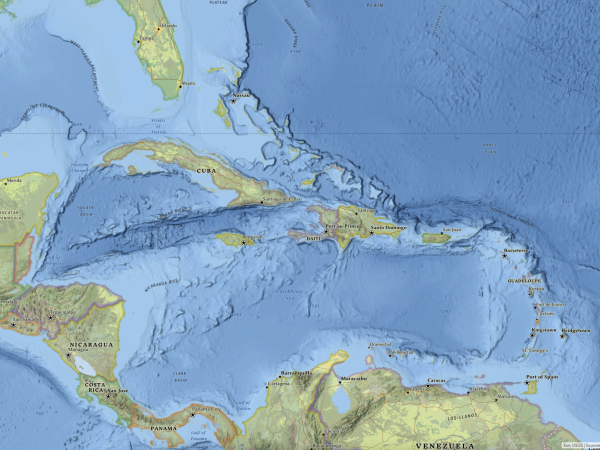
The persistent effects of colonialism in Caribbean science
Prior to the first world war, sprawling European empires collectively controlled roughly 80% of Earth’s landmass. Following WWII, that percentage…
Read More