
Three Florida Museum postdocs receive UF awards
Three postdoctoral associates at the Florida Museum of Natural History have received awards from the University of Florida highlighting their…
Read More
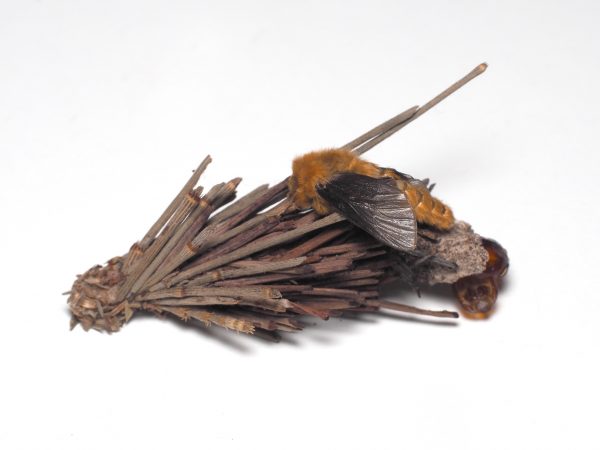
Funding awarded for research on bagworms, bubonic plague, ancient mammals and a repository of changing seasons
Researchers at the Florida Museum of Natural History and collaborating institutions have been collectively awarded $2,837,441 in funding from the…
Read More
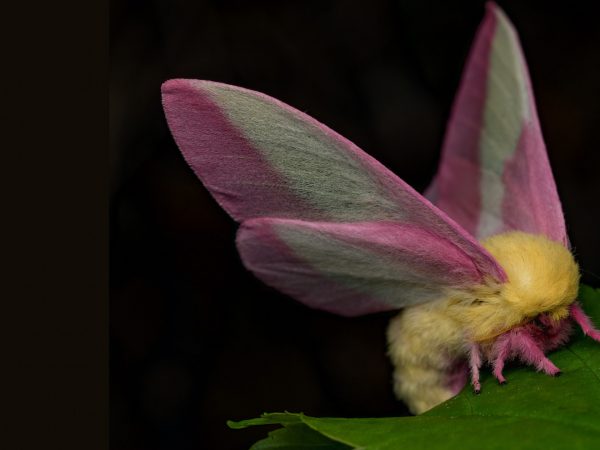
Moths may use disco gene to regulate day/night cycles
How does one species become two? If you’re a biologist, that’s a loaded question. The consensus is that, in most…
Read More
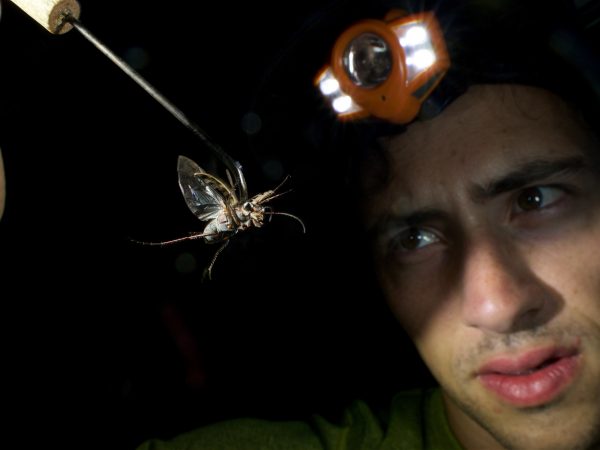
Tiger beetles fight off bat attacks with ultrasonic mimicry
Bats, as the main predator of night-flying insects, create a selective pressure that has led many of their prey to…
Read More
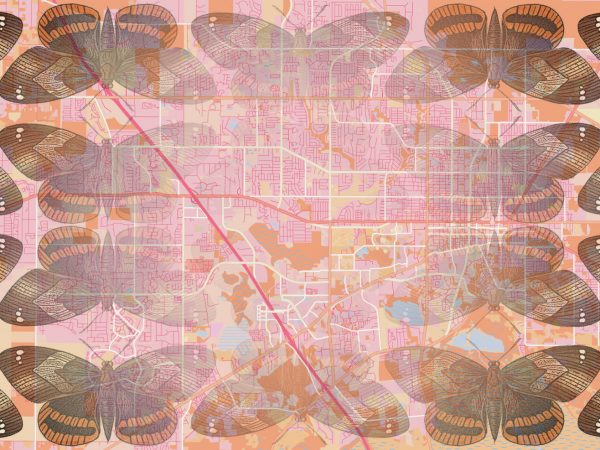
Moths big and small are vanishing from southern U.S. cities
Insects of all stripes are in the midst of a vanishing act, a catastrophic sleight-of-hand occurring so rapidly that scientists…
Read More

Akito Kawahara named director of McGuire Center for Lepidoptera and Biodiversity
The Florida Museum of Natural History has named Akito Kawahara as the new director of the McGuire Center for Lepidoptera…
Read More
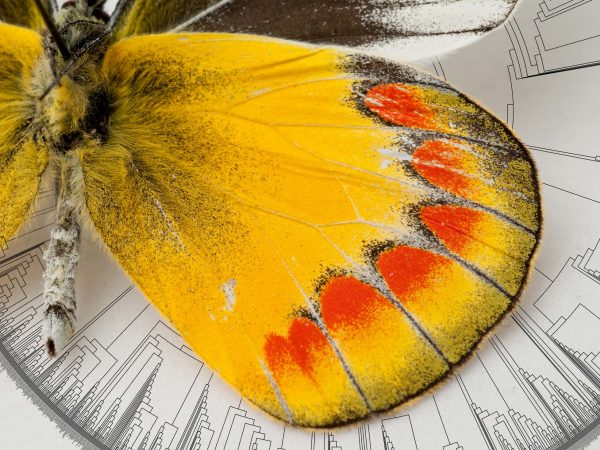
Butterfly tree of life reveals an origin in North America
About 100 million years ago, a group of trendsetting moths started flying during the day rather than at night, taking…
Read More
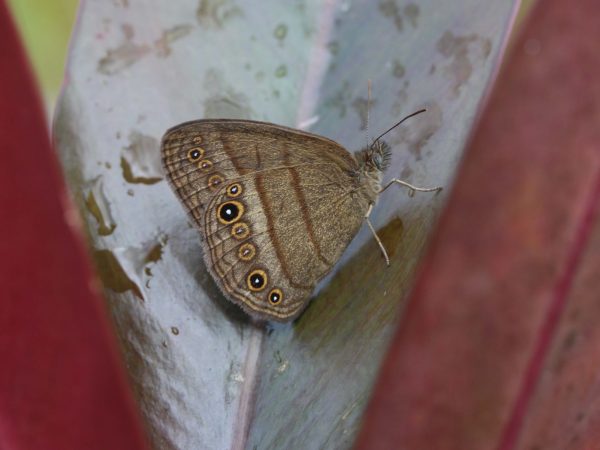
Family tree of ‘boring’ butterflies shows they’re anything but
Walk a short distance through the Amazon Rainforest, and you might witness what look like dead leaves launch from the…
Read More
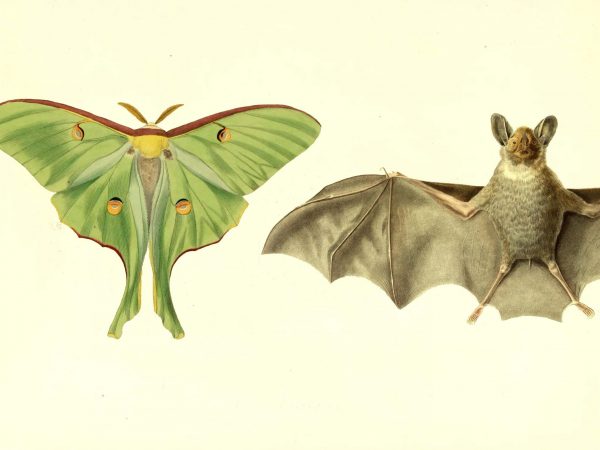
What is it good for? Absolutely one thing. Luna moths use their tails solely for bat evasion
In a pair of complementary studies, researchers take a close look at Luna moth (Actias luna) tails through the eyes…
Read More
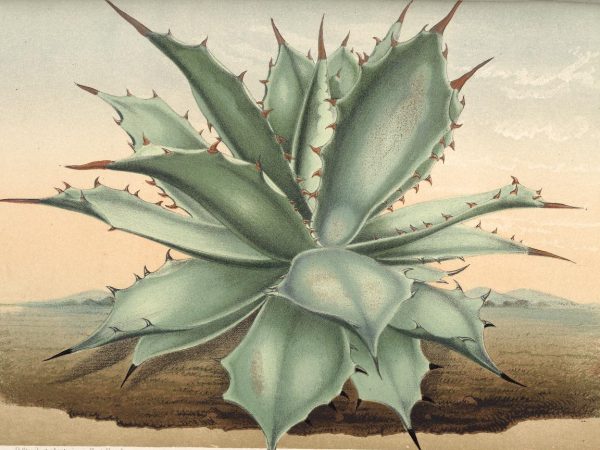
Scientists uncover the unexpected identity of mezcal worms
Mezcal is a distilled alcohol made from the boiled and fermented sap of agave plants. Most mezcal beverages — including…
Read More