  • Visit
  • Learn
  • Collections + Research
  • News + Blogs
  • About + Support

Florida Museum

  • Search
  • Visit
  • Learn
  • Collections + Research
  • News + Blogs
  • About + Support
  • For Educators
  • Discover
    • Outreach
    • Learning Resources
    • Life on Earth
    • Cultural Heritage
    • Fossils + Paleontology
    • The Value of Museums

FOSSIL Project Archive

Fieldwork and Research

  • FOSSIL Project Resources
    • FOSSIL Project Newsletters and Blogs
    • myFOSSIL eMuseum
      • 3D Gallery
      • Fossil Specimens
    • Lesson Plans
      • Chewing on Change (Horse Evolution)
      • Fossils in the Making
      • The Shark AI Project
    • FOSSIL Publications and Presentations
      • Professional publications
      • Conference presentations
      • Amateur/Avocational research
    • More Resources
    • Contact Us
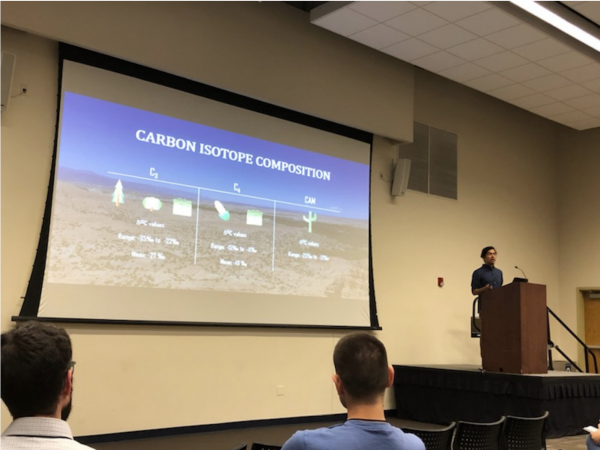
Isaac explaining the different photosynthetic pathways that plants use during cellular respiration and the factors that influence this process during his research presentation.

UF graduate student presents final research results at NAPC

Sep 1, 2019

My experience at NAPC 2019 was extremely positive and enriching. As a native southern Californian, I was looking forward to … Continue
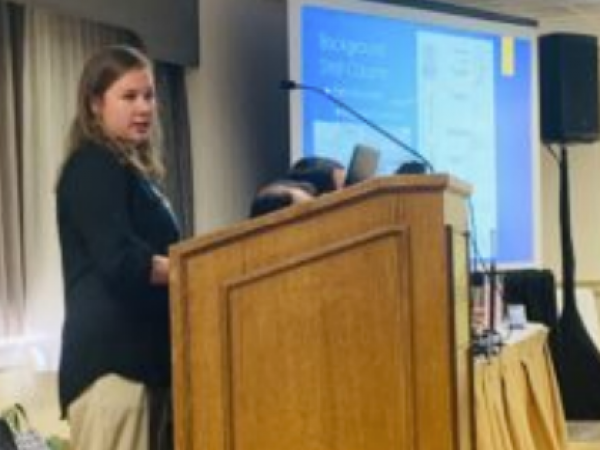
Fauve Wilson presenting on the shark and ray fauna found during the FOSSIL Belgrade 2018 trip.

2019 Southeastern Geological Society of America Overview

Jun 1, 2019

SE GSA 2019 The 68th annual meeting of the Southeastern Section of the Geological Society of America (SE GSA) was … Continue
Posing at Great Sand Dunes National Park

Field Camp: Reflections of a Geology Student

Jun 1, 2019

So… what is Field Camp? This summer, I went to field camp. Field camp is often considered a tradition, or … Continue
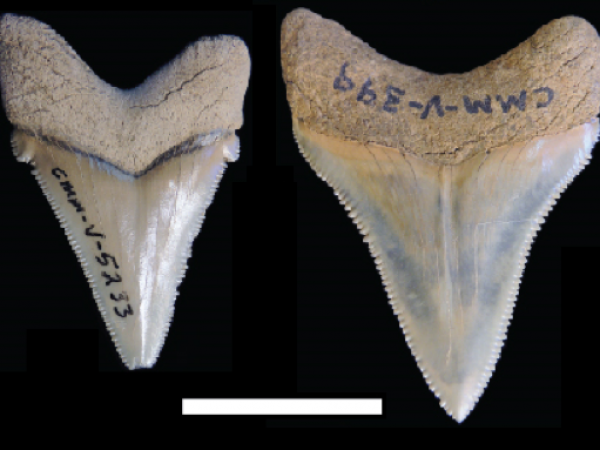
Figure 1. Carcharocles chubutensis with lateral cusplets (left) and Carcharocles megalodon without lateral cusplets (right). Scale bar represents 2 cm

Research: Megalodon Evolution along the Calvert Cliffs of Maryland

Mar 1, 2019

At the early age of 6, I visited the Calvert Marine Museum in Solomons, Maryland and received my first shark … Continue
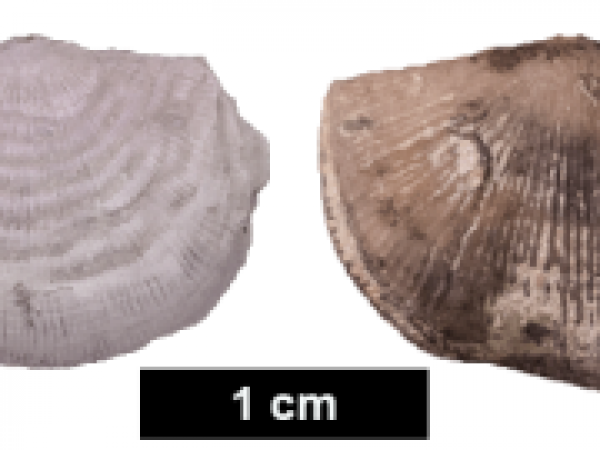
Figure 3: Brachiopods from the classic Richmondian Invasion fauna. The two new species are in the same genera as these two: Leptaena (left) and Holtedahlina (right). Images from Ordovician Atlas

Research: Ecosystem impacts in the Ordovician due to species migration

Dec 1, 2018

From “Contrasting ecosystem impacts of biotic invasions in the Type Cincinnatian Series (Late Ordovician, Katian)” by Alycia L. Stigall and … Continue
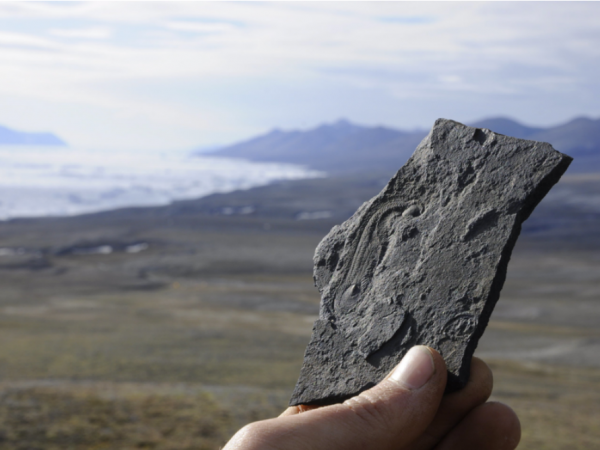
Figure 1. Halkieria evangelista from the Cambrian Sirius Passet fossil Lagerstätte of North Greenland. The anity of Halkieriids is still debated as they show similarities to mollusks, brachiopods, and annelids. Currently most paleontologists consider them to be primitive mollusks. Credit: Jakob Vinther, University of Bristol.

Research: Evolution of Metazoan Disparity

Sep 1, 2018

Editor’s Note: Brad is an Associate Professor in the Geosciences Department of the University of West Georgia. He earned his … Continue
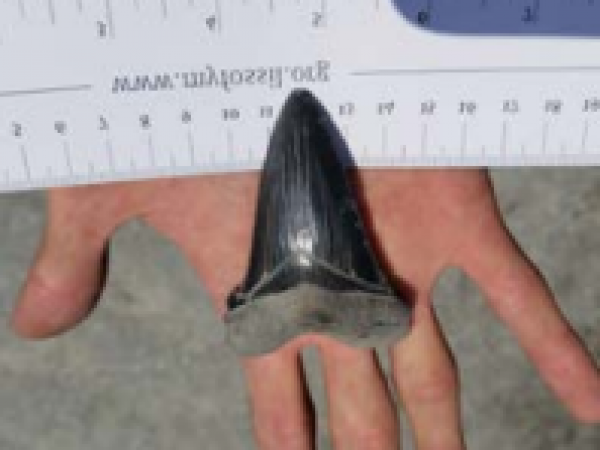
A tooth from a Megalodon ancestor found by Eric, a member of the Special Friends of the Aurora Fossil Museum

Citizen Science at Belgrade

Jul 1, 2018

I don’t often complete surveys, but when completion means the chance to participate in a citizen science dig with The … Continue
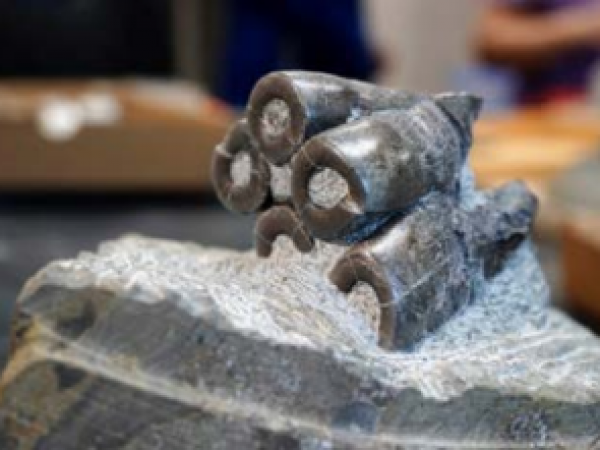
One Desmostylus tooth. Molar cusps featured; roots in back.

Research: Calaveras Dam Construction: Salvage Paleontology

Jul 1, 2018

California, in addition to being a geologists’ paradise, has strong environmental laws that protect fossils found during construction on state-owned … Continue

myFOSSIL logo, an orange graphic design image of a shell

Research: What makes a social media message engaging to community members?

Mar 1, 2018

As members of the FOSSIL project team, Dr. Kent Crippen and I have been exploring ways to effectively engage the … Continue
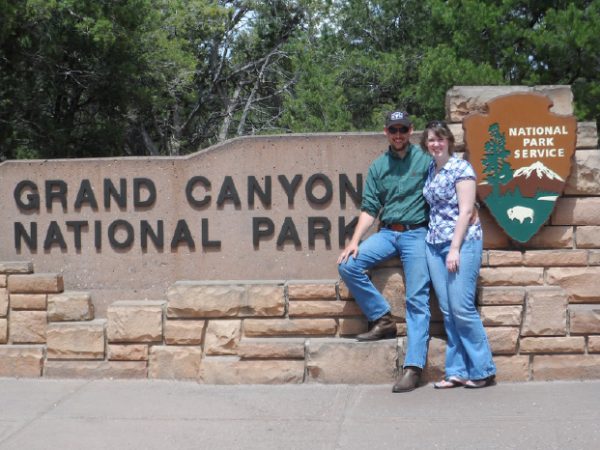
Jeff and Rachel

Late Pleistocene and Holocene Bison of the Colorado Plateau: Are Bison Native to the Greater Grand Canyon Area?

Mar 1, 2018

Few animals in North America possess the cultural, spiritual, ecological, economic, political, and natural history attributes of the North American … Continue

Posts navigation

Older posts

Contact Info

Florida Museum of Natural History
Gainesville, FL 32611
352-392-1721 (Research) or
352-846-2000 (Exhibits)

Florida Museum Newsletters

Subscribe Now

Museum Info

Exhibits Building Closed for Renovations

  • Learn More
  • Staff Directory

Legal

  • © Copyright 2025
  • Contact the Web Manager
  • This page uses Google Analytics
  • Google Privacy Policy
  • UF Privacy Policy
  • Social Media
  • Log In
Florida Museum of Natural History logo University of Florida logo