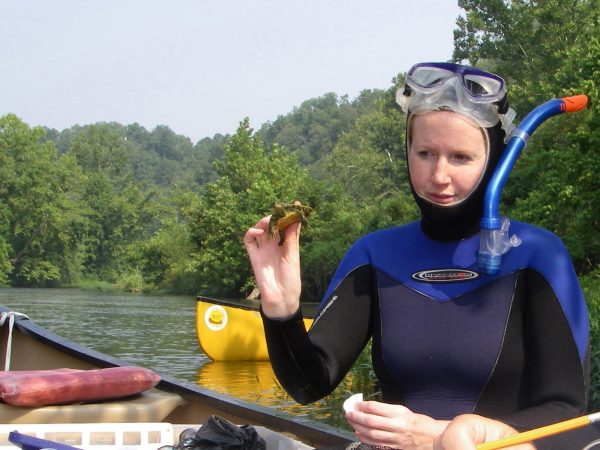
River turtle species still suffers from past harvesting
When it comes to conservation efforts, the biggest, cutest and most recognizable animals are often the first to gain public…
Read More
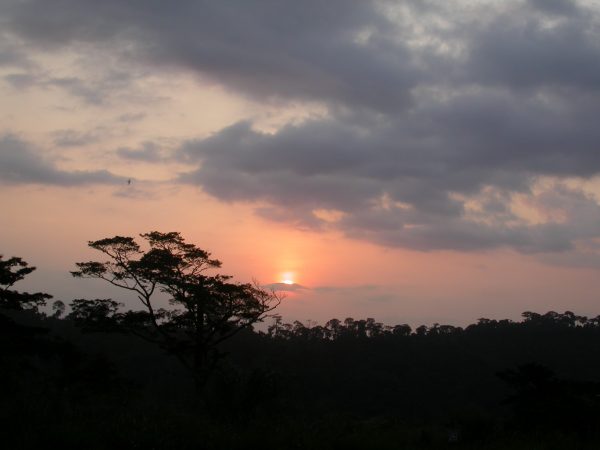
Least-studied areas of Africa reveal 41 new species of moths
In the rain forests of the Congo, where mammals and birds are hunted to near-extinction, an impenetrable sound of buzzing…
Read More
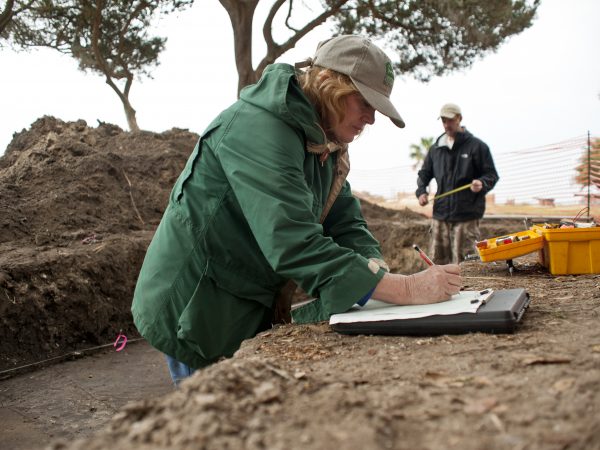
Unearthing St. Augustine: America’s oldest city
Ask many Americans what they know about early colonial America, and Disney’s “Pocahontas” will probably enter the conversation. Although the…
Read More
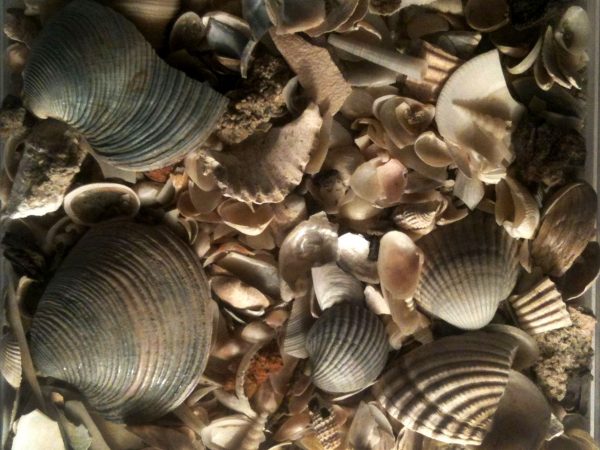
New test adds to scientists’ understanding of Earth’s history, resources
A new study co-authored by a Florida Museum researcher provides the first direct chronological test of sequence stratigraphy, a powerful…
Read More
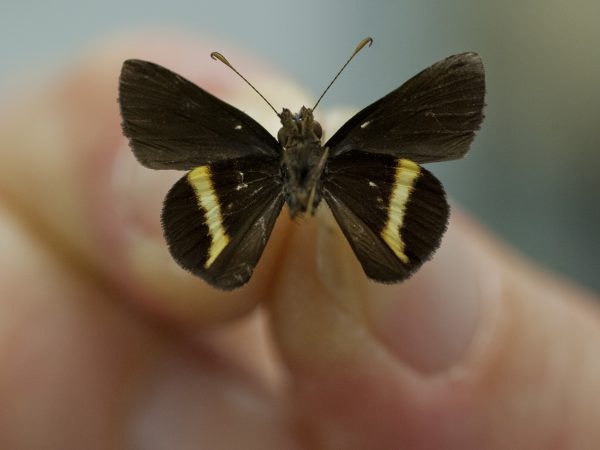
New Jamaica butterfly species emphasizes need for biodiversity research
University of Florida scientists have co-authored a study describing a new Lepidoptera species found in Jamaica’s last remaining wilderness. Belonging…
Read More
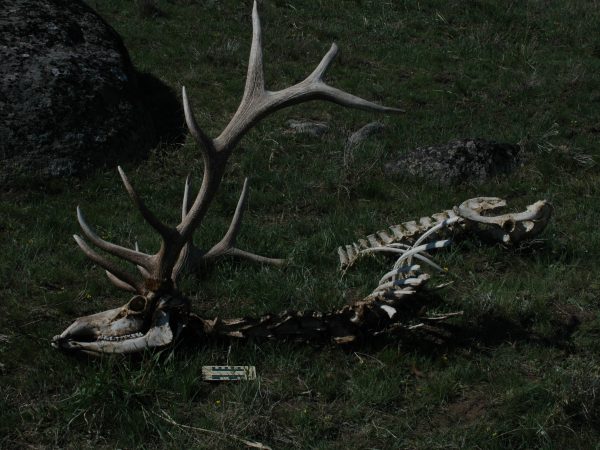
New study tests powerful new tool to advance ecology, conservation
A new study shows ecologists may have been missing crucial information from animal bones for more than 150 years. The study…
Read More
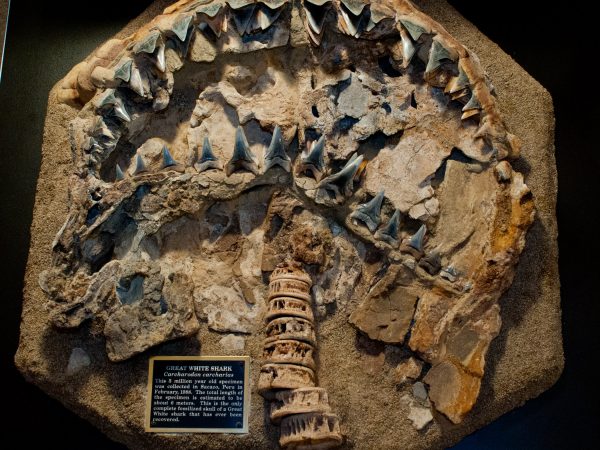
New ancient shark species gives insight into origin of great white
The great white shark is one of the largest living predatory animals and a magnet for media sensationalism, yet its…
Read More

Publishing ichthyologist’s life’s work on cusk-eels
For Florida Museum of Natural History collection manager Rob Robins, biodiversity is something of a family theme. With his father…
Read More
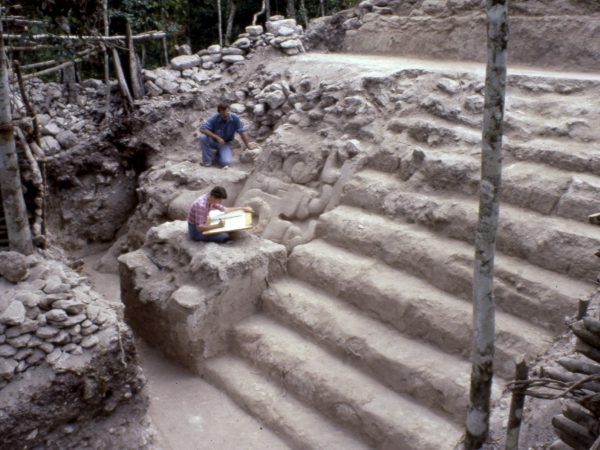
Earliest use of Mexican turkeys by ancient Maya
As a University of Florida graduate student, one of Erin Thornton’s first assignments was to identify turkey bones from an…
Read More
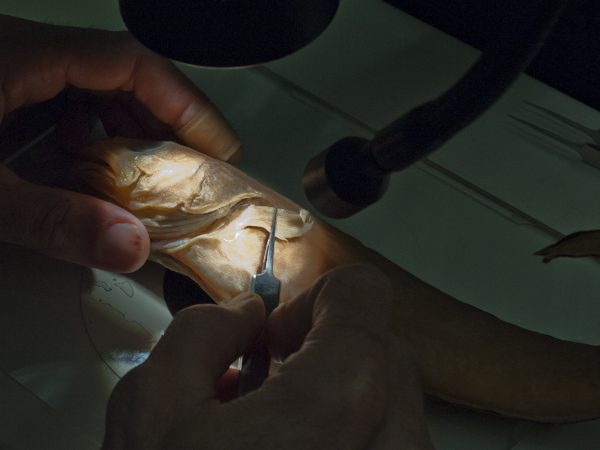
Researchers name new cusk-eels useful for understanding environment
A study by University of Florida and University of Kansas researchers describing eight new cusk-eel species provides data for better…
Read More