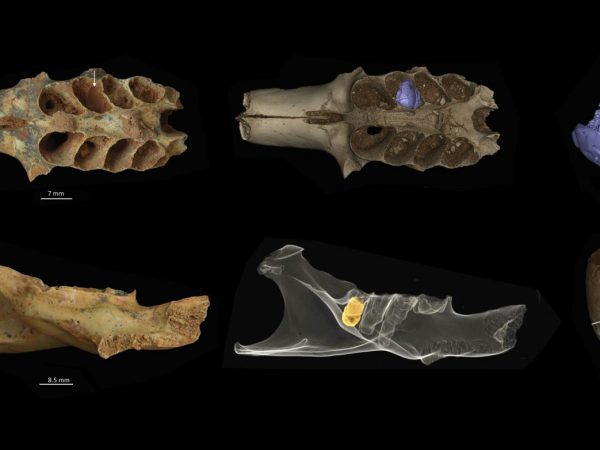
Paleontologists find first bee nest fossils made inside fossilized bones
Key points Paleontologists working in a cave on the Caribbean island of Hispaniola have discovered the first known instance of…
Read More
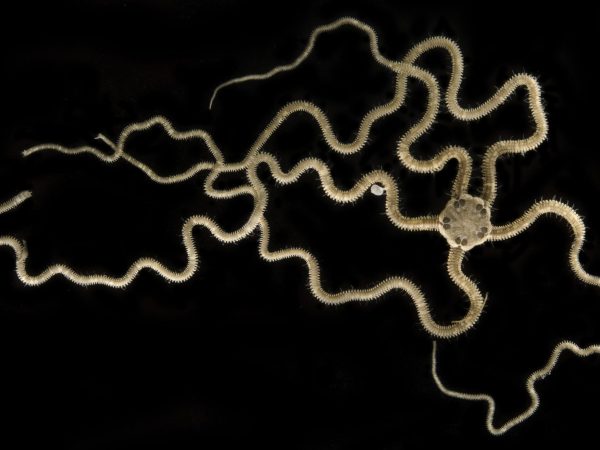
No eyes, no brain, no problem: Brittle stars have traveled the world over, and scientists have figured out how
A ncient, gangly cousins of sea stars, brittle stars crawl the seafloor on five flexible arms, which in some cases…
Read More
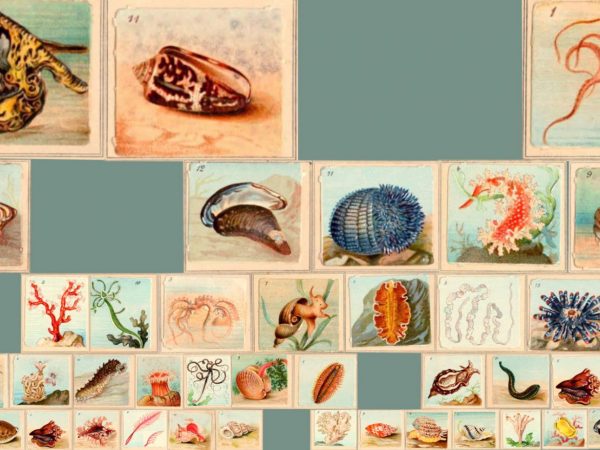
Paleontologists go back to the future, reconstruct fossilized functional diversity to inform conservation goals
Key points Scientists have demonstrated for the first time that functional diversity can be accurately inferred from the marine fossil…
Read More
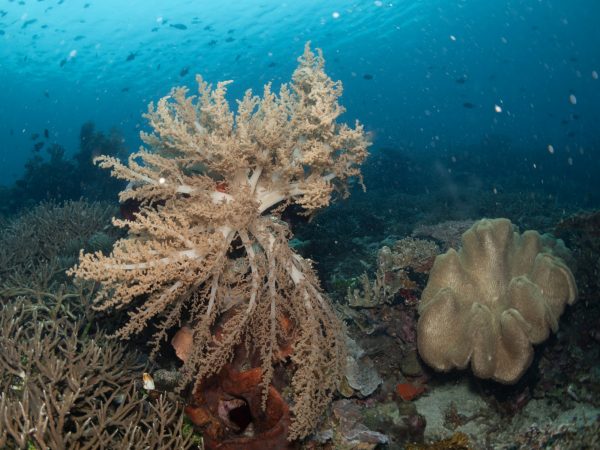
World’s soft coral diversity retains signature of an ancient, vanished sea
It is of vital importance to, on occasion, consider how little we know about the spinning rock we all live…
Read More
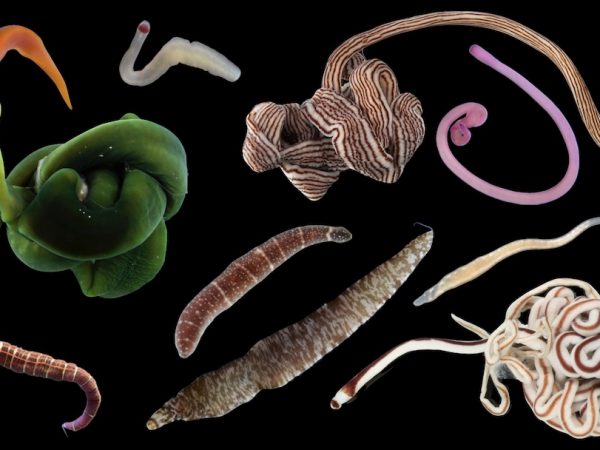
100 new ribbon worm species and counting
Most are smaller than a toothpick, though some can grow longer than a blue whale. Some of them come in…
Read More
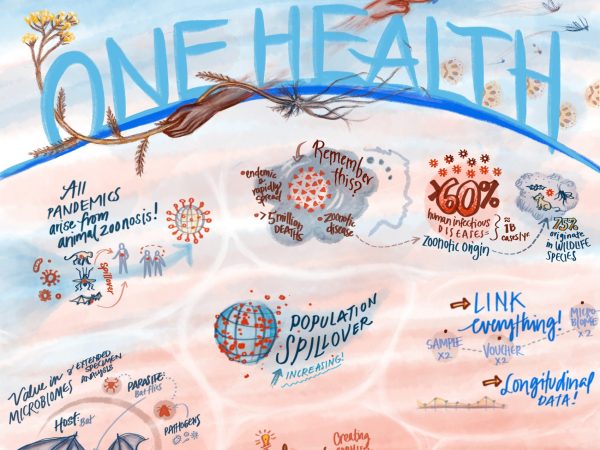
Paper addresses natural history collections’ role in pandemic preparedness
Natural history collections contain information needed to prevent, prepare for, and respond to disease outbreaks that could turn into a…
Read More
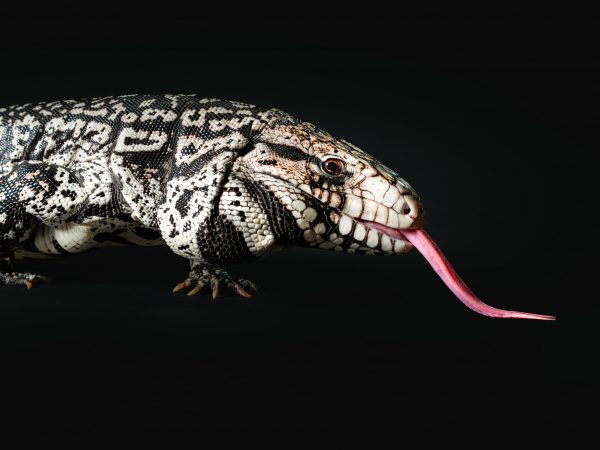
From prehistoric resident to runaway pet: First tegu fossil found in the U.S.
Originally from South America, the charismatic tegu made its way to the United States via the pet trade of the…
Read More
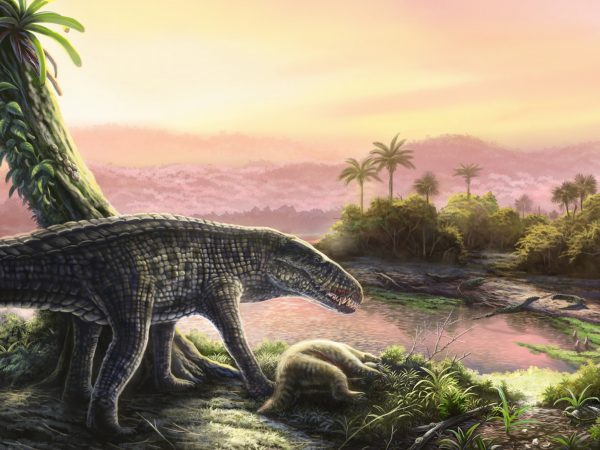
Giant croclike carnivore fossils found in the Caribbean
Imagine a crocodile built like a greyhound — that’s a sebecid. Standing tall, with some species reaching 20 feet in…
Read More
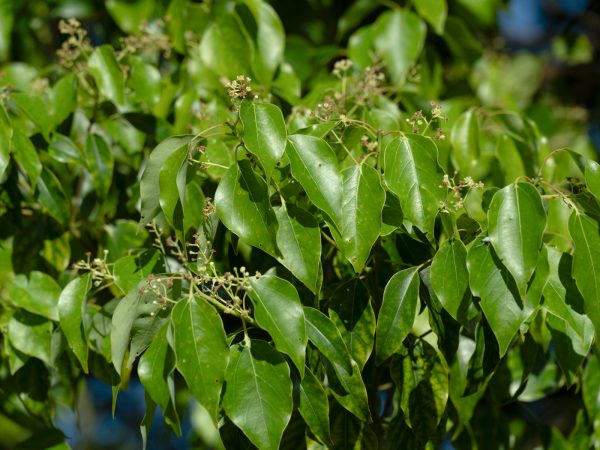
Introduced trees are becoming more common in the eastern United States, while native diversity declines
In the largest study of its kind, researchers at the Florida Museum of Natural History have used data from a…
Read More
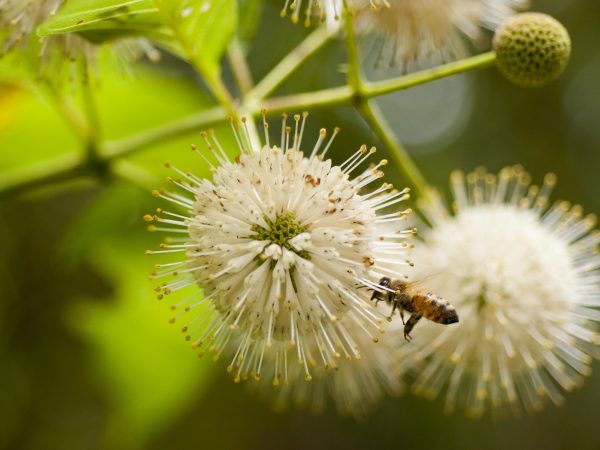
Over one-fifth of native North American pollinators at elevated risk of extinction
A pivotal new study led by NatureServe reveals that more than 22% of native pollinators in North America are at…
Read More