
It took 3.7 billion years for this genome to evolve. UF students assembled it in one semester
Key points Eleven undergraduate students at the University of Florida are the first to assemble the pignut hickory tree genome….
Read More
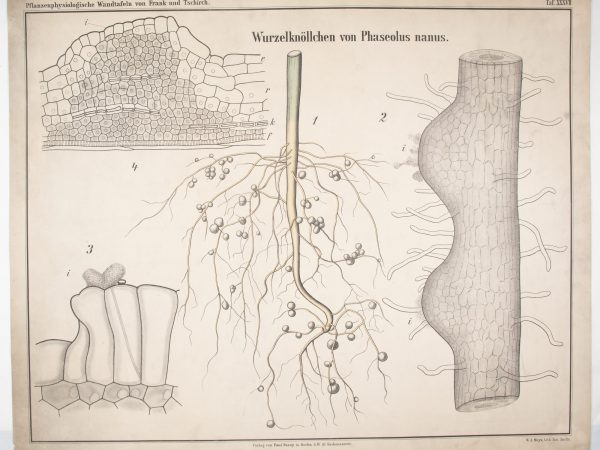
Some plants can make their own fertilizer with this one weird trick. Scientists say they learned it more than once.
Key points Low nitrogen availability is the number one limitation to plant growth in most ecosystems. Farmers compensate by adding…
Read More
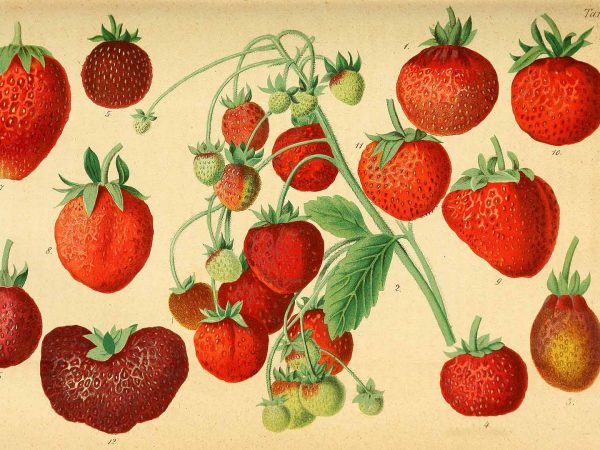
UF study traces complex history of the strawberry
If you eat fruits or vegetables, how often do you think about their history? Former University of Florida post-doctoral researcher…
Read More
A plant you’ve never heard of can do what scientists once thought impossible
About 3.7 billion years ago, a string of naturally occurring molecules — the same kind that astronomers have found in…
Read More
Introduced trees are becoming more common in the eastern United States, while native diversity declines
In the largest study of its kind, researchers at the Florida Museum of Natural History have used data from a…
Read More

Three Florida Museum postdocs receive UF awards
Three postdoctoral associates at the Florida Museum of Natural History have received awards from the University of Florida highlighting their…
Read More
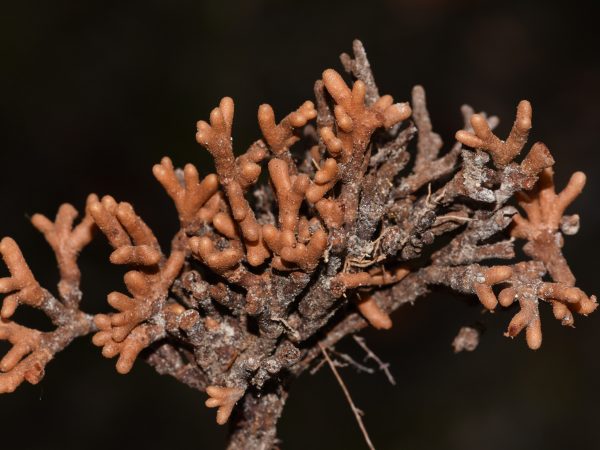
Building a roadmap to bioengineer plants that produce their own nitrogen fertilizer
Nitrogen fertilizers make it possible to feed the world’s growing population, but they are also costly, harm ecosystems and require…
Read More
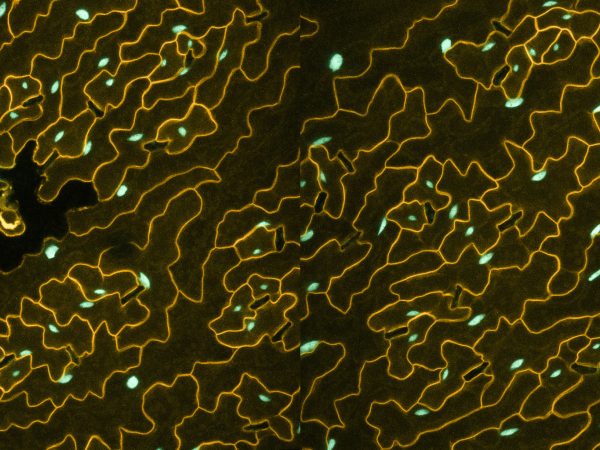
New $12.5 million National Science Foundation grant awarded to study phenomenon affecting agriculture, cancer, biodiversity and more
It’s in your heart and liver, in the vegetables you eat, in the rogue cells that cause cancer. Those who…
Read More
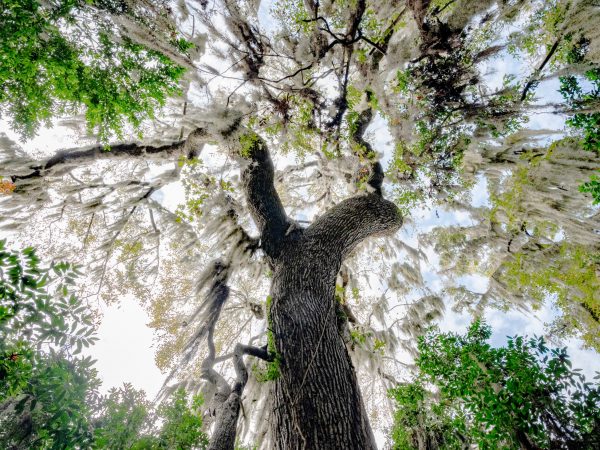
Using genomics to immortalize and protect McCarty Woods on UF Campus
McCarty Woods is a 2.9-acre conservation area at the heart of the University of Florida’s central campus. The beautiful, species-diverse…
Read More
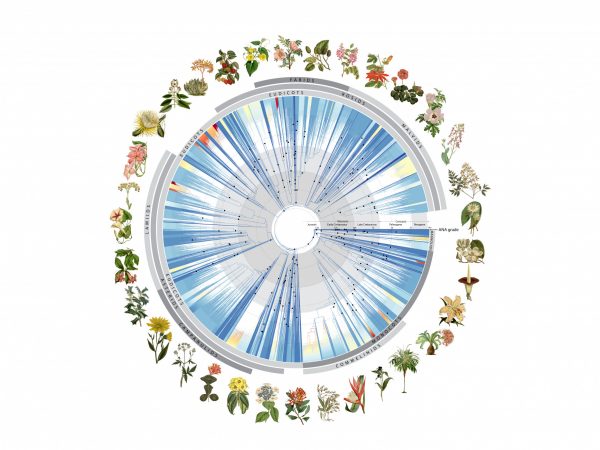
Vast DNA tree of life for plants revealed by global science team
A new paper published today in the journal Nature by an international team of 279 scientists led by the Royal…
Read More